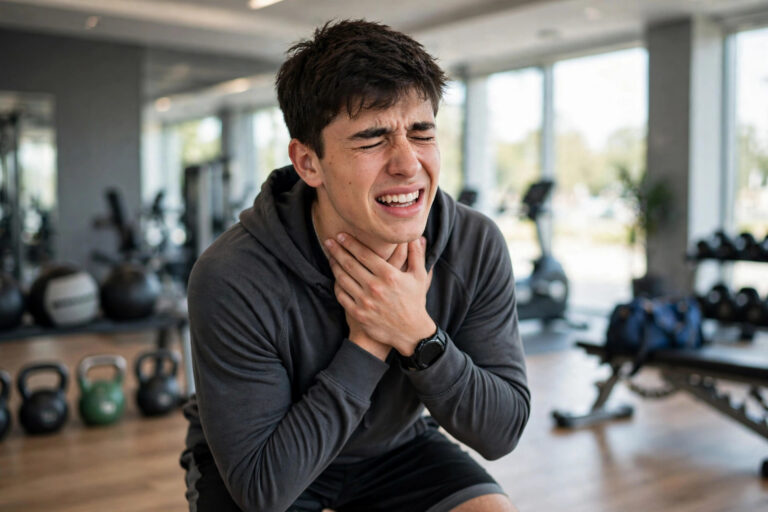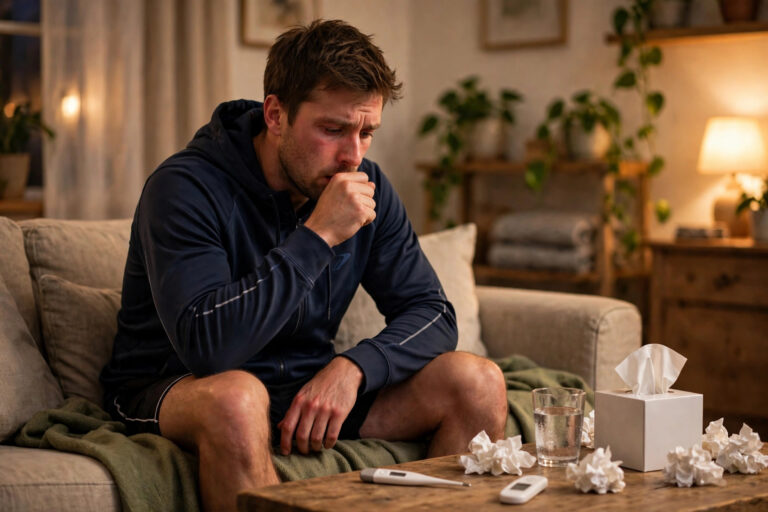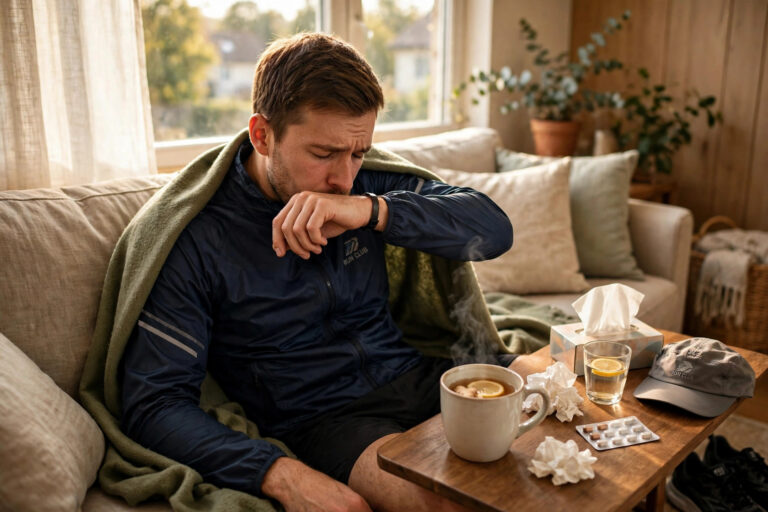
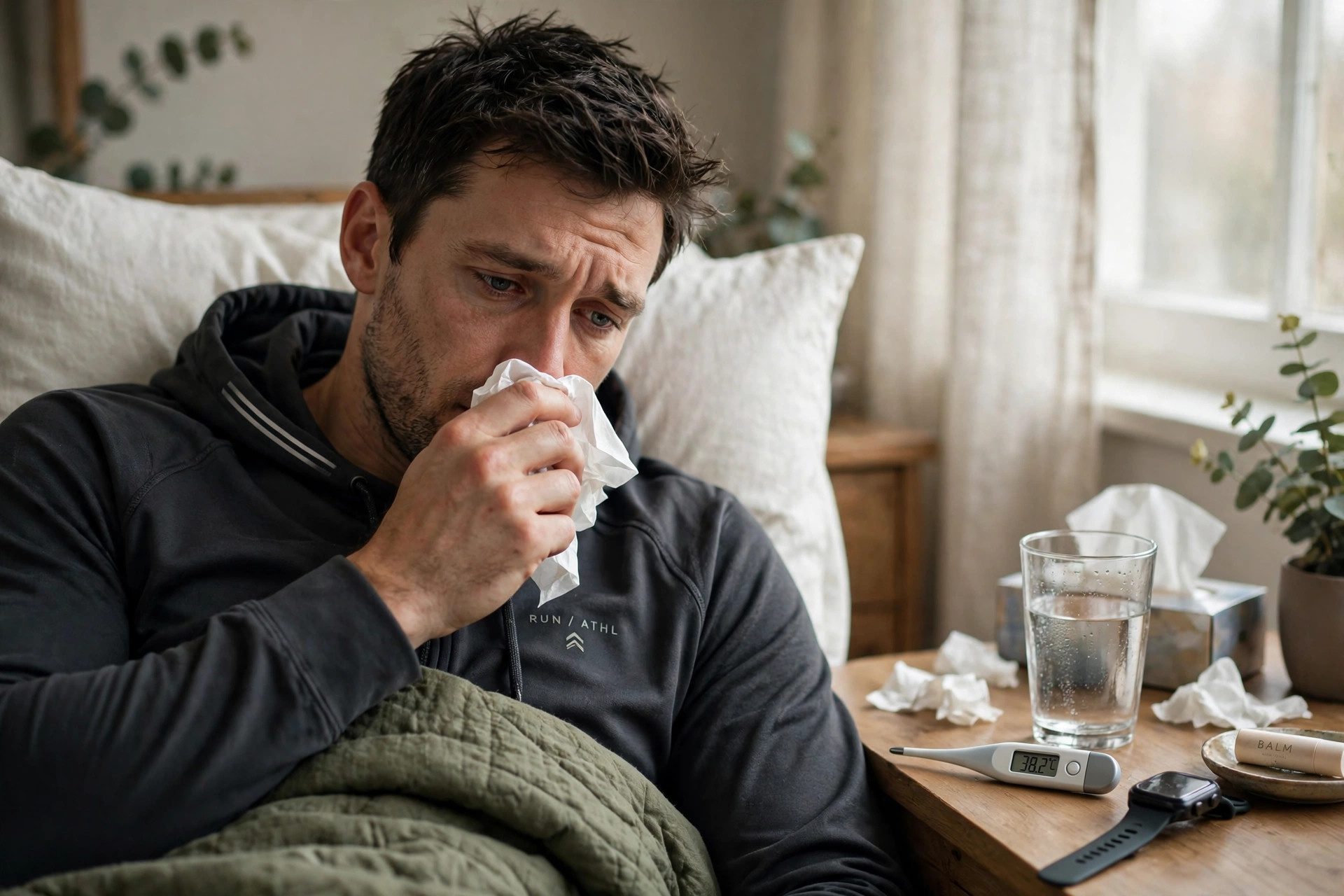

A few weeks ago, a teammate of mine showed up to our Saturday morning run sniffling, apologised, and then said something I have heard a dozen times since: It is just a cold, do not worry. By Tuesday, three of us were coughing. One of us ended up wheezing on the stairs. It was not just a cold — it was RSV, a virus most of us had barely thought about since we were kids. In hindsight, those were classic RSV symptoms in adults, even though none of us recognised them at the time.
If you have been wondering what RSV actually is, you are far from alone. What is RSV? was the third most-Googled respiratory health question in the United States heading into this virus season, drawing an estimated 95,000 searches a month. And here is the thing most active people get wrong: RSV is not only a babies illness. It hits adults too, it can knock your training sideways for weeks, and it deserves more respect than a sniffle. Learning to spot RSV symptoms in adults early can help you rest sooner and protect your training partners.
What Exactly Is RSV?
RSV stands for respiratory syncytial virus. It is a common respiratory virus that infects your lungs and breathing passages, and it is so widespread that almost everyone has caught it by the age of two. Having it once does not make you immune — you can catch RSV again and again throughout your life, which is why it keeps circulating every single year.
In the United States, RSV activity typically rises in the fall, peaks in winter, and fades in early spring, though the exact timing varies by region. That puts it right in the middle of the same season as flu and COVID-19, which is part of why the three get confused so often.
For most healthy adults, RSV feels like a bad cold. For others — older adults, people with asthma or heart disease, and anyone with a weakened immune system — it can turn into something far more serious, including bronchitis and pneumonia.
RSV Symptoms in Adults: What to Watch For
RSV symptoms in adults usually show up about four to six days after exposure, and they look frustratingly ordinary at first. That is exactly why people keep training through them.
The classic RSV symptoms in adults include:
- A runny or stuffy nose
- Sneezing and a nagging cough
- A sore throat and mild headache
- Fever
- A decreased appetite
- Fatigue that feels out of proportion to a cold
- Wheezing, especially as the illness moves into its second phase
Most people recover in one to two weeks. But do not be surprised if the cough and tiredness hang around longer — in older adults especially, fatigue and coughing can linger for several weeks after the worst has passed. If your symptoms are getting worse instead of better after a week, or you are struggling to breathe, that is your signal to stop guessing and call a doctor.
How Long Are You Contagious With RSV?
This is the question that matters most if you train in a group, share a gym, or live with other people. According to guidance from the CDC, most people with RSV are contagious for about three to eight days. But there is a catch that makes RSV so good at spreading: you can start passing it on a day or two before you notice any symptoms at all.
That means my teammate on Saturday morning genuinely felt fine when he infected half the running group. He was not being careless — he just did not know yet.
People with weakened immune systems are a different story. They can shed the virus for much longer, sometimes up to four weeks, even after they feel better. And the virus itself can survive for hours on hard surfaces like doorknobs and gym equipment, which is why wiping down equipment and washing your hands actually matters during virus season.
RSV vs Flu vs the Common Cold: How to Tell Them Apart
No symptom checklist can diagnose you — only a test can do that — but the pattern of illness gives useful clues. Here is how the three usual suspects tend to compare:
| RSV | Flu | Common cold | |
|---|---|---|---|
| Onset | Gradual, over days | Sudden, hits like a truck | Gradual |
| Fever | Mild to moderate | Often high | Rare or low-grade |
| Signature symptom | Wheezing, lingering cough | Body aches, exhaustion | Stuffy nose, sneezing |
| Typical duration | 1-2 weeks | 1-2 weeks | Under a week |
| Biggest risk | Pneumonia in older adults | Pneumonia, hospitalisation | Rarely serious |
If you are wheezing or your cough keeps deepening after the first few days, lean toward suspecting RSV or flu rather than a cold, and get checked rather than toughing it out.
Who is Actually at Risk From RSV?
Here is the number that stopped me in my tracks: each year in the United States, an estimated 60,000 to 160,000 older adults are hospitalised with RSV, and 6,000 to 10,000 die from it. Those are not small numbers for a virus most of us dismiss as a cold.
The people at highest risk of severe RSV include:
- Adults aged 75 and older
- Adults aged 50 to 74 with chronic heart or lung disease
- People with weakened immune systems
- People living in nursing homes or long-term care facilities
RSV can also worsen existing conditions. If you have asthma, it can trigger flare-ups. If you have COPD or congestive heart failure, an RSV infection can make those conditions significantly worse. That is why it is just a cold is a dangerous assumption for anyone with an underlying condition — including athletes who manage asthma and assume their fitness protects them. Fitness helps, but it does not make you bulletproof.
RSV and Training: When to Rest and When to Return
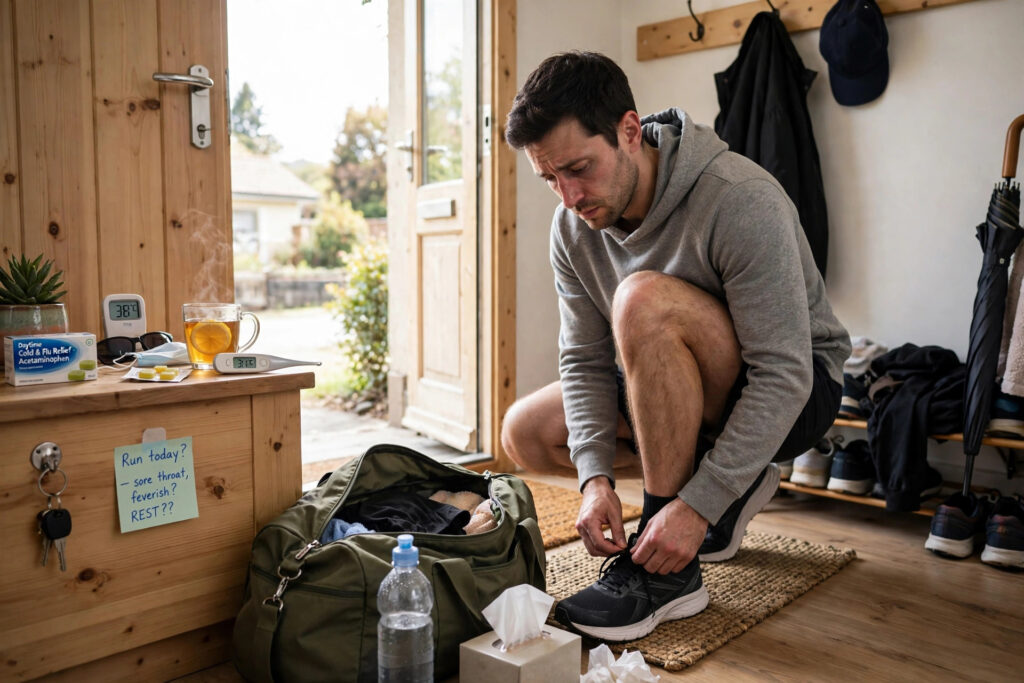
This is where athletes usually get it wrong, and I will be honest — I have been guilty of it myself. The temptation to sweat it out is strong, especially mid-season. With RSV, it is a bad idea.
While you are feverish, wheezing, or short of breath, do not train. Your body is already working overtime, and hard exercise on top of a lower-respiratory infection adds stress to lungs that are already inflamed. There is also the group angle: training while contagious puts your whole squad at risk.
Use this simple return-to-training checklist instead:
- Fever-free for at least 24 hours without fever-reducing medicine, and symptoms improving overall.
- No wheezing or breathlessness at rest. If walking up the stairs leaves you winded, you are not ready for intervals.
- Start at half effort. Do an easy 20-30 minute session first and see how you feel the next day, not just during the workout.
- Build back over a week. If that easy session felt fine, add volume gradually rather than jumping straight back to full training.
- Mask up around vulnerable people for a few extra days after you return, especially if you live or train with older adults or infants.
A lost week of training stings. A month lost to pneumonia stings a lot more.
Myth vs Fact: RSV Edition
Myth: RSV only affects babies. / Fact: Babies are the most vulnerable, but adults get RSV constantly — most adult cases are just mild enough to be mistaken for a cold, so nobody counts them.
Myth: You cannot catch RSV twice. / Fact: You absolutely can. Previous infection does not give lasting immunity, which is why RSV returns every season.
Myth: If you feel better, you are no longer contagious. / Fact: Not necessarily. Most people stop spreading it within about eight days, but people with weakened immune systems can spread it for weeks after symptoms fade.
Myth: Antibiotics will sort it out. / Fact: RSV is a virus, so antibiotics do not touch it. Treatment is about rest, fluids, and managing symptoms — and medical care if breathing becomes difficult.
How to Protect Yourself This Season
There is no magic shield, but the basics genuinely work. Wash your hands properly, avoid close contact with people who are sick, cover your coughs and sneezes, and clean frequently touched surfaces. During flu season, think twice about sharing water bottles at the gym — it is a small habit change with a real payoff.
Vaccination is now part of the picture too. The CDC recommends a single dose of RSV vaccine for all adults aged 75 and older, and for adults aged 50 to 74 who are at increased risk of severe RSV disease. It is not an annual vaccine — one dose is the current recommendation — and the best time to get it is late summer or early fall, before RSV starts spreading widely. If you are in one of those groups and have not had the dose, it is worth asking your doctor about it now rather than mid-season.
For the rest of us, the honest protection plan is boring and effective: sleep, do not train sick, and stop treating every winter cough as just a cold until you know what it actually is.

FAQs About RSV
Can adults get RSV more than once?
Yes. Immunity after an RSV infection does not last, so reinfection is common — sometimes in the very next season. Each infection can feel different depending on your health at the time, which is why a mild case one year says nothing about the next.
When should I see a doctor for RSV?
Seek medical care if you have difficulty breathing, a high fever, a bluish colour to your skin or lips, or symptoms that keep worsening instead of improving after a week. People with asthma, COPD, heart disease, or weakened immunity should contact a doctor sooner rather than later.
Can I train through RSV if my symptoms are mild?
If you only have a runny nose and feel otherwise fine, light movement is usually reasonable — but skip the group session while you are contagious, and stop immediately if symptoms move into your chest. Any wheezing, breathlessness, or fever means rest, not training.
The Bottom Line
RSV has spent years hiding in plain sight, dismissed as a children illness or mistaken for a common cold. The numbers tell a different story: tens of thousands of older adults hospitalised every year, a contagious window that opens before you feel sick, and a cough that can linger long after you think you are done with it.
For athletes, the takeaway is simple and unglamorous: respect the virus, rest when it hits, and return gradually. Your season will survive a week off. It will not survive you pretending a wheeze is nothing. Spotting RSV symptoms in adults early is what turns a lost week into a saved season.
This article is for general information only and is not medical advice. If you are worried about your symptoms or you are in a higher-risk group, talk to a healthcare professional.