
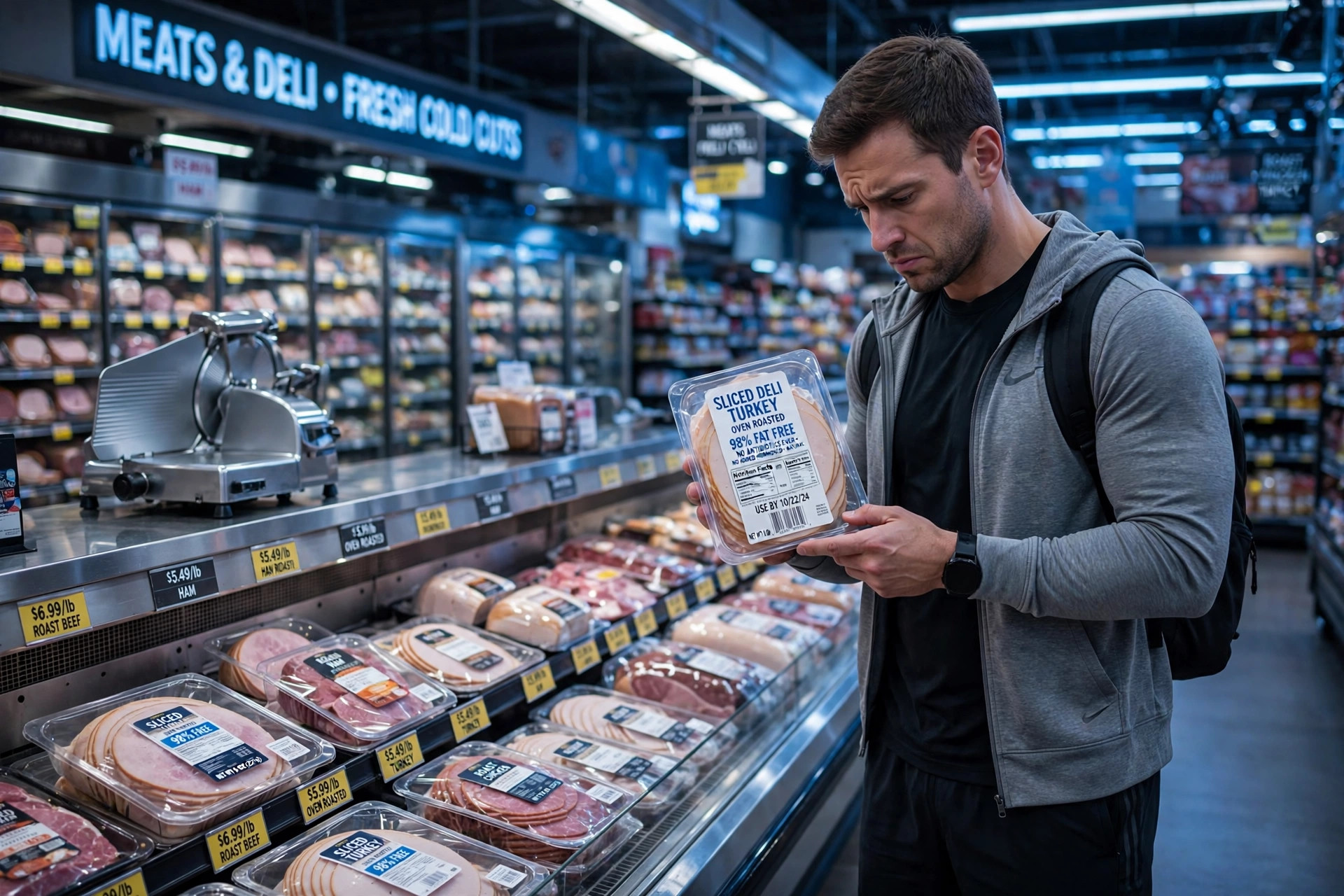

If your post-workout routine includes a turkey sandwich, I need you to stop and check your fridge before you eat another one. This past weekend, more than 1.5 million pounds of ready-to-eat meat — hot dogs, bacon, sausage, turkey breasts, hams — faced a Class I recall, the most serious kind the USDA has. And here’s the uncomfortable part: athletes are exactly the people most likely to have that stuff sitting in their kitchen right now.
Think about it. Who eats more deli turkey and chicken sausage than anyone? Lifters pounding 200 grams of protein a day. Runners grabbing a quick sandwich between doubles. Bodybuilders who treat the deli counter like a supplement aisle. If that’s you, this recall isn’t some abstract food-safety story. It’s personal.
What Actually Happened (And Why “Class I” Is Scary)
On October 17, Kayem Foods Inc. of Chelsea, Massachusetts, recalled roughly 1.58 million pounds of ready-to-eat meat and poultry products. That’s not a typo. Million. The company produced the products — hot dogs, bacon, sausage, turkey breasts, and hams — between March 31 and October 7 of this year, which means some of them have been sitting in home freezers for months.
The reason? Possible temperature abuse. Somewhere between the plant and the shelf, the cold chain broke. And the USDA’s Food Safety and Inspection Service slapped this with a Class I classification, which means there’s a reasonable probability that eating the product could cause serious health problems — or worse.
Officials haven’t confirmed any illnesses so far, which is good news. But they’ve been clear: some of the recalled product is almost certainly still in consumers’ refrigerators and freezers. If you bought any ready-to-eat Kayem-branded or store-brand deli meat produced in that window, check it tonight.
Why Athletes Should Care More Than the Average Shopper
Here’s the thing nobody’s talking about: this recall is basically a map of an athlete’s grocery list. Walk through any serious lifter’s cart and you’ll find turkey breast, chicken sausage, pre-cooked bacon bits for meal prep, deli ham for the quick sandwiches. These are the exact products on the recall list.
It’s ironic, honestly. You buy this stuff because it’s lean, convenient, high-protein — the “clean” choice. You track your macros down to the gram, you won’t touch a donut, and then the biggest threat to your training this month turns out to be the turkey breast you’ve been meal-prepping for weeks.
There’s a real health angle here too. The main danger in temperature-abused ready-to-eat meat is Listeria monocytogenes, a bacteria that’s genuinely nasty. Most healthy adults will shrug off listeriosis, but athletes aren’t always at their immunological best. Heavy training blocks, aggressive cuts, sleep deprivation during competition season, a bout of flu you trained through anyway — all of these chip away at your immune defenses. Add in anyone who’s pregnant, older, or immunocompromised, and the risk picture gets serious fast.
Don’t Mistake Listeriosis for Soreness
And here’s the detail that should make every athlete pay attention: early listeriosis symptoms look a lot like training soreness. Fever, muscle aches, fatigue — tell me you wouldn’t just chalk that up to yesterday’s leg day. The infection can take one to four weeks to show up, by which point you’ve long forgotten the sketchy-looking sausage you ate. If “the flu” hits you but doesn’t behave like the flu, think about what you’ve been eating.
The 5 Food-Safety Rules I Wish Every Athlete Followed
I’m not a food-safety inspector. I’m just someone who writes about this stuff and got genuinely spooked reading the recall notice with a pack of deli turkey in my own fridge. But after digging through the USDA guidance, here are the rules that actually matter — the ones most athletes are currently violating.
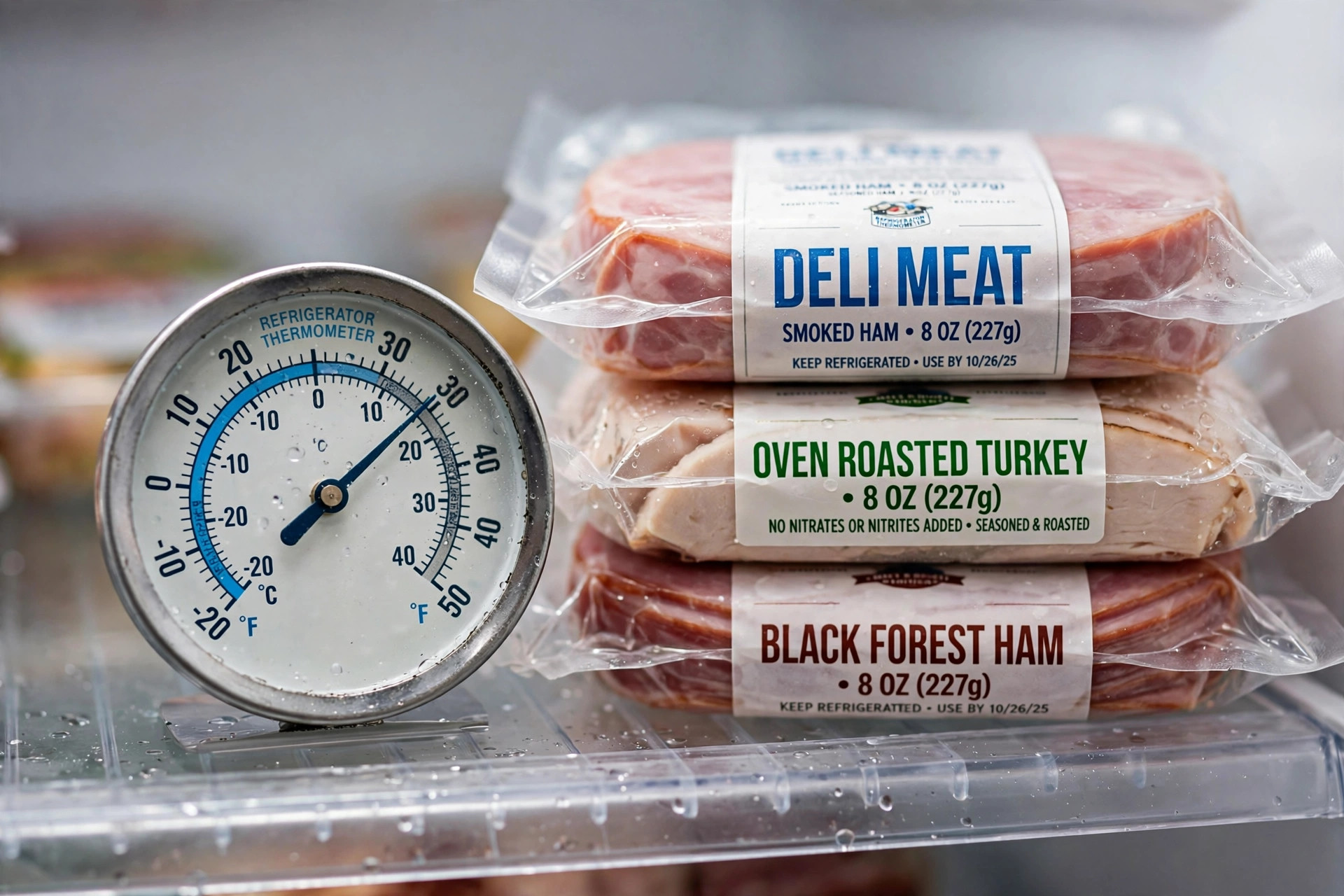
- Check your fridge tonight, not “later.” Look for the establishment numbers and production codes on the recall notice. Kayem products and several store brands are involved. If the dates fall between March 31 and October 7, 2026 — toss it or return it. Don’t sniff-test it. Don’t think “I’ve been eating it all week and I’m fine.” Listeria doesn’t announce itself.
- Get a fridge thermometer and actually use it. Your fridge needs to be at 40°F (4°C) or below. The dial inside says nothing — those numbers are decoration. A five-dollar thermometer from a hardware store is the difference between assuming and knowing. This matters because your fridge should stop listeria cold, and it can’t do the job if the temperature’s drifting.
- Respect the 3-to-4-day rule for opened deli meat. That turkey you opened Sunday? By Thursday it’s done, no matter how good it still looks. Listeria is one of the few bacteria that grows happily at refrigerator temperatures, so the “it looks fine” test is worthless. Date your opened packages with a marker if you have to.
Safe Handling and Heating
- Keep raw and ready-to-eat completely separate. Your raw chicken thighs for tonight’s dinner should never sit above or beside your sliced turkey on the same shelf. Raw juices drip. Cross-contamination is how “safe” food becomes unsafe food, and it takes zero extra time to fix.
- When in doubt, heat it until it steams. This is the rule that would have made this whole recall a non-event. Heating deli meat and hot dogs to 165°F (steaming hot) kills listeria dead. Yeah, warm deli turkey on a sandwich is a little weird. But it’s a small price compared to a week of fever and missed training.
For athletes who obsess over their high-protein eating habits, these rules deserve the same discipline you bring to your macros — and if your protein strategy leans heavily on processed convenience foods, it’s worth a hard look at where that habit might be quietly working against you.
Safer High-Protein Swaps While the Dust Settles

Nobody’s telling you to give up protein. But while this recall is active, it’s a smart time to shift your staples toward options that don’t depend on someone else’s cold chain:
- Rotisserie chicken you reheat yourself. Hot, freshly cooked, and you control the temperature from oven to plate.
- Eggs. Cheap, complete protein, and you cook them right before eating. Hard to beat.
- Greek yogurt and cottage cheese. High protein, no reheating roulette, and dairy recalls are a different (and currently quiet) category.
- Canned tuna and salmon. Shelf-stable until opened, then the 3-day rule applies.
- Whey or a quality protein powder. Not a food-safety risk at all, and honestly the simplest swap for your post-workout window.
And here’s a bigger-picture thought: a lot of the recalled products are ultra-processed foods wearing a health halo. Deli turkey sounds clean, but it’s still processed meat. If this recall nudges you toward cooking more of your own protein, that’s a win that outlasts the news cycle.
FAQs
Should I throw out my deli turkey right now?
If it’s covered by the recall (Kayem Foods products produced March 31–October 7, 2026), yes — toss it or return it for a refund. If it’s a different brand outside the recall window, it’s not implicated, but use this as your cue to start following the fridge and timing rules above. And if anything in your fridge is past the 3–4 day mark after opening, throw it out regardless of brand.
Can listeria really survive in my refrigerator?
Yes — that’s exactly what makes it dangerous. Unlike most foodborne bacteria, Listeria monocytogenes grows at refrigerator temperatures. Your cold fridge slows it down but doesn’t stop it. That’s why the 3-to-4-day rule and the 40°F target matter so much, and why reheating to steaming is the real safety net.
How do I check whether my meat is part of the recall?
Check the establishment number and lot/production codes on your packaging against the official USDA FSIS recall notice. Kayem Foods Inc. produced the recalled products between March 31 and October 7, 2026; they include hot dogs, bacon, sausage, turkey breasts, and hams. When you’re not sure, the rule is simple: when in doubt, throw it out.
The Bottom Line
Go check your fridge tonight. Seriously — before the next article, before bed, right after you finish this paragraph. Look at the deli meat, check the dates, and set your fridge to 40°F if you haven’t already. The Kayem recall will fade from the headlines in a week, but the habits it should teach you — timing your opened meats, heating what you’re unsure about, not trusting the sniff test — will protect your training for years.
Because here’s the takeaway I keep coming back to: you can do everything right in the gym and still lose a month to something that grew in your refrigerator. Food safety for athletes isn’t the glamorous side of performance — nobody’s posting their fridge thermometer on Instagram. But it’s the foundation everything else sits on, and right now that foundation has a 1.5-million-pound crack in it.
Disclaimer: This article is for informational purposes only and is not medical advice. If you experience symptoms such as fever, muscle aches, or gastrointestinal illness after eating recalled products, contact a healthcare professional promptly. Always follow official USDA and CDC guidance on food recalls.