
How a bruised calf became a season-ending crisis
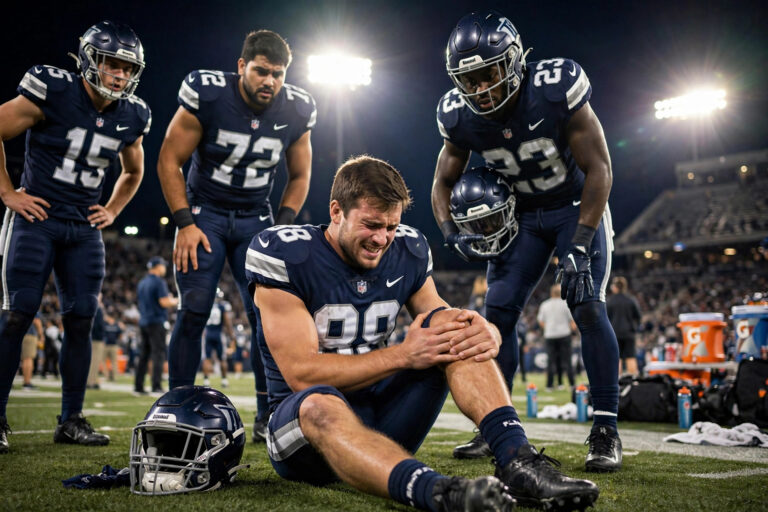
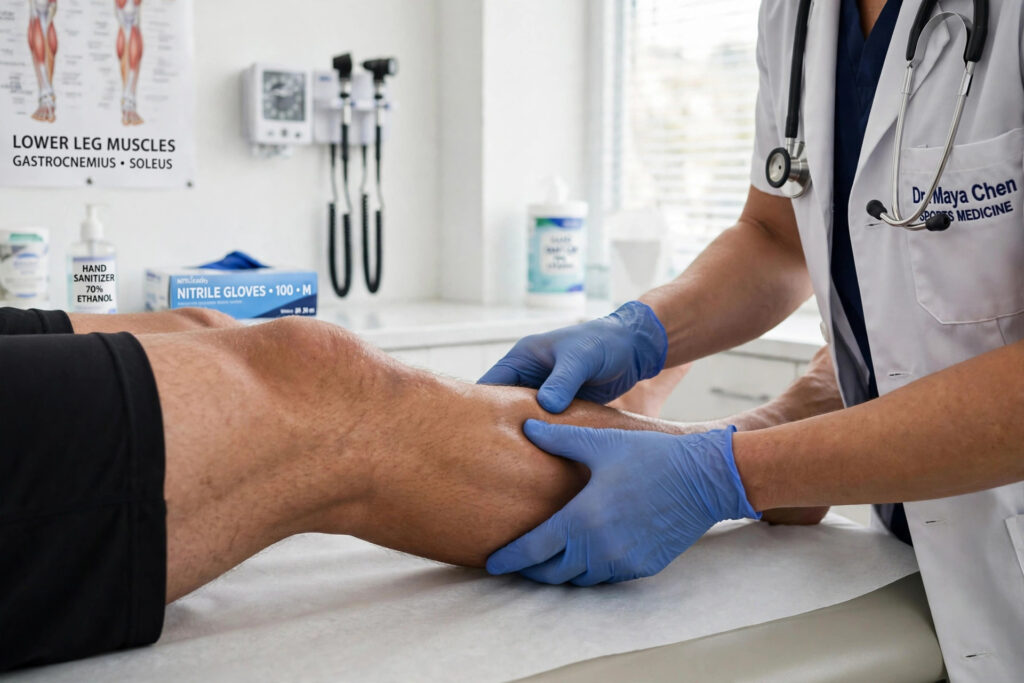
It started the way a thousand football plays start. Back on October 4, Hurts took a cleat to his calf during a game against the Rams. A few days later, with his leg aching, he got it checked. An ultrasound in London — the Eagles were in town to play Jacksonville — found a superficial blood clot near the surface of the leg. After consulting with the medical staff, he was cleared to play. And play he did, throwing 40 passes the next day.
But here’s the thing about blood clots: they don’t always stay put.
A follow-up ultrasound back in Philadelphia showed the picture was worse than first thought. On Monday, October 19, the Eagles and Hurts’ agent, Nicole Lynn, released a joint statement: the quarterback had deep vein thrombosis and bilateral pulmonary emboli. Multiple blood clots — in both lungs.
The good news matters, too: Hurts is clinically stable, his prognosis is described as “very good,” and the team expects no long-term effects. He’ll spend at least three months on blood thinners, during which contact football is completely off the table. No practice, no games. Just conditioning, team meetings, and waiting.
A Super Bowl MVP, reduced to the sideline by his own bloodstream. If that doesn’t convince you this topic deserves five minutes of your attention, nothing will.
What exactly are blood clots in the lungs?
A pulmonary embolism — the medical name — happens when a clot that formed somewhere else in the body, usually in a deep leg vein, breaks loose and travels through the bloodstream until it wedges into an artery feeding the lungs.
Small clots can damage the lung without killing you. Large ones can block blood flow entirely, and that can be fatal fast. And here’s the cruel part: it rarely announces itself dramatically. Most people describe something oddly ordinary — trouble catching their breath, a sharp pain when they inhale, a cough that won’t quit.
That’s exactly why it’s dangerous. Those symptoms look like a chest cold, overtraining, or the normal wreckage of a hard week. A guy who just played a full football game in London might chalk it all up to travel and contact. Which is, roughly, what happened.
The warning signs you should never explain away
Athletes are world-class at ignoring their bodies. We’ve all iced something that needed a doctor and stretched something that needed an X-ray. So read this list twice:
Sudden shortness of breath. The headline symptom. You go from fine to gasping with no clear reason.
Sharp chest pain that gets worse when you breathe deeply. Not soreness, not a pulled muscle — a stabbing sensation tied to your breathing.
A cough, possibly with blood. A dry cough out of nowhere, or pink, foamy sputum.
A racing heart, anxiety, sweating. The kind of jittery feeling that mimics nerves before a big game.
Dizziness or fainting. Stand up, and the world tilts. That can be a lung starved of blood.
One swollen, painful leg. The original clot often lives in a calf or thigh. Pain, warmth, or redness in one leg — not both — is the tell.
Any single one of these after hard training, long travel, or a leg knock deserves the emergency room. Not a wait-and-see. Not one more workout to “test it.”
But wait — athletes are the healthy ones, right?
That’s the twist, and it’s the whole reason this story led every sports outlet in America. Yes, fitness protects you from plenty. It doesn’t make your blood clot-proof.
Some athlete-specific risk factors, straight from the playbook Hurts just lived:
Long-haul travel. He flew to London with a sore calf. Hours of sitting with legs cramped in a seat is the classic clot factory — and teams travel constantly.
Dehydration. Flights, saunas, weight cuts, two-a-days. Thick, dehydrated blood clots more easily than well-hydrated blood.
Direct trauma. A cleat to the calf. A hard tackle. Any injury to a vein wall can start the clotting cascade.
Immobilization. A sprained ankle in a boot, a post-surgery layoff, even one long lazy Sunday after a knock. Blood that isn’t moving can pool and clot.
Ignoring the small thing. Hurts did get checked — and was still cleared to play at first. The lesson isn’t “never trust your doctor.” It’s that a calf ache after contact deserves a second look if anything changes.
What happens when doctors catch it
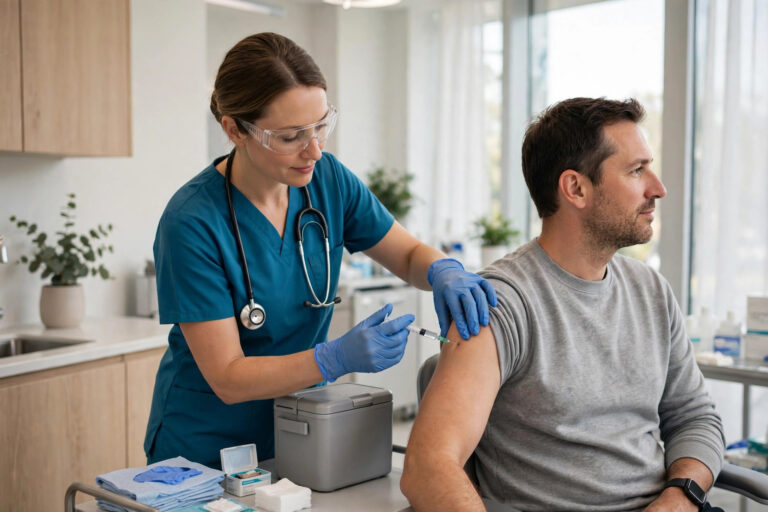
The standard fix is blood thinners — the same drugs that will keep Hurts off the field for at least three months. They don’t dissolve the clot directly; they stop it from growing and prevent new ones while your body clears the blockage. That’s why contact sports are forbidden during treatment: a hard hit while on blood thinners can turn a normal bruise into dangerous internal bleeding.
Severe, life-threatening clots get “clot-buster” drugs or procedures to physically remove the blockage. Then comes the long, boring part: months of monitoring, gradual conditioning, and a slow ramp back to contact — a timeline measured in months, not weeks.
One genuinely comforting detail from the Eagles’ statement: they expect Hurts back at full strength with no lasting damage. Caught in time and treated properly, a pulmonary embolism is often fully recoverable. The danger is almost entirely in the delay.
How to keep your own lungs safe
You can’t eliminate the risk. But you can stack the odds in your favor:
- Move on long flights and drives. Ankle circles, calf raises in your seat, a walk up the aisle every hour or two. Boring advice; genuinely life-saving.
- Hydrate like it matters — because it does. Especially when traveling or training twice a day.
- Never ignore one-sided calf pain or swelling. Both calves aching after squats is normal. One calf hot, swollen, and tender is not. Get it scanned.
- Ease back carefully after injury layoffs. Your first hard sessions back after being immobilized deserve extra attention — plus water, plus movement.
- Tell someone. If you’re getting weird chest symptoms, tell your trainer, your coach, your roommate. Athletes hide things. Pulmonary embolisms punish secrecy.
Your questions, answered
Can a blood clot really travel from my leg to my lungs?
Yes — and it’s the most common way pulmonary embolisms start. A clot in a deep leg vein (deep vein thrombosis) can break off, ride the bloodstream up through the heart, and lodge in a lung artery. Hurts’ case followed this exact script: a calf clot first, lung clots discovered later.
I’m young and fit. Should I actually worry about this?
Worry is the wrong word; respect is the right one. Jalen Hurts is 28 and an elite athlete, and it still happened. The fitness that protects your heart doesn’t protect your veins from the mechanical facts of clotting: stillness, dehydration, and injury. You don’t need anxiety — you need the symptom list and the willingness to get checked.
What should I do if I think it’s happening to me?
Go to the emergency room. Now. Don’t drive yourself if you’re dizzy. Call 911 if you have sudden breathlessness with chest pain. And tell them about any recent leg pain, travel, or injury — that history is what puts clots on a doctor’s radar. This is one of those rare cases where overreacting is the correct strategy.
The takeaway nobody wanted to learn this way
Jalen Hurts will almost certainly be fine. He’ll come back next season, probably as good as ever, and this will become a footnote in his career. But the story only ends that way because doctors kept looking — first ultrasound, second ultrasound, and the judgment to keep him off the field while the blood thinners do their work.
Most of us will never have a team of physicians watching our calves. So borrow the one lesson that travels: your blood is part of your athletic equipment too. Treat a mysterious calf ache with the same seriousness you’d give a torn hamstring. And if your chest ever feels wrong for no good reason, don’t be tough — be fast.
This article is for informational purposes only and is not medical advice. If you experience sudden shortness of breath, chest pain, or any other symptoms described here, seek emergency medical care immediately.