
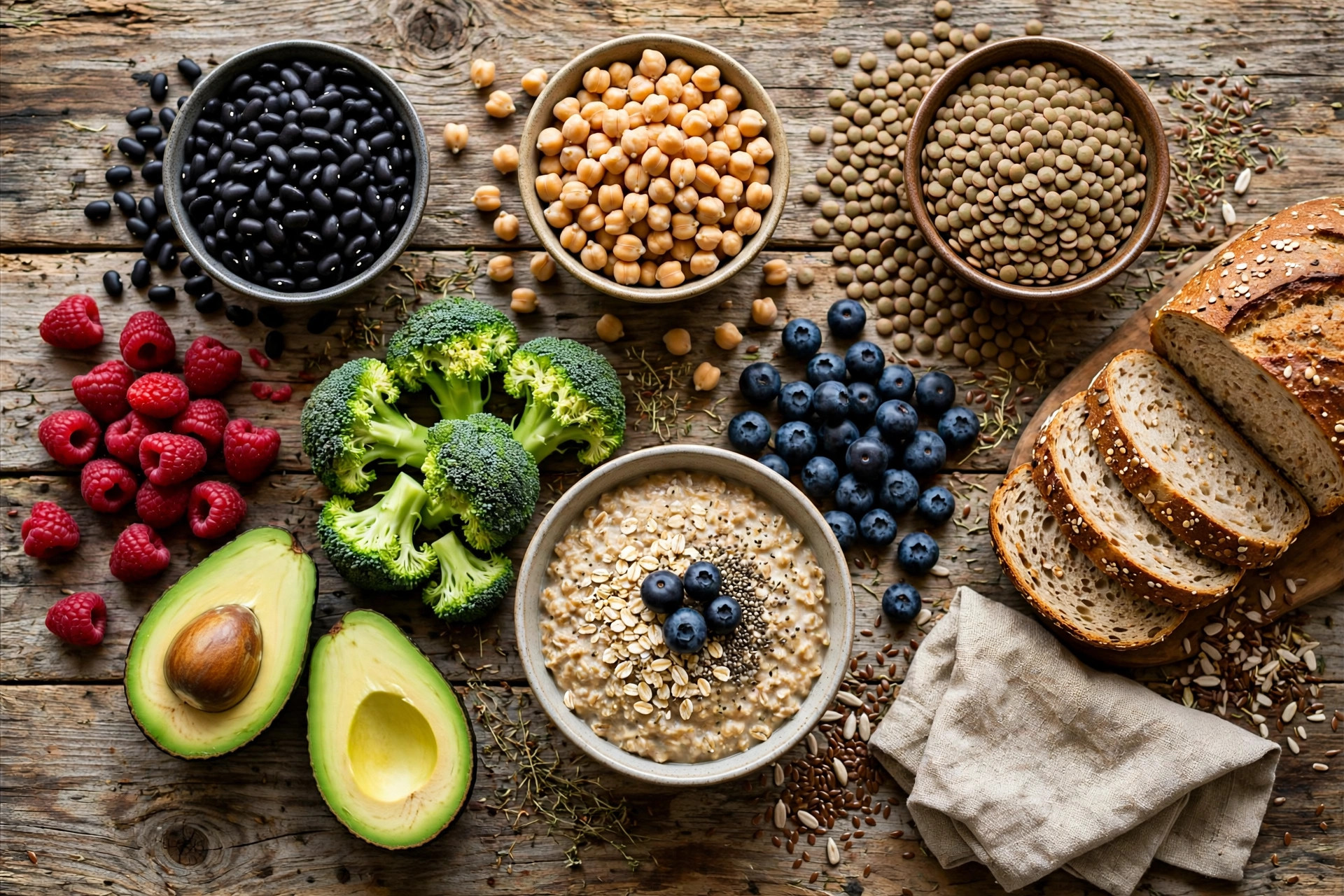

I nearly choked on my protein shake the first time someone at my gym told me their secret weapon wasn’t creatine, protein powder, or some exotic adaptogen. It was beans. Lentils. Berries. The guy was fibremaxxing — and he’d cut his post-leg-day bloat in half within three weeks.
If you’ve scrolled TikTok or Instagram lately, you’ve probably seen the word too. Fibremaxxing — the deliberate practice of pushing your daily fiber intake as high as you comfortably can — has exploded from a niche nutrition-nerd idea into one of 2026’s fastest-growing health searches. And unlike most viral wellness trends, this one actually has science on its side.
What Is Fibremaxxing, Really?
The idea is dead simple: eat way more fiber than you currently do, every single day, on purpose.
“Maxxing” language comes from fitness culture — like “protein maxxing” before it — but the target here is the nutrient almost everyone ignores. The average American eats about 15–16 grams of fiber a day, roughly half of what’s recommended. Fibremaxxers aim for 30 grams and up, some pushing 40–50 grams, and they track it the way bodybuilders track protein.
It’s not a diet in the restrictive sense. Nobody’s telling you to cut carbs or demonize fats. It’s additive — you keep eating what you like and layer fiber-dense foods on top. That alone makes it more sustainable than 90% of the trends that come and go.
Why Athletes Are Quietly Jumping On It
Here’s the part that surprised me. Scroll past the wellness influencers and you’ll find runners, lifters, and team-sport athletes fibremaxxing for very practical reasons.
Steady Energy Through Long Sessions
Fiber slows digestion, which means the carbs you eat hit your bloodstream more gradually. No sharp spikes, no mid-afternoon crashes. One marathoner I follow online switched her pre-run breakfast from white toast to oatmeal loaded with chia seeds and berries — same calories, completely different energy curve. She stopped bonking at mile 18.
Recovery Runs Through the Gut
This sounds strange until you hear the mechanism. Fiber feeds your gut microbiome, and a diverse microbiome is linked to lower inflammation markers. A well-known Stanford study found that a diet rich in fermented foods — many of which pair naturally with high-fiber eating — increased microbiome diversity and calmed immune activation over ten weeks. Less systemic inflammation means, in theory, smoother recovery between hard sessions. It won’t replace sleep, but it’s a real lever.
Appetite Control Without Suffering
Fiber’s satiety effect is its superpower for anyone trying to lean out. It physically fills your stomach and slows gastric emptying, so you feel full on fewer calories. Pair that with the satiety work protein already does, and you’ve got the two pillars of eating less without feeling miserable. (This is also where a lot of lifters trip up — I’ve written before about the protein mistakes athletes keep making, and undereating fiber is the quiet companion to those errors.)
The Numbers: How Much Fiber Do You Actually Need?
Harvard Health puts the target at 14 grams per 1,000 calories — so roughly 28–34 grams a day for most active adults. Athletes eating 3,000+ calories should scale up: around 40+ grams.
Most people are nowhere near that. And the gap matters more than you’d think: diets low in fiber are consistently associated with worse gut health, poorer blood sugar control, and even higher colorectal cancer risk. One more reason the trend has legs — it’s fixing a genuine deficiency, not chasing one that doesn’t exist.
My Own 30-Day Fibermaxxing Experiment
I’ll be honest — I was skeptical. Tracking fiber sounded about as exciting as tracking my water pressure. But I committed to 35 grams a day for a month, and here’s what actually happened.

Week one was rough. I went too hard too fast — a lentil-heavy dinner followed by a fiber bar — and spent an evening feeling like a balloon. Lesson learned: ramp up gradually. (More on that below.)
By week two, something shifted. My usual 3pm energy dip got noticeably softer. My post-dinner bloating — which I’d accepted as normal — basically disappeared. And training? I can’t claim PRs, but my stomach felt settled during long sessions in a way it hadn’t in months.
The biggest surprise was how easy the food itself was. A bowl of oatmeal with raspberries and walnuts covers ~12 grams before 8am. A lentil soup at lunch adds another 10. Toss chickpeas into your dinner salad and you’re basically there. Nobody suffered. Nobody meal-prepped for three hours.
The 5 Easiest Fibre Wins (Start Today)
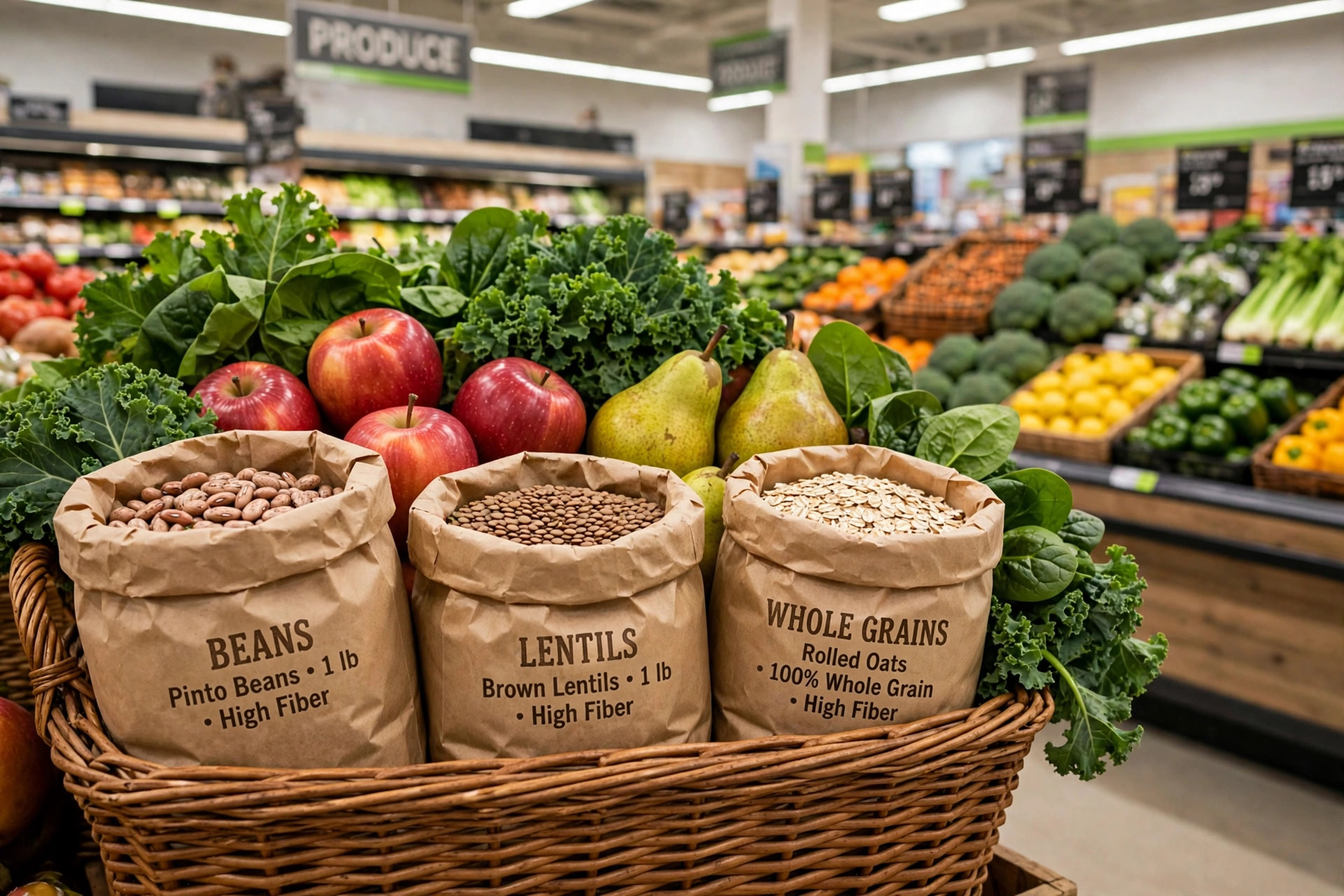
- Breakfast flip: Swap white toast or sugary cereal for oats with berries and seeds. Instant 10+ grams.
- Bean bomb at lunch: Add half a cup of chickpeas or black beans to whatever you’re already eating. That’s 6–7 grams with zero effort.
- Snack swap: Trade the vending-machine bar for an apple with a handful of almonds (~6 grams).
- Ditch the refined grain once a day: Brown rice, quinoa, or whole-grain bread instead of the white version. Small change, steady payoff.
- Eat the rainbow at dinner: Half your plate vegetables — broccoli, Brussels sprouts, and sweet potato are fiber monsters.
And one non-negotiable: drink more water. Fiber without water is like a sponge without a tap — it backfires.
Don’t Max Out Too Fast
This is the part the viral videos skip. Jumping from 15 grams to 40 overnight will punish you with gas, bloating, and cramps — exactly what happened to me in week one. Your gut bacteria need time to adjust to the new fuel supply.
Add roughly 5 grams per week. Spread fiber across meals instead of loading it all at dinner. And hydrate — aim for an extra glass or two of water as your intake climbs. If you’re swapping ultra-processed foods for whole fiber-rich ones at the same time (a very good trade, by the way), go especially slow.
FAQs
Does fibremaxxing help you lose weight?
It can, mostly through satiety. Fiber-rich meals keep you fuller on fewer calories, which naturally reduces snacking. Research links higher fiber intake with healthier body weight — but it works because you eat less overall, not because fiber burns fat. For athletes cutting, it’s one of the few strategies that pairs well with keeping training quality high; fiber supports the steady energy that makes a successful body recomposition diet actually livable.
Can I just take fiber supplements instead?
Supplements like psyllium husk can help you fill gaps, and there’s no evidence they’re harmful. But they shouldn’t be your main strategy — whole foods bring vitamins, minerals, and the variety of fiber types your microbiome wants. Think of powder as the backup plan, not the plan.
How do I track my fiber intake?
Any food-tracking app with a fiber column works — just enable it. Or go low-tech: count servings of fiber-rich foods per day and aim for 8–10 servings. The exact number matters less than the direction you’re moving.
The Takeaway: Add, Don’t Subtract
Fibremaxxing works because it breaks the diet-industry script: instead of removing foods, you add the one nutrient almost everyone is missing. More fiber means steadier energy, a happier gut, better satiety, and — if you ramp up slowly and drink your water — none of the suffering that kills most nutrition trends by February.
Start with breakfast tomorrow. Oats, berries, seeds. That’s it. Your gut will notice before the week is out.
This article is for informational purposes only and is not medical advice. If you have a digestive condition such as IBS, Crohn’s disease, or gastroparesis, talk to your doctor or a registered dietitian before making major changes to your fiber intake.