
One awkward step. That’s all it takes to begin an Achilles tear recovery.
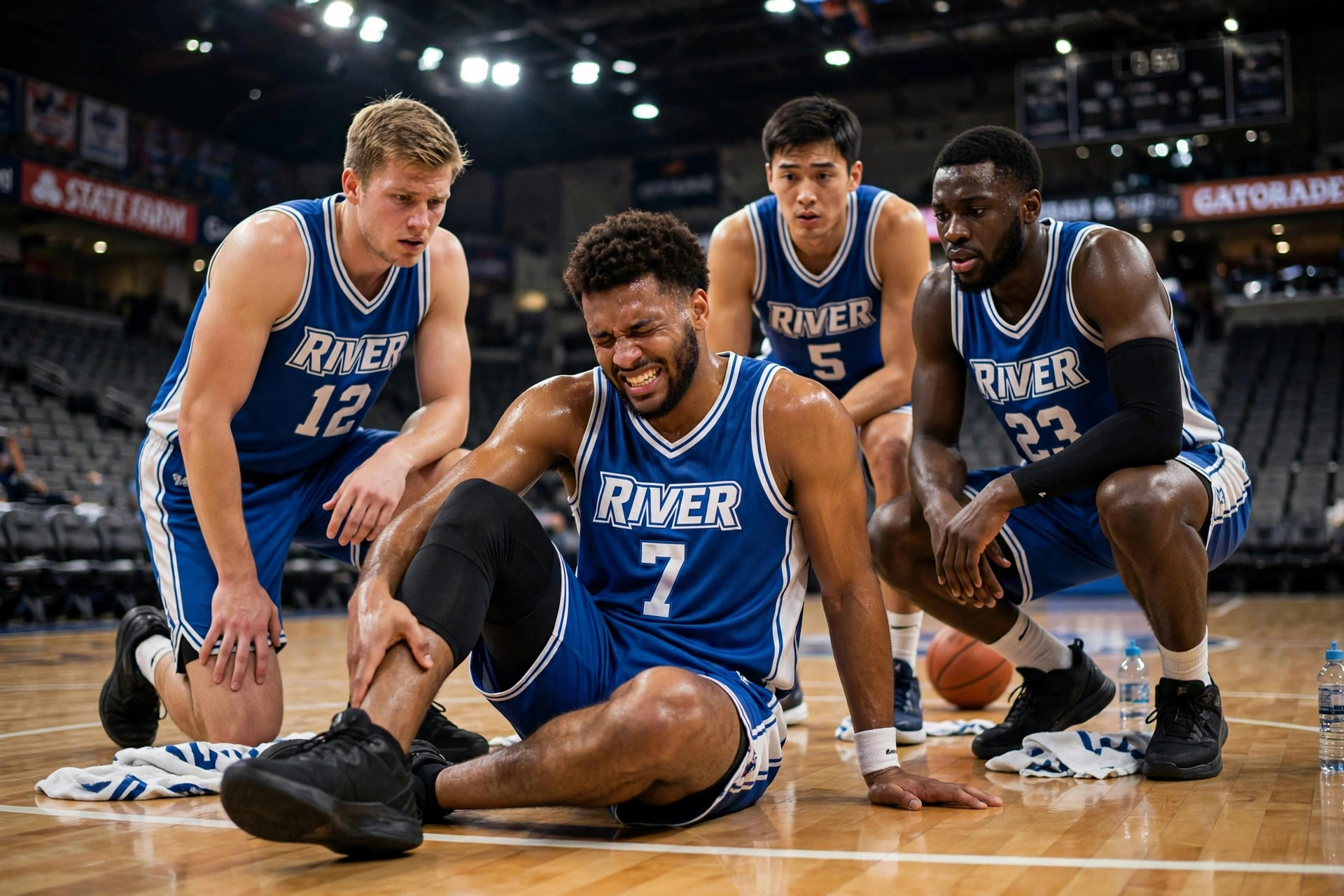
Ben Simmons went down in Sacramento Kings practice with a torn right Achilles tendon — season over before it even started, his comeback story cut short after he spent the entire 2025-26 season away from the game rehabbing back and leg problems. His message after the news broke? “Not the end of my story.”
He’s not wrong — but let’s not sugarcoat it. A ruptured Achilles is one of the most feared injuries in all of sports. Kevin Durant had one. Kobe Bryant had one. Aaron Rodgers had one. It’s the injury athletes whisper about in training rooms because it doesn’t just end seasons; it changes how you play when you come back. So what exactly happens inside that leg, why does this specific tendon betray even elite athletes, and what does the road back actually look like?
The Tendon That’s Stronger Than Steel — Until It Isn’t
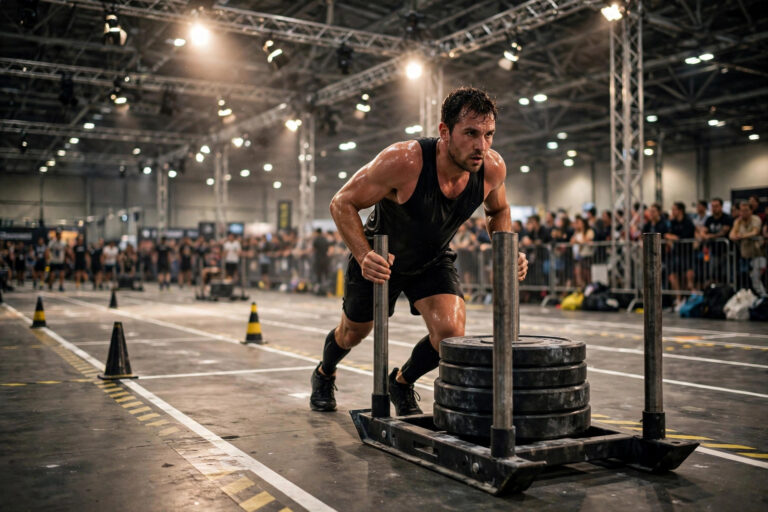
Your Achilles tendon is the thickest, strongest tendon in your entire body. It connects your calf muscles to your heel bone, and every time you sprint, jump, or push off, it absorbs forces up to 10 times your body weight. Think of it like a rubber band made of cable — it stores and releases energy with every explosive movement.
So why does the strongest tendon in the body snap? Usually, it’s not one bad landing. It’s the thousandth bad landing.
Tendons wear down over time through something doctors call tendinopathy — tiny bits of damage and degeneration that accumulate silently. Simmons missed a full season with back and leg issues. His body had already been through the wringer. Then comes one explosive movement — a sudden push-off, a quick change of direction — and the weakened tendon finally gives out. Players often describe hearing a loud “pop,” like someone kicked them in the back of the leg. Then they turn around, and nobody’s there.
Basketball is brutal for Achilles tendons. You’re 6-foot-10 (Simmons’ height), carrying 240 pounds, and you jump, land, cut, and push off hundreds of times a game. The math isn’t forgiving.
Surgery or Boot? The Decision Every Pro Athlete Faces
Once the tendon ruptures, there are really two paths, and the choice depends on how active you are and how much explosiveness your sport demands.
Non-surgical treatment means immobilizing the foot and ankle in a cast or boot for around six weeks so the torn ends can reattach and heal on their own. It works — but the re-rupture rate is higher, and athletes typically lose a bit more push-off strength afterward. For weekend warriors, it’s often a perfectly fine option.
Surgical repair is what nearly every professional athlete chooses. The surgeon stitches the torn tendon back together (sometimes through an open incision, sometimes minimally invasive), and for severe cases, a graft or reinforcement may be added. The AAOS notes that athletes undergoing minimally invasive surgery regain slightly more plantar-flexion strength — the “push-off” power — which matters enormously when your job is dunking. For a deeper breakdown of how high-level athletes choose their treatment path, the American Academy of Orthopaedic Surgeons lays out the full surgical and non-surgical options on their Achilles tendon rupture page.
Either way, surgery isn’t the fix — it’s just the starting gun. The real work is everything that comes after.
What an Achilles Tear Recovery Actually Looks Like, Week by Week
Forget the highlight-reel comeback narratives. Here’s the unglamorous truth of an Achilles tear recovery:
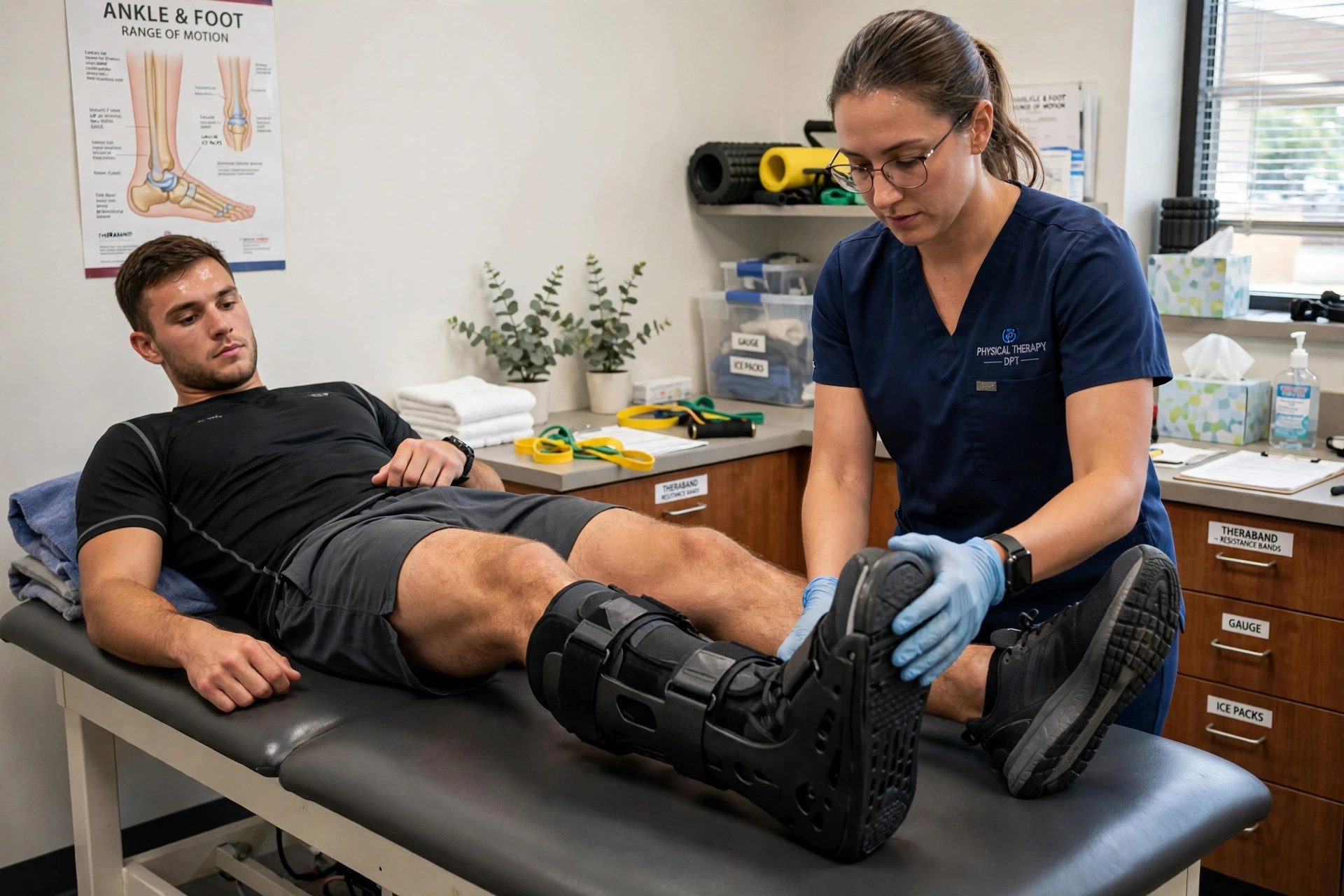
Months 0–2: The boot era. Your leg is immobilized in a cast or walking boot, usually for about six weeks. You’ll be on crutches, sleeping with your foot elevated, watching your calf shrink in real time — muscle atrophy starts within days. It’s boring, frustrating, and completely necessary.
Months 2–4: Learning to walk again. The boot comes off gradually. Physical therapy begins with gentle range-of-motion work — pointing and flexing the foot — before any real strengthening starts. Swelling and stiffness are daily companions. This is the phase where most people’s patience runs out, which is why our post-workout recovery routine principles matter even more: structure beats motivation.
Months 4–8: Rebuilding the engine. Now the grind begins for real. Calf raises, resistance bands, balance work, then jogging, then light cutting drills. Our match-day recovery routines can help you structure these progressive sessions for maximum recovery between workouts. Your physical therapist becomes your best friend and your worst enemy. Studies show recreational athletes return to sport in about 8 months on average — but pros with every resource available still typically need 9 to 12 months before playing meaningful minutes.
Months 8–18: The invisible recovery. This is the part nobody talks about. You can be cleared to play and still not be back. Research suggests it can take up to 18–24 months to regain full power, and most players return at a measurably lower level of explosiveness in their first season back. Kevin Durant needed a full year; he was excellent when he returned, but even he admitted the road was longer than anyone saw.
Can Athletes Really Come Back From This? The Honest Data
Here’s the encouraging part: roughly 80–85% of athletes do return to their sport after Achilles surgery. That’s a strong number. But the fine print matters:
- Some never return to the same level. A handful switch sports entirely — often out of fear of re-rupture rather than physical inability.
- Explosiveness dips first. Jumping ability and first-step quickness are the last things to come back, and for some athletes, they never fully return.
- The mental game is half the battle. Many athletes admit they played scared for months — second-guessing every cut, every landing. Confidence rehab matters as much as calf rehab.
Durant’s comeback is the gold standard, and Dominique Wilkins famously returned to average 29 points per game the season after his rupture back in ’92. But for every Durant, there’s a player who was never quite the same. Age, injury history, and sheer luck all play a role. Simmons, at 30 with a history of back and leg problems, faces a steeper climb than most.
Why Basketball Players Keep Tearing Them
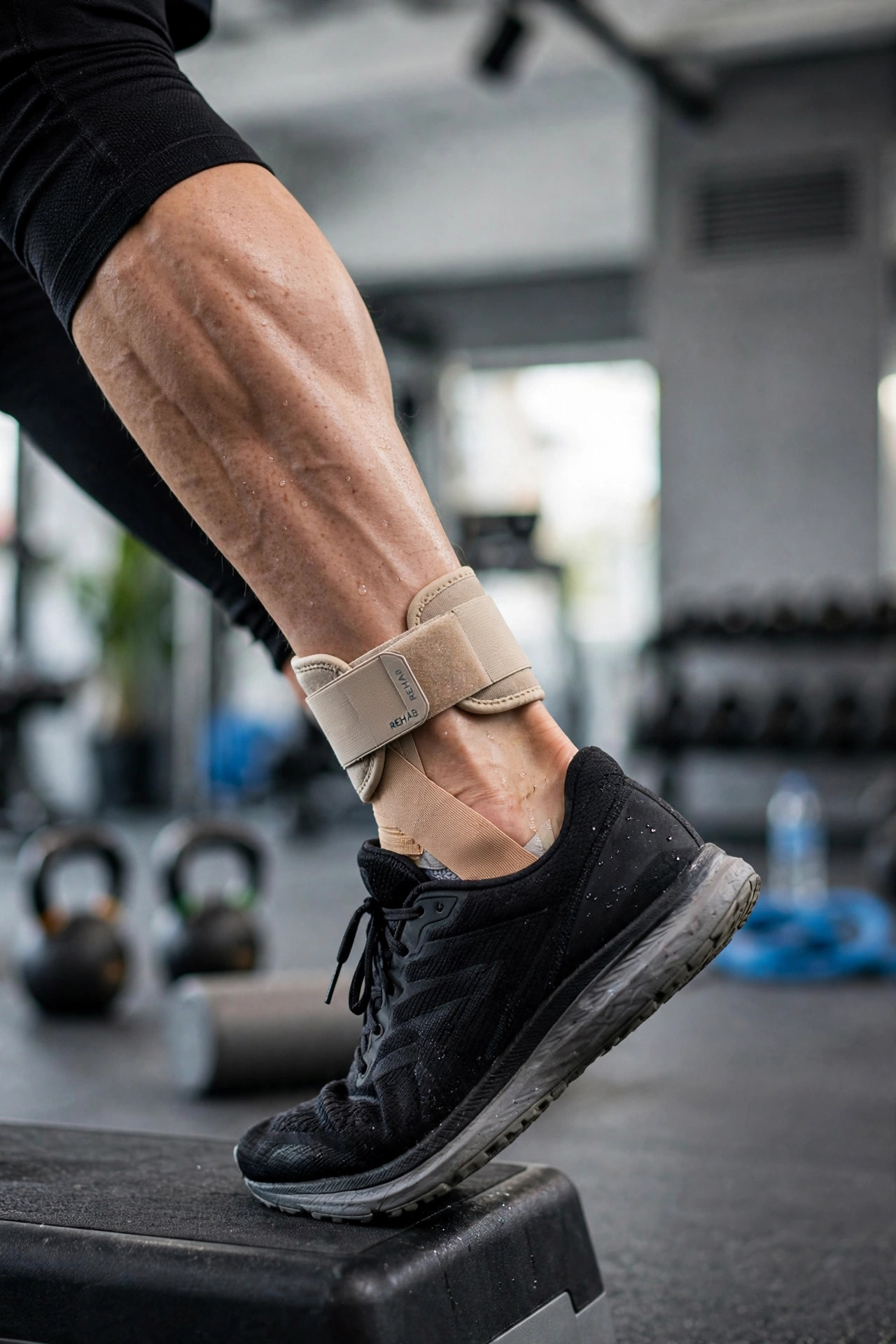
This isn’t bad luck — it’s biomechanics meeting the modern game:
- The game got faster. Today’s NBA is all pace, space, and explosive transitions. More forceful push-offs per game means more tendon stress.
- Players are bigger. A 6-foot-10, 240-pound guard puts exponentially more load on his Achilles than a smaller player doing the same move.
- Dense schedules, short offseasons. Tendons need rest to repair micro-damage. Shorter offseasons and back-to-backs steal that window.
- Previous injuries change movement. When your back or other leg has been hurting, you unconsciously shift load to the healthy side — overloading the Achilles until it snaps. Sound familiar?
If you’re an athlete (or a weekend warrior) playing explosive sports, the lesson is clear: don’t skip calf strengthening, respect rest days, and never ignore chronic heel or calf tightness. Your Achilles whispers before it screams.
What This Means for Simmons
“Not the end of my story” — and he’s right, but the next chapter will be the hardest one. Surgery, then a boot, then months of slow rehab, then the long climb back to NBA-level explosiveness. History says he’ll likely return. History also says the version of Ben Simmons who returns may have to reinvent his game — less reliance on raw burst, more craft and court vision. Athletes who accept that and adapt (think Durant leaning into his shooting) tend to fare better than those who chase their old selves.
If he makes it back and thrives, this injury becomes a footnote in a great comeback story — much like the injury comebacks we track in our hamstring recovery guide. If not, it’s a reminder of how fragile even the most gifted bodies are. Either way, the Achilles tear recovery ahead of him is one of the longest, most demanding rehabs in professional sports — and the next 12 months will tell the whole story.
How long is an Achilles tear recovery for athletes?
Complete recovery typically takes about 12 months, with some athletes needing up to 18–24 months to reach their full pre-injury level. Return to sport averages around 8 months for recreational athletes and 9–12 months for professionals, but regaining full explosiveness takes longer.
Do you need surgery for a torn Achilles?
Not always. Non-surgical treatment (immobilization in a boot or cast for about six weeks) works for many people, but competitive athletes usually choose surgery because it offers a lower re-rupture risk and slightly better push-off strength recovery.
Can athletes return to the same level after an Achilles tear?
About 80–85% return to their sport, but many experience a dip in explosiveness in their first season back. Kevin Durant and Dominique Wilkins are famous examples of elite comebacks, though recovery timelines and outcomes vary widely by age and injury history.
Conclusion: The Tendon That Tests Everything
Ben Simmons’ torn Achilles is a brutal injury, but it’s also one of the best-understood ones in sports medicine. The playbook is clear: surgery for the tendon, then a year of relentless, boring, unglamorous rehab — the kind that never makes a highlight reel but makes comebacks possible. Whether he returns as the same player or reinvents himself, his Achilles tear recovery will be the defining test of his career. For the rest of us, his injury is a reminder worth keeping: strengthen your calves, respect rest, and never ignore the whispers of your own tendons.
This article is for informational purposes only and does not constitute medical advice. If you suspect an Achilles injury, see a qualified healthcare professional for proper diagnosis and treatment.