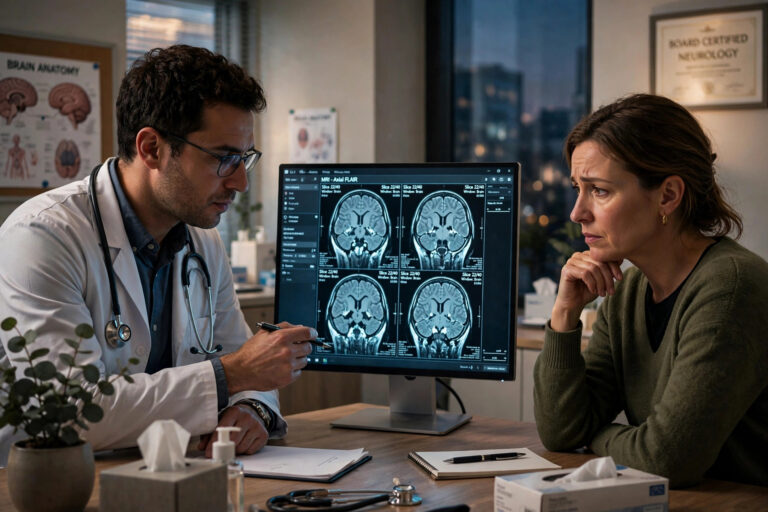
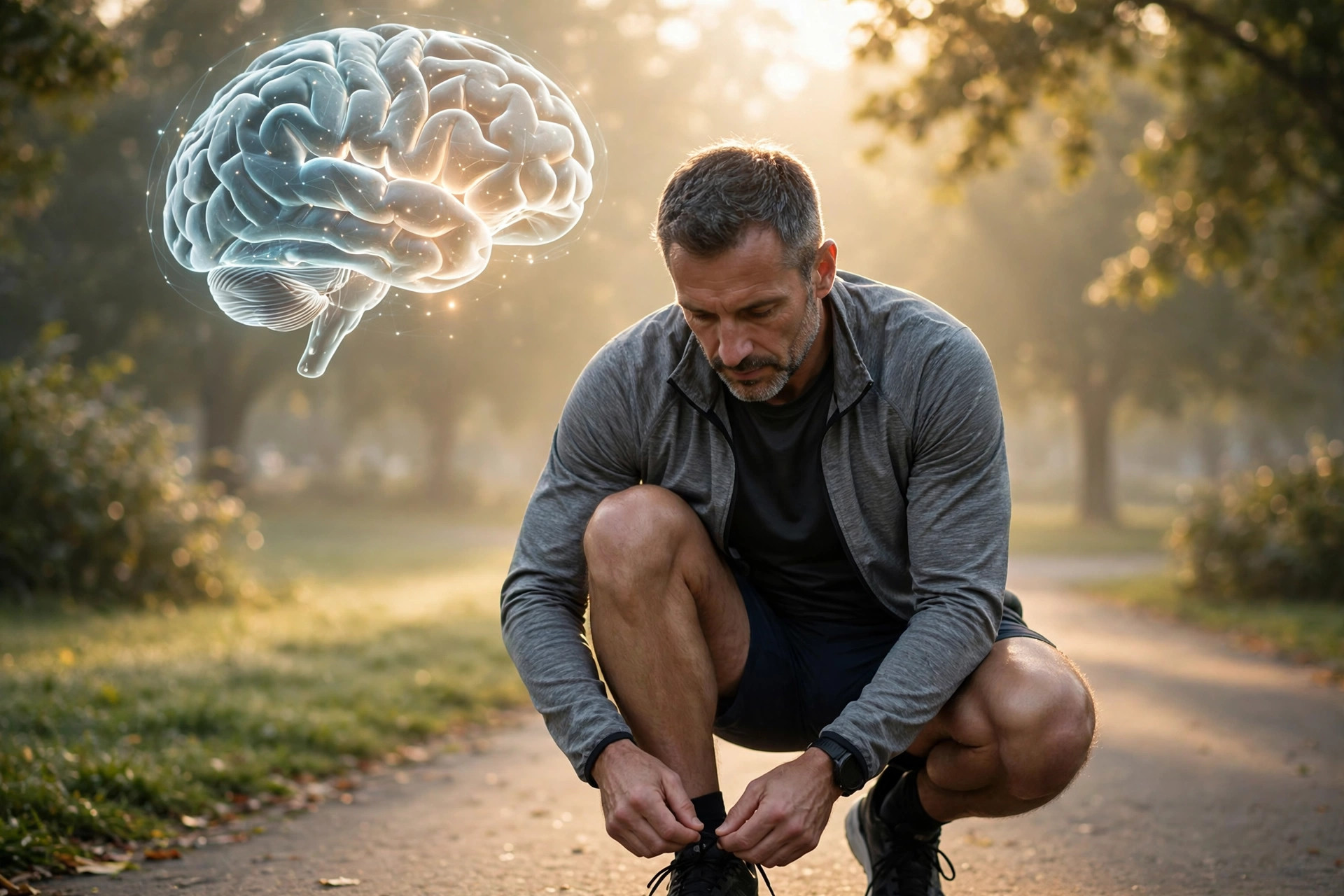

Most of us think of dementia as something that belongs to very old age — a worry for seventy-somethings, not for people in their thirties and forties. A massive new study just challenged that comfortable assumption, and if you have epilepsy — or love someone who does — you’ll want to read this one sitting down. If epilepsy dementia risk hasn’t been on your radar, this is the study to start with.
Published October 14, 2026, in Neurology (the medical journal of the American Academy of Neurology), the research followed hundreds of thousands of adults in France and Sweden and found something striking: people with epilepsy were far more likely to develop young-onset dementia — dementia that strikes before age 65 — than people without it. Not slightly more likely. Several times more likely.
Before anyone panics, let me say the thing the lead researcher himself wants you to hear: the absolute risk is low. Most people with epilepsy will never develop young-onset dementia. But the association is real, it’s strong, and it points to something worth acting on — especially if brain health matters to you, and as an athlete or active person, it really should. This article breaks down the epilepsy dementia risk research and the brain-protective moves worth borrowing from it.
What the New Epilepsy Dementia Risk Study Actually Found
Researchers at Sorbonne University in Paris used two different methods across two countries — which is the scientific equivalent of double-checking your homework.
First, they looked backward. Using national health databases, they identified 11,360 people in France (and 16,433 in Sweden) diagnosed with young-onset dementia, matched each with ten people of the same age and sex who didn’t have dementia, and checked who had a history of epilepsy. In France, 12.5% of the people with dementia had an epilepsy diagnosis — compared to just 1.2% of those without dementia.
Then they looked forward. They tracked 12,901 French adults aged 30 to 55 who were newly diagnosed with epilepsy in 2008, plus 64,083 people with existing epilepsy and 129,010 without epilepsy, for up to ten years. Over that decade, 2.2% of the newly diagnosed group developed young-onset dementia, versus 1.7% of those with existing epilepsy — and just 0.2% of those without epilepsy.
After adjusting for other factors like stroke, mood disorders, and even traumatic brain injury, the numbers settled into this: people newly diagnosed with epilepsy were six times more likely to develop young-onset dementia than people without epilepsy. People with existing epilepsy were about 74% more likely.
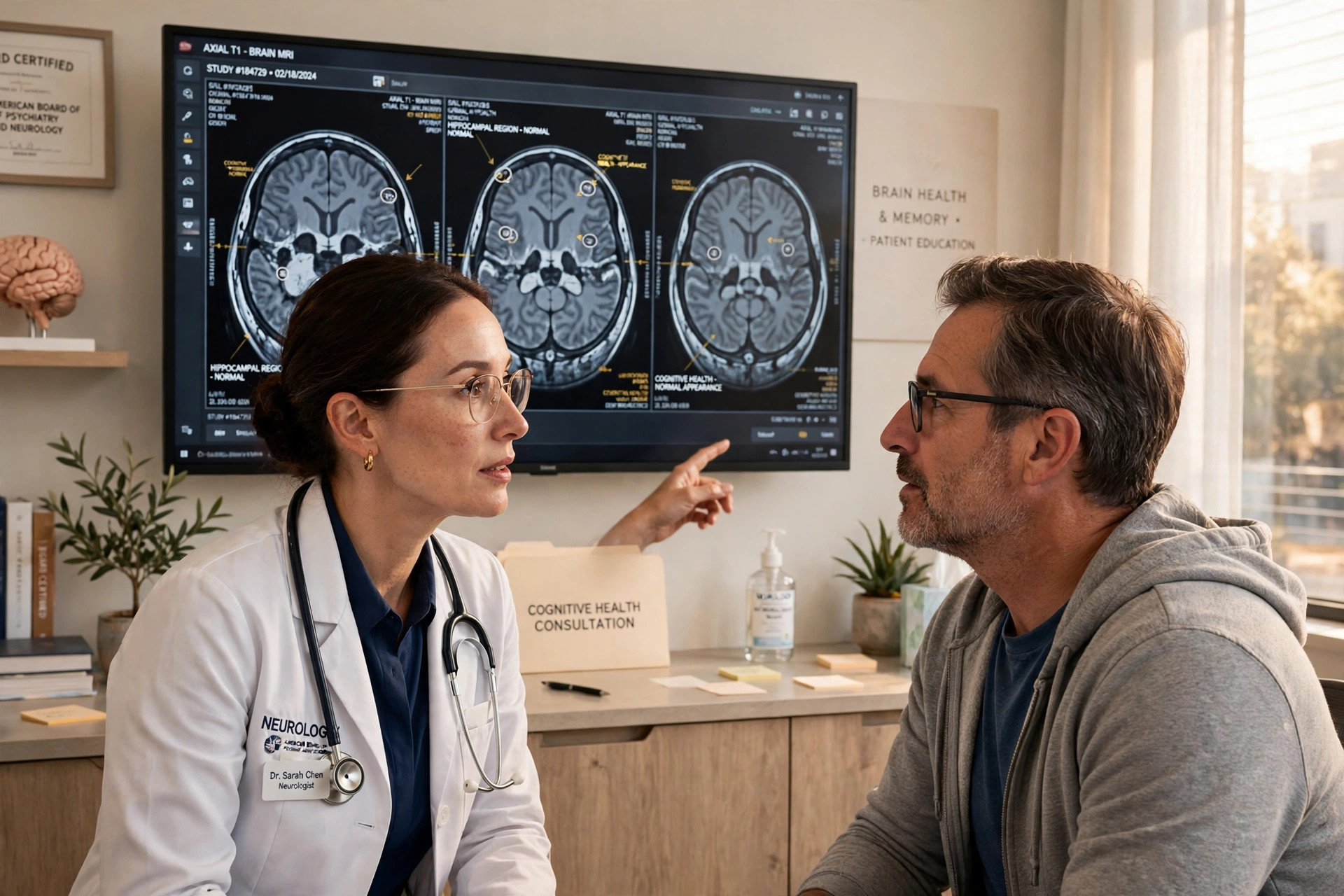
“This is an important signal,” is how I’d summarize study author Vincent Navarro, MD, PhD. His actual words: “These results support integrating dementia prevention into the care of people with epilepsy. They may benefit from earlier assessments of their cognitive risks and intensified management of risk factors that can be modified, such as cardiovascular factors like high blood pressure.”
Related reading: why 1 in 5 neurological diagnoses turn out wrong.
Why This Should Matter to Athletes and Active People
You might be thinking: “I don’t have epilepsy — why should I care?” Fair question. Here’s why this study deserves a spot on your radar even if seizures have never touched your life.
Brain health is a spectrum, not a switch. What damages the brain in one condition often overlaps with what damages it in others. The same cardiovascular risk factors the researchers flagged — high blood pressure, poor vascular health — are the same ones that quietly erode cognitive performance in athletes who neglect them. Understanding epilepsy dementia risk starts with understanding these shared pathways.
Head injuries sit in the overlap. The researchers specifically adjusted for traumatic brain injury, which matters for contact-sport athletes. The epilepsy–dementia link held even after accounting for TBI — meaning the association carries independent weight beyond head trauma.
Cognitive screening is becoming standard care. The study’s clearest message is practical: earlier cognitive assessments for at-risk groups. Athletes can borrow that principle — you get your knees and VO₂ max tested, so why not a baseline cognitive check in your thirties? It gives future-you something real to compare against.
Also on brain health: ultra-processed foods are linked to structural brain changes.
What This Does NOT Mean
Let’s pump the brakes before the group chats run wild with this one.
Association is not causation. The researchers are explicit: this study shows epilepsy and young-onset dementia travel together; it does not prove epilepsy causes dementia. It could be shared biology, shared risk factors, or something science hasn’t untangled yet. Anyone telling you seizures “cause” dementia is overstating the evidence.
Absolute risk remains low. Six times a small number is still a small number. Only 2.2% of newly diagnosed patients developed young-onset dementia over ten years. As Navarro put it: “While these results show a strong relationship between epilepsy and young-onset dementia, it’s important to remember that absolute risk is low.”
The data has limits. The study couldn’t break down dementia types or epilepsy types in detail, and both countries have universal healthcare in high-income settings — so the findings may not translate everywhere. Science is a brick wall, and this is one solid brick, not the finished wall.
4 Brain-Protective Moves Worth Borrowing From This Research
The researchers’ prescription — earlier cognitive screening plus aggressive management of modifiable risk factors — is genuinely useful advice for everyone with a brain.
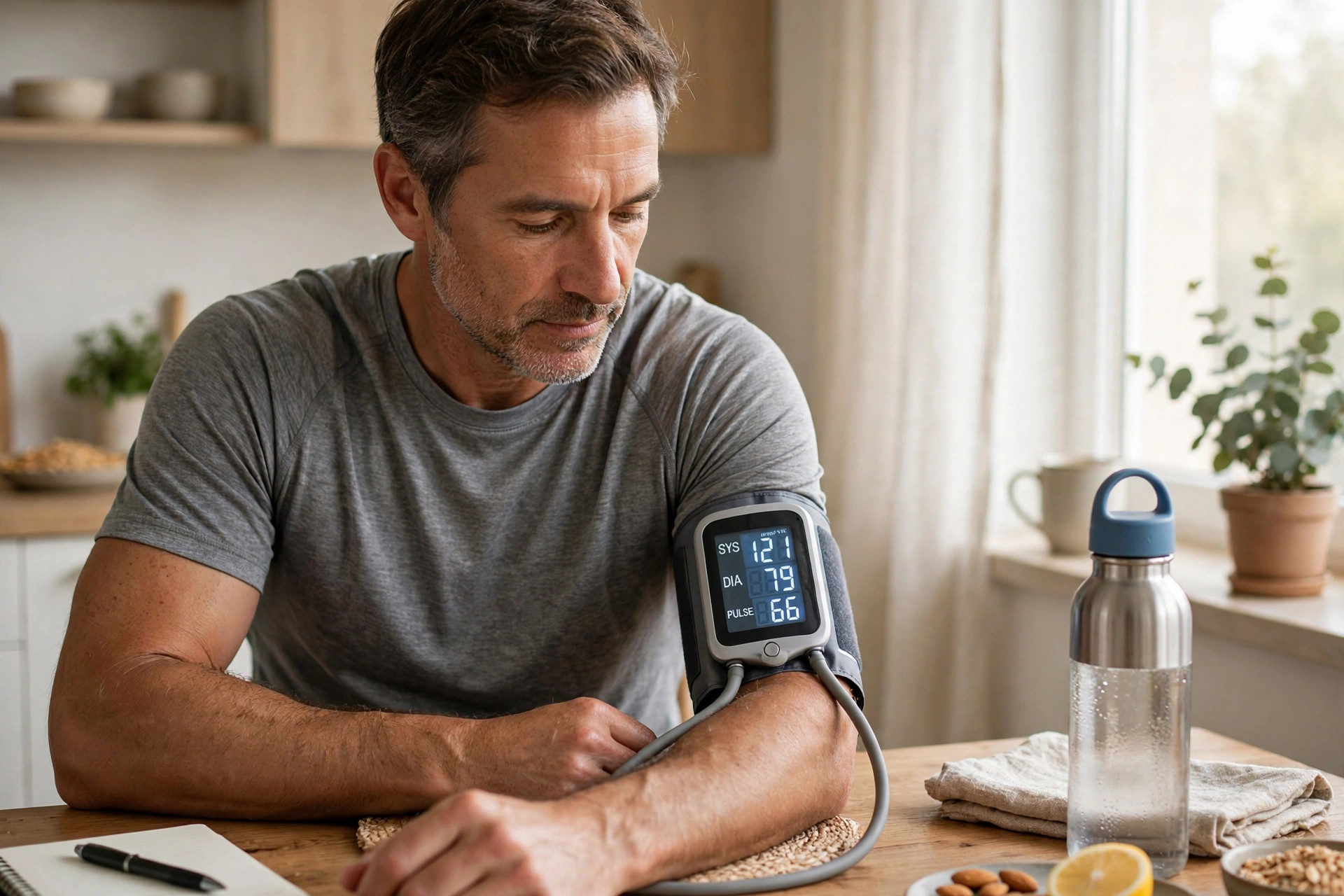
1. Treat blood pressure like a training metric
High blood pressure kept surfacing as the modifiable villain. If you track your resting heart rate and HRV, add blood pressure to the rotation. A home cuff costs less than most supplements and tells you more than most of them. Consistently above 120/80? That’s a conversation with your doctor, not a supplement purchase.
2. Keep the aerobic engine running
The brain is a vascular organ first and a thinking organ second. Regular moderate aerobic exercise — the kind that has you breathing harder but still able to talk — is the single best-supported habit for long-term brain health. Think of your runs, rides, or swims as feeding your future memory, not just your current fitness.
3. Get a cognitive baseline before you need one
You’d never start a strength program without testing your one-rep max. A baseline cognitive screening in your 30s or 40s — many clinics now offer brief versions — works the same way. It gives any future concern something to be measured against, instead of vague “I feel foggier lately” conversations.
4. Don’t ignore the small warning signs
Subtle memory slips, word-finding trouble, or a dip in mental sharpness that doesn’t bounce back after rest and sleep — these deserve a checkup, not a shrug. The study’s message is that earlier assessment helps, and that applies to everyone. Catching cognitive changes early opens doors that stay closed when things are caught late.
For recovery: simple nervous-system resets that support recovery.
Frequently Asked Questions
Does having epilepsy mean I will get dementia?
No. The study found a strong statistical association, but the absolute risk is low — about 2 in 100 newly diagnosed patients developed young-onset dementia over a decade. Epilepsy does not make dementia inevitable, and the study did not prove epilepsy causes dementia. For most people, epilepsy dementia risk stays low — especially when blood pressure and other modifiable factors are well managed.
At what age does “young-onset” dementia start?
Young-onset (also called early-onset) dementia refers to dementia diagnosed before age 65. The longitudinal part of this study followed adults aged 30 to 55, so the findings are most relevant to middle-aged adults, not the elderly population where dementia is most common.
Should athletes with epilepsy train differently?
Not based on this study alone — and any training changes should come from your neurologist, not a headline. What the research does support is taking the boring fundamentals seriously: controlling blood pressure, staying aerobically fit, sleeping well, and getting cognitive checkups. That’s advice every athlete can use, epilepsy or not.
The Takeaway
This is one of the largest investigations ever into epilepsy and young-onset dementia, and its message is measured, not alarming: the link is strong enough to change how doctors monitor epilepsy patients, but the absolute risk is low enough that nobody should panic. The real gift of this research is its action plan — earlier cognitive screening and tighter control of things like blood pressure — which happens to be excellent brain insurance for athletes and non-athletes alike. If there’s one lesson from the epilepsy dementia risk research, it’s this: act early on the things you can control.
Your brain is the one piece of equipment you can’t replace. Train it, fuel it, monitor it — and give it the same long-term respect you give the rest of your body.
This article is for informational purposes only and is not medical advice. If you have epilepsy or concerns about memory or cognitive changes, please consult your doctor or a neurologist.