

I missed two free throws in a row once. Championship game, fourth quarter, tied. My legs were fine. My head had quit on me, at the line, in front of everyone. The body gives up where the mind gives up first. Ask anyone who’s competed. That’s when I started learning how to build mental resilience.
That’s why I got obsessed with how to build mental resilience for athletes. I mean the mental toolbox competitors use to stay composed under pressure and bounce back from mistakes. Eight techniques below. They work, but only if you practice them like skills.

How to Build Mental Resilience: What It Actually Means in Sport
However, mental resilience isn’t about never feeling doubt, fear, or pain. Every athlete feels those. Resilience is feeling all of it and still executing. Miss the shot, take the next one anyway.
In fact, it breaks down into a few things: emotional control, focus under pressure, confidence, and reframing setbacks. Each one responds to deliberate practice. Progressive overload for your head, basically.
8 Techniques: How to Build Mental Resilience for Athletes
1. Visualization: Rehearse the Performance, Not the Highlight Reel
For example, visualization techniques for athletes are some of the most researched tools in sport psychology. Also some of the most misunderstood. This isn’t daydreaming about holding a trophy. Effective visualization is detailed, multisensory mental rehearsal.
Here’s a simple protocol. Close your eyes and breathe slowly for a minute. Picture the performance in first person, through your own eyes, not like you’re watching yourself on TV. Bring in the senses: the crowd noise, the ball in your hands, the burn in your legs. And rehearse the hard parts. The bad call. The missed shot. Your calm response.
Ten minutes a day before competition is enough. Your brain doesn’t fully distinguish vivid imagination from real experience, so you’re banking extra reps without the physical wear. I was a total skeptic. Visualizing a free throw routine felt ridiculous the first week. Then I stopped missing the front end of one-and-ones in practice, and I became a convert.
2. Positive Self-Talk: Fix the Inner Commentary
Everyone has an inner voice during competition. Mine used to be a real jerk. You know that voice. Positive self-talk in sports doesn’t mean chanting “I’m the best” like a cartoon. It means replacing destructive thoughts with functional ones.
Notice your patterns first. Catastrophizing: “I’ve blown it.” Personalizing: “I’m terrible at this.” Fortune-telling: “I’m going to lose.” Then prepare replacements in advance, because you will not invent good ones mid-panic.
“I can’t hold this pace” becomes “Stay relaxed. One mile at a time.”
“I always choke” becomes “I’ve done the work. Trust it.”
“This hurts too much” becomes “It’s supposed to be hard. Keep going.”
Write three to five cue phrases down and practice them in training. Under pressure your brain defaults to whatever it’s rehearsed most. So rehearse the good stuff.
3. Controlled Breathing for Pressure Moments
When pressure spikes your heart rate, your thinking narrows. A physiological sigh cuts through it: two quick inhales through the nose, one long exhale through the mouth. Use it between points or in the starting corral. Takes five seconds. Works every time. For a deeper practice, these breathing exercises for runners build the same breath control over weeks of training.
4. Process Goals Beat Outcome Goals
Outcome goals, like “win the match,” create pressure because they’re partly outside your control. Process goals, like “keep my elbow high,” keep your mind on execution. Write two or three down before you compete and redirect to them when anxiety creeps in.
Remember my free throws? I was thinking about the score. If I’d been thinking about my routine, elbow in, follow through, I might have made them. Process, not outcome.
5. Build a Pre-Performance Routine
Top athletes all have pre-competition rituals. Same warm-up, same playlist, same socks. Not superstitions. Routines give your brain a sense of control, which lowers anxiety and frees up focus. Build a 10 to 15 minute sequence and use it every time.
6. Adversity Training: Practice Being Uncomfortable
Sometimes train in uncomfortable conditions on purpose. Run in the rain. Practice tired. Scrimmage stronger opponents. Use your self-talk and breathing right there in the hard moment, so race-day adversity feels familiar instead of shocking.
My old coach scheduled our hardest sessions for Friday afternoons. We hated it. It worked. By playoff time nothing rattled us, because we’d already done worse on a random Friday. Half the team quit those sessions by midseason. The ones who stayed were still playing in March.
7. The Ten-Minute Post-Performance Review
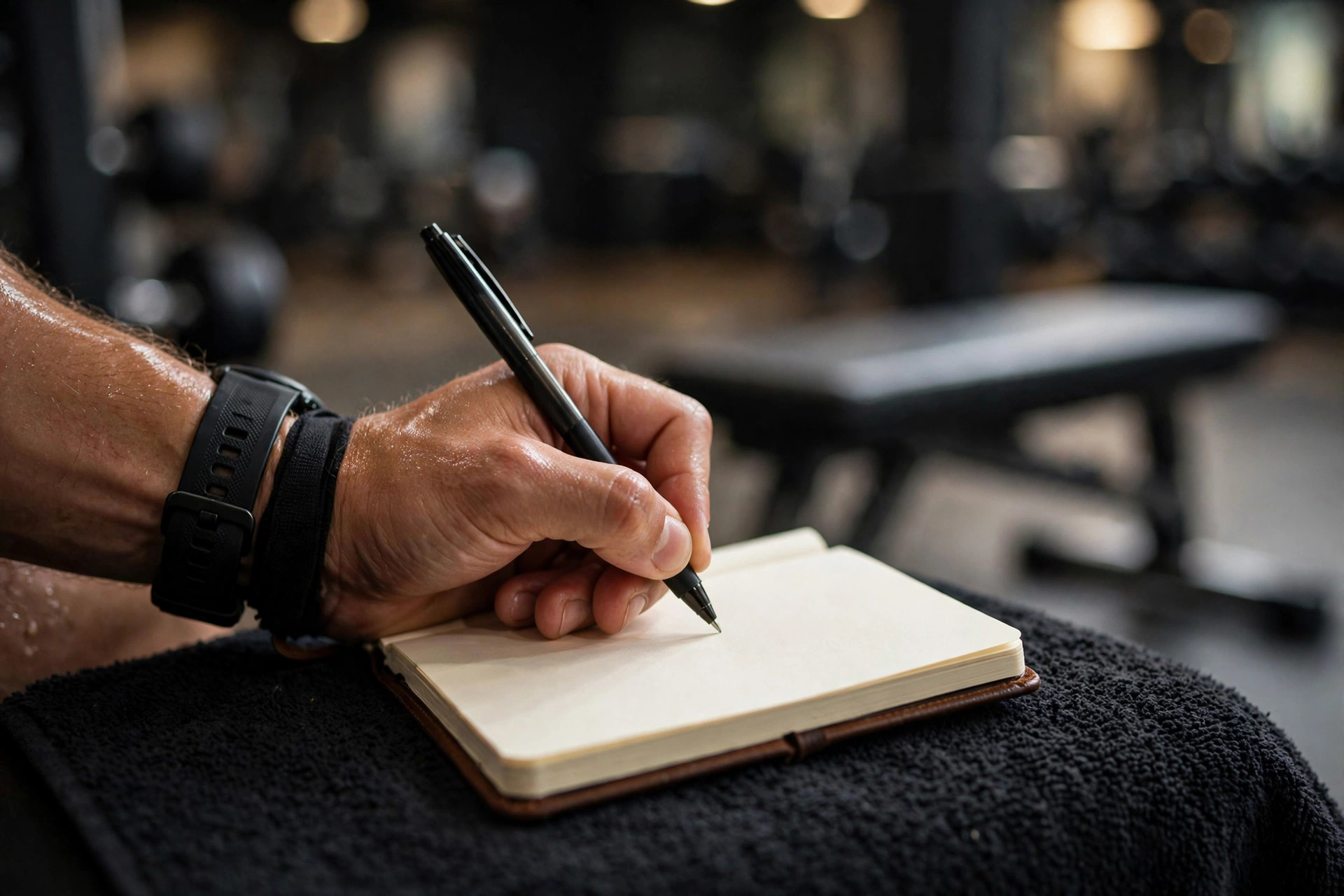
After competition, ten minutes, three questions. What went well? Two things. What broke down? Be specific, not self-attacking. What will I adjust? One change, not ten. This turns losses into data. I keep mine in my phone’s notes app.
8. Mindfulness: Train Your Attention
Competition yanks your focus into the past or future. Five minutes of daily breath-focused meditation trains you to notice the drift and return to the present, where your best performances live.
How to Build Mental Resilience FAQs
Can mental resilience be learned, or are you born with it?
Learnable. Research shows mental skills improve with deliberate practice, same as physical ones. Some people start with a head start, but structured mental toughness training closes the gap fast.
How long does mental toughness training take to work?
Most athletes notice changes in four to six weeks. Better focus, calmer nerves, quicker recovery from mistakes. Deeper resilience usually takes a full season.
What’s the difference between visualization and just thinking about winning?
Visualization is structured, first-person rehearsal of the actual performance, including the hard moments. Thinking about winning is outcome fantasy. One prepares your brain. The other just feels nice.
How to Build Mental Resilience: Final Thoughts
Learning how to build mental resilience for athletes isn’t about becoming unshakeable. It’s about becoming recoverable. Miss the shot, take the next one anyway. Start with two or three techniques, practice them under mild stress, and let them compound. Small reps, repeated. That’s real mental toughness training.
This article is for informational purposes only and is not medical or psychological advice. If you’re dealing with anxiety, depression, or an eating disorder, please consult a qualified mental health professional.