
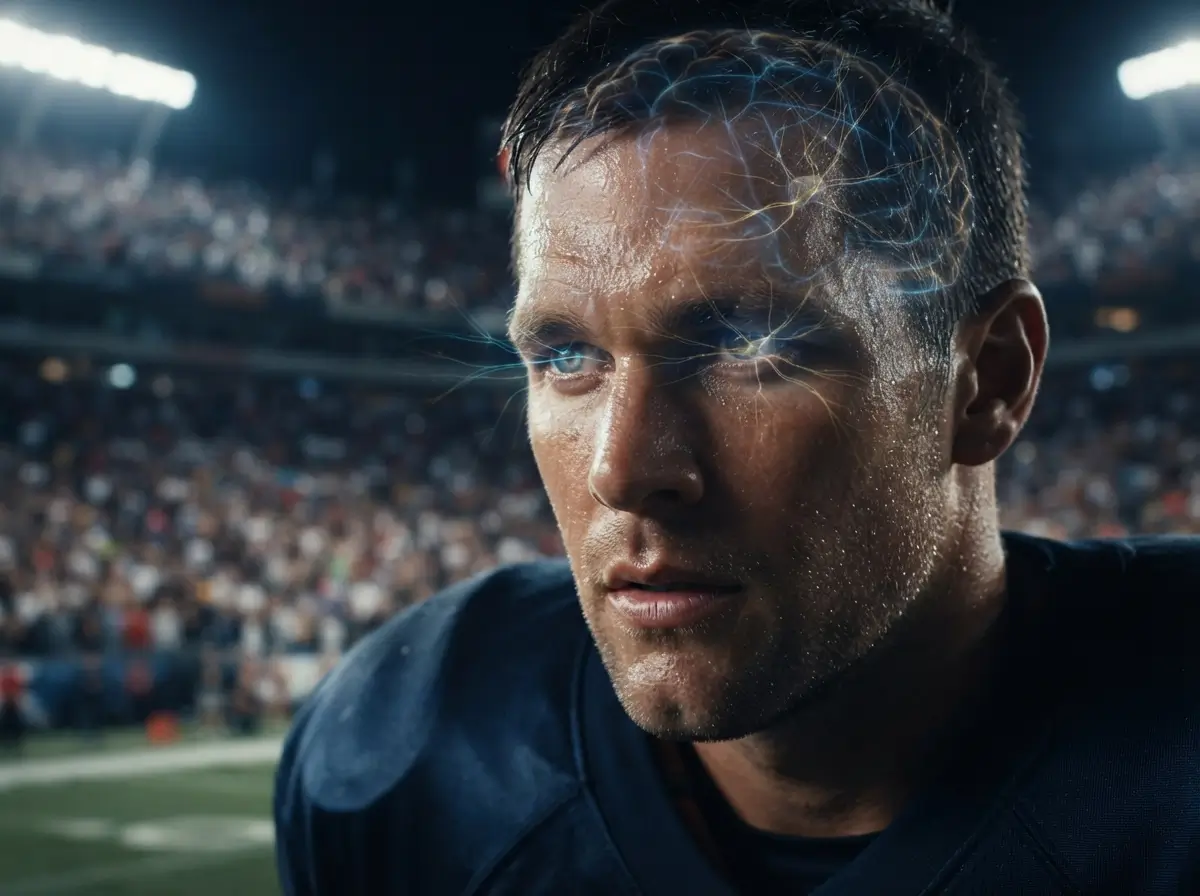

The human brain is often compared to a supercomputer, but for an athlete, it operates more like a high-performance engine running at maximum RPM. Whether it’s a quarterback processing a defensive coverage in split seconds, a gymnast executing a mid-air twist, or a sprinter reacting to the starting gun—the mind dictates the body’s success.
Yet, when this internal engine misfires due to immense psychological stress, the entire physical system collapses.
Historically, the sports industry has treated athletes as physical commodities, prioritizing muscle mass and stamina while completely ignoring emotional well-being. However, the tide is finally turning. In 2026, mental health is no longer a taboo subject in sports; it is recognized as a core pillar of athletic performance, career longevity, and human welfare.

The Hidden Pressures: Why Athletes Crack Under the Surface
Modern sports culture often demands absolute perfection, creating a toxic breeding ground for psychological distress. Athletes don’t just play against an opponent; they fight a multi-front war against external expectations:
- The Perfection Trap: Fans and media demand flawless execution every single game, leaving no room for human error.
- The Core Authority: Coaches often push for 100% cognitive focus, pushing physical boundaries without checking emotional reserves.
- The Commercial Burden: Sponsors tie financial stability to a carefully curated, unblemished public image.
When an athlete’s self-identity becomes entirely dependent on their trophy cabinet, the risk of an emotional crash skyrockets.
The Psychological Trauma of Physical Injuries
While a torn ACL or a fractured bone is clearly visible on an MRI, the invisible psychological wound of an injury is far more devastating. For a professional or student-athlete, an injury doesn’t just mean physical pain; it triggers a cascade of identity crises:
- Loss of Livelihood: For pros, their body is their business.
- Isolation: Being removed from the team environment cuts off their primary social community.
- No Stress Coping Mechanism: Exercise is usually their main outlet for releasing stress, and losing it can instantly trigger clinical anxiety or situational depression.
5 Most Common Mental Health Issues in Modern Sports
Athletes are exceptional physical specimens, but their neurology is just as vulnerable to disorders as anyone else’s—often amplified by chronic high-stress environments.
| Condition | Primary Trigger in Sports | Major Symptoms / Impact |
| Performance Anxiety | High-stakes environments, fear of failure. | Cognitive freezing, panic attacks, muscle tightness. |
| Athlete Burnout | Chronic overtraining, lack of recovery. | Emotional exhaustion, drop in physical output, loss of passion. |
| Clinical Depression | Sudden career-ending injuries, forced retirement. | Prolonged feelings of emptiness, insomnia, low self-worth. |
| Eating Disorders | Aesthetic/Weight-class sports (Gymnastics, Wrestling). | Unhealthy caloric restriction, body dysmorphia, metabolic damage. |
| Sleep Disturbances | Elevated cortisol levels due to pre-game stress. | Chronic insomnia, slow reaction times, poor muscle recovery. |
How Optimizing Mental Health Directly Improves Athletic Output
Taking care of the mind isn’t just about preventing a crisis—it is a direct performance enhancer. When an athlete achieves emotional stability, their body enters a state of optimal physiological functioning:
- Sharper Cognitive Processing
Reduced anxiety calms the amygdala, allowing the prefrontal cortex to make faster, cleaner tactical decisions during high-speed plays.
- Faster Physiological Recovery
High stress floods the body with cortisol (the stress hormone), which actively slows down muscle tissue repair. Lowering psychological stress accelerates muscle rebuilding and reduces systemic inflammation.
- Prolonged Career Longevity
Athletes who actively practice mindfulness and stress management are significantly less likely to experience early retirement due to mental burnout.
Building a Sustainable Sports Ecosystem
To protect the future generation of sports superstars—from high school fields to the Olympic arena—the entire system must evolve.
- Integrate Full-Time Sports Psychologists: Mental conditioning experts should be permanent members of the coaching staff, not just emergency contacts after a crisis.
- Normalize “Mental Health Days”: When elite global athletes sit out a competition to protect their psychological well-being, it sets a powerful precedent for student-athletes to seek help without feeling weak.
- Train Coaches in Emotional First Aid: Coaches must be trained to recognize the early signs of burnout and depression, pivoting away from the outdated “tough it out” mentality.
True athletic resilience isn’t about burying your emotions; it’s about having the structural support to process them. By treating mental health with the same scientific rigor as physical conditioning, we ensure that athletes don’t just win on the field—they thrive off it.
Frequently Asked Questions (FAQs)
Why is mental health so critical for an athlete’s physical performance?
The brain directly controls motor skills, focus, and recovery. A compromised mental state degrades spatial awareness, increases response times, elevates injury risks due to lack of focus, and chemically slows down muscle recovery by keeping cortisol levels high.
What are the earliest signs of athlete burnout?
The most common early indicators include a sudden drop in athletic performance despite continued training, chronic physical fatigue that doesn’t improve with rest, unusual irritability or mood swings, and a growing resentment or lack of interest toward the sport they used to love.