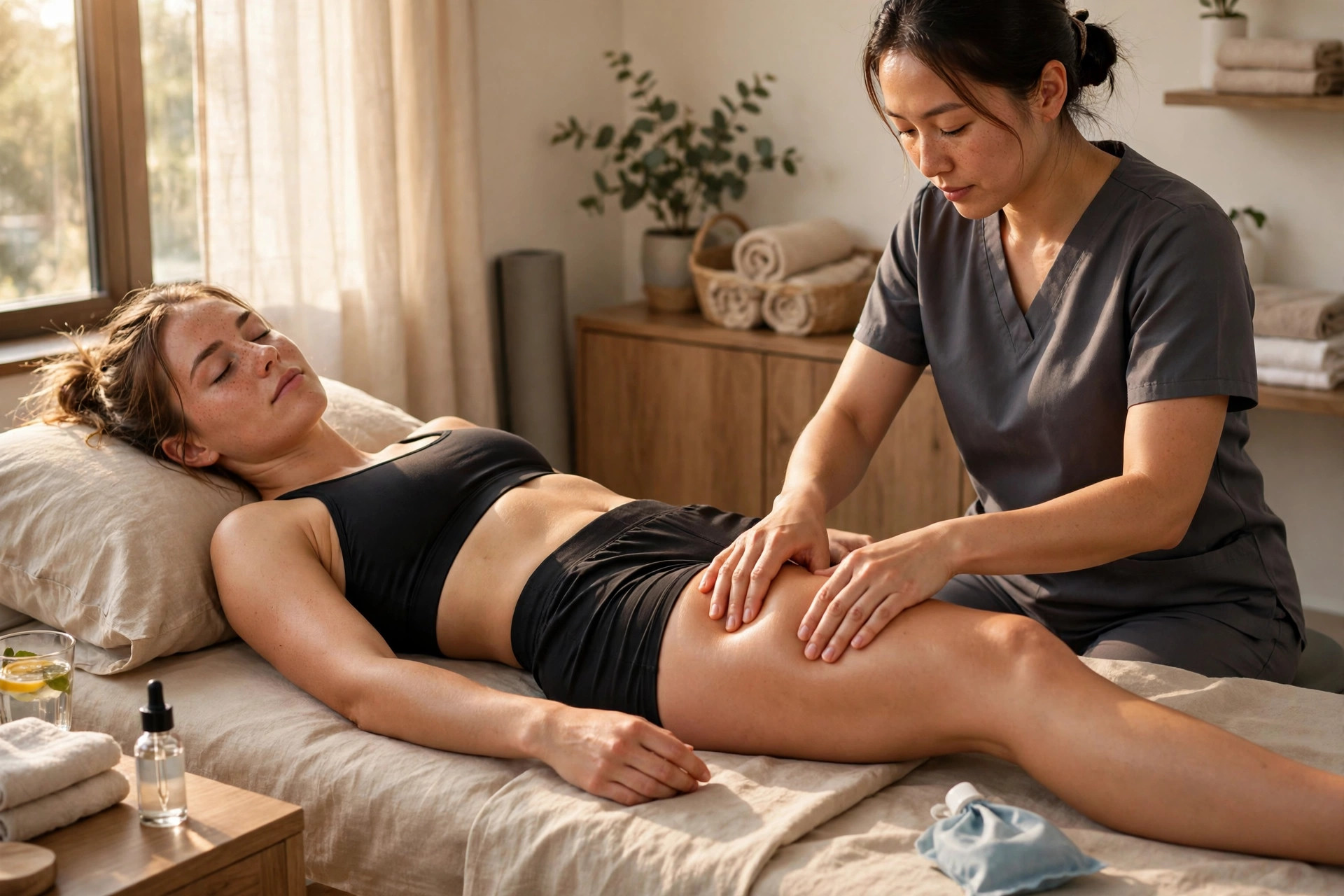

Last month I watched a teammate spend $180 on a “lymphatic drainage reset” at a recovery spa. Ninety minutes later she walked out glowing — face less puffy, legs looking leaner. At the next morning’s track session? Sore anyway. Same grimace on the hills. So is lymphatic drainage for athletes a genuine recovery tool, or just a very expensive massage with good lighting?
Search interest in lymphatic drainage has exploded in 2026. It’s all over fitness TikTok, pros post their compression boots on Instagram, and clinics sell packages like concert tickets. When everyone’s paying for something, my instinct as a trainer is to ask one question before anyone else does: what does the evidence actually say?
What Lymphatic Drainage Actually Is (and Isn’t)
Your lymphatic system is your body’s drainage network. While your heart pumps blood in a closed loop, lymph — the clear fluid carrying immune cells and waste — moves through its own vessels with no central pump. It relies on muscle contractions, breathing, and movement to keep flowing.
Manual lymphatic drainage (MLD) is a gentle massage technique developed for lymphedema, a real medical condition where the lymph system fails and fluid pools in the limbs. The strokes are deliberately light and rhythmic, aimed toward the lymph nodes. A good therapist barely seems to be pressing at all.
That origin matters. The athletic version is a borrowed therapy. In a healthy athlete, the lymph system already works — so the question isn’t whether drainage helps lymphedema (it does; that’s well established). It’s whether a working system can be nudged into working faster after hard training. Very different claim.
What the Research Says About Athletes
This is where I stopped scrolling comments and started reading studies, and honestly, this part surprised me.
In 2026, researchers published a small randomized trial in healthy adults testing one MLD session after high-intensity interval training. Thirty people — one group got 35 minutes of MLD, the other just rested. They measured lactate, oxidative stress, and antioxidant capacity. The MLD group’s numbers moved in the right direction, but the differences between the groups weren’t statistically significant. Translation: it seemed to help, but the study was too small to say so confidently.
An older study on 80 mixed martial arts fighters found more encouraging results: after a muscle-fatigue test, those who got MLD, deep oscillation, or electro-stimulation drainage recovered forearm strength better than controls, with lower lactate and muscle tension. Real athletes, real effect — but small sample, specific muscles.
The counterweight: one review found no evidence that MLD after strenuous exercise restores muscle performance. Sports massage did cut delayed-onset soreness by about 30% in one trial — but MLD’s feather-light strokes are a different technique, so those results don’t transfer.
My read as a trainer: the evidence for lymphatic drainage for athletes is promising but thin. It probably helps with perceived soreness, heaviness, and swelling. It probably won’t magically restore your strength numbers. The big, rigorous trial hasn’t been run yet.
The TikTok Version vs. Reality
Here’s where the money gets wasted — the internet’s version of what this does.
“It detoxifies your body.” Nope. Your liver and kidneys handle detox, 24/7, no massage required. In a healthy body, MLD doesn’t meaningfully accelerate detox. Clinicians have said this directly — the claim exploits a real biological process and misapplies it.
“It melts fat and sculpts your body.” The de-puffed look after a session is real — you’re redistributing fluid, and fluid shows in the mirror. But that’s temporary, not fat loss. Weight loss simply isn’t among MLD’s evidence-based benefits for healthy people.
“Everyone should do it regularly.” Not supported — and potentially harmful for some. Undiagnosed blood clots, heart failure, or active infection plus fluid redirection can cause real harm. That’s why trained therapists screen you first. This detail never makes the trend videos.
So the honest framing: a gentle, relaxing recovery aid with modest evidence — not a detox machine, not a shortcut to abs.
When It’s Actually Worth Trying
“Modest evidence” doesn’t mean “worthless.” I’ve talked with athletes who swear by it, and there are situations where it genuinely makes sense.
After travel and competition. Long flights plus intense effort equals swollen ankles and heavy legs. That’s the scenario where moving fluid addresses the actual problem — and compression boots (pneumatic compression mimicking the muscle pump) do a similar job for far less per session.
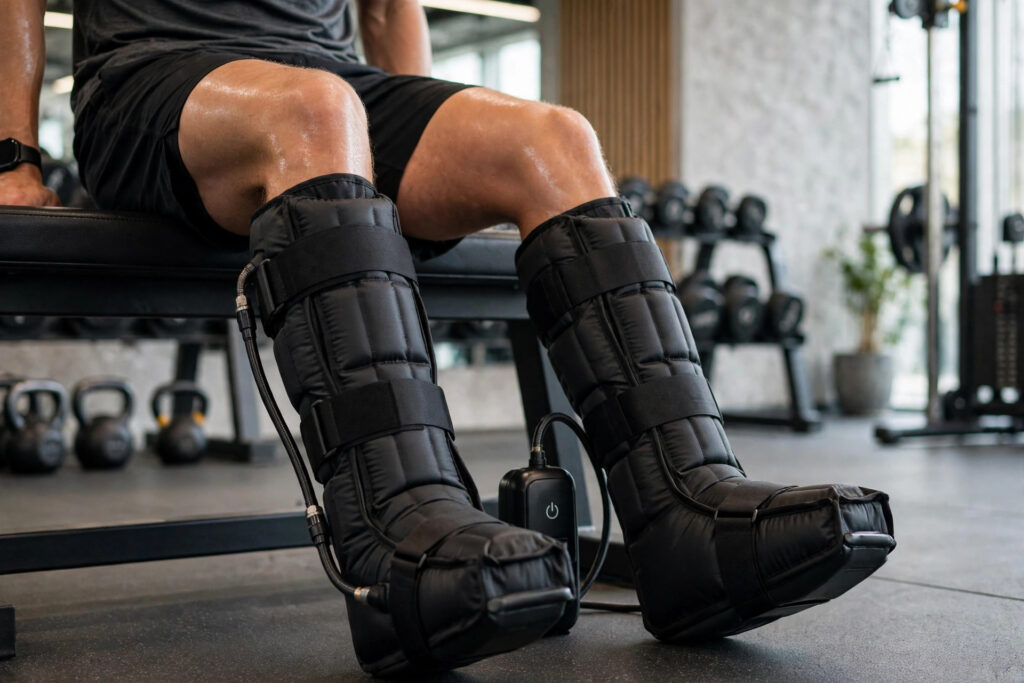
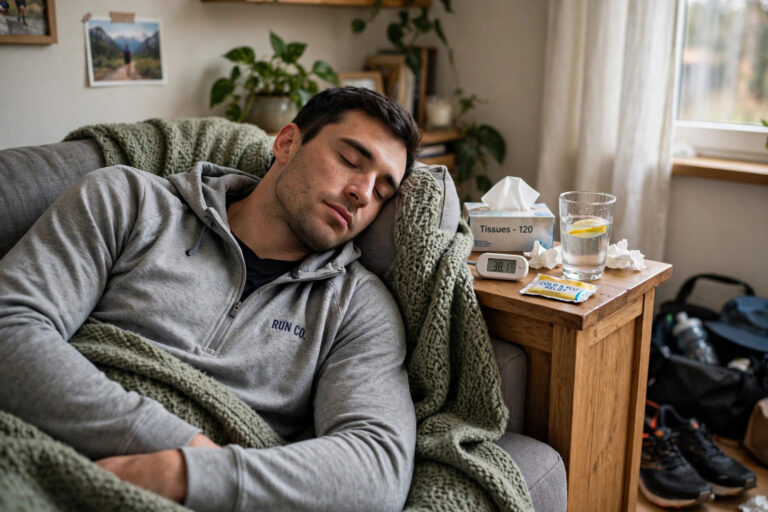
When soreness is the limiter. If heavy legs are stopping you from hitting planned sessions — the same way coming back too fast after illness derails training — anything that reduces perceived soreness has practical value. Recovery tools don’t have to be magic; they have to get you to the next workout.
As a complement, not the foundation. The athletes getting real value pair it with the boring basics: sleep, hydration, protein, sane training loads. I’ve seen the same pattern with weighted vests — gadgets work best when the foundation’s already there.
The Simple Version You Can Do at Home
You don’t need a $180 session to try the core idea. The lymph system responds to gentle movement more than expensive interventions:

- Walk. Ten easy minutes after a hard session beats sitting. Your calves are called the “second heart” for pumping fluid upward.
- Try gentle self-massage. Light strokes toward the nearest lymph nodes — collarbones, armpits, groin — for five minutes. If you have to press hard, you’re pressing too hard.
- Elevate. Legs up the wall for five minutes after a session lets gravity finish the job. Free, boring, weirdly effective.
- Breathe deep. Slow diaphragmatic breathing changes pressure in your chest and physically draws lymph upward. Two minutes of box breathing — a recovery tool you already own.
Does lymphatic drainage help with DOMS (delayed-onset muscle soreness)?
Maybe, modestly. Small studies show reduced perceived soreness and muscle tension, but evidence is limited and mixed. Sports massage has stronger evidence for DOMS specifically. Reasonable to try — just don’t expect a miracle.
Is lymphatic drainage safe for everyone?
No, and this matters more than trend posts admit. Skip it with blood clots or clot risk, heart or kidney failure, active infection, or undiagnosed swelling. A certified therapist should screen for these. The same cautions apply to self-massage.
How often should an athlete do it?
No evidence-based protocol exists for healthy athletes. Clinics sell weekly packages because that’s a business model, not a finding. If you experiment, use it around your hardest training blocks or after travel — and judge it by whether your next workouts feel better.
The Bottom Line: A Decent Supporting Act, Not the Star
My teammate’s $180 session? She still books them — before big races, after red-eye flights. Not weekly. Not as a training substitute. And honestly, that’s the sensible version: lymphatic drainage for athletes is a decent supporting act in a recovery routine, a terrible leading one.
The fundamentals haven’t changed. Train sensibly, sleep like it’s your job, eat enough protein, drink water, move gently on rest days. Get all that dialed in first — then, if you want something that feels good and might take the edge off heavy legs, book the session or strap on the boots. Just don’t skip the boring stuff to pay for it.
For the science-minded, here’s the 2026 HIIT study this piece draws on:
This article is for informational purposes only and is not medical advice. Lymphatic drainage can be unsafe for people with blood clots, heart or kidney failure, infections, or undiagnosed swelling — consult a qualified healthcare professional before trying it.