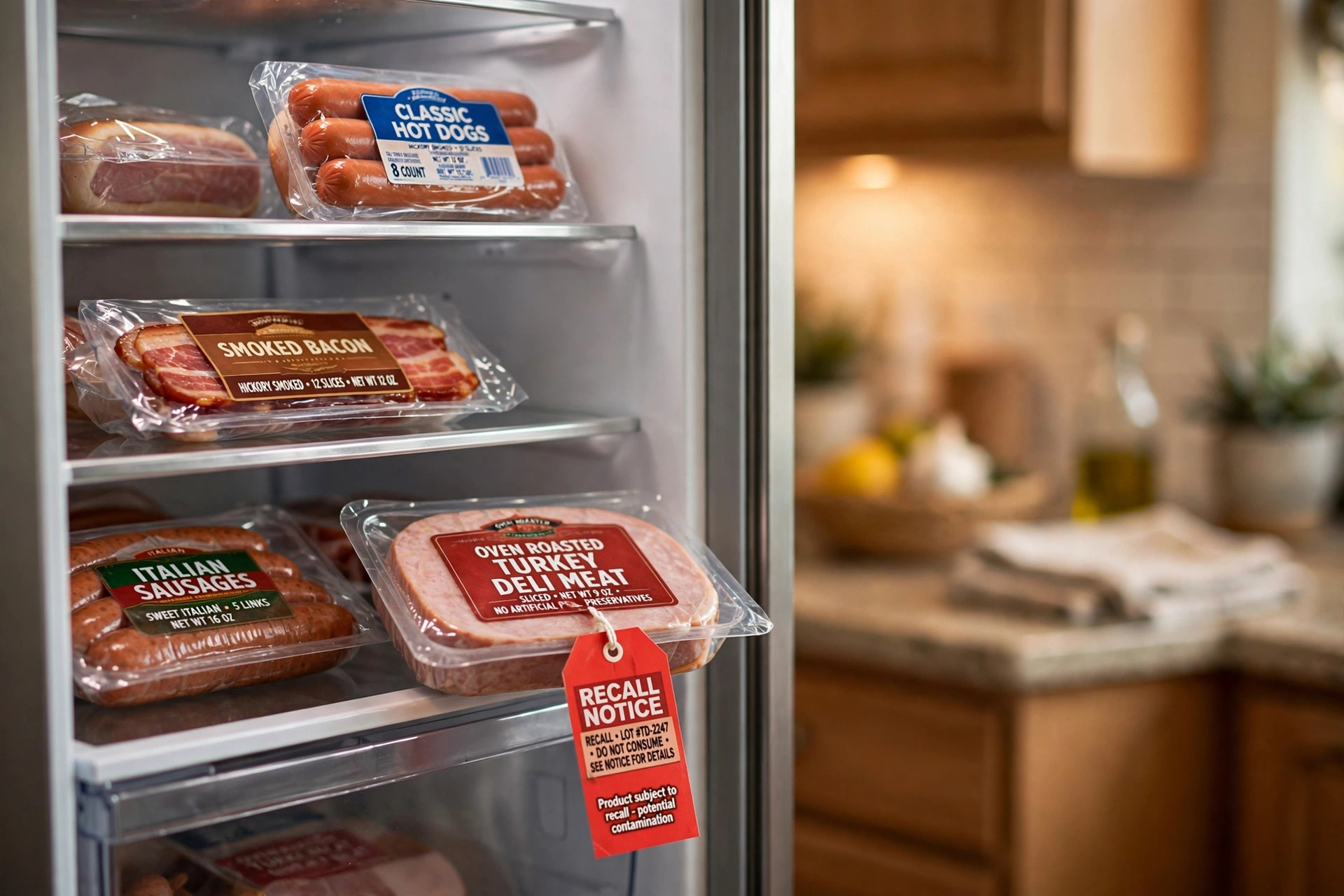

Go look in your fridge. I’ll wait.
If you’ve got hot dogs, bacon, deli ham, or sausages sitting in there — the stuff you throw on the grill on game day or slap between bread for a quick post-workout sandwich — there’s a decent chance it came from a company that just issued one of the biggest meat recalls of the year.
On October 17, Kayem Foods Inc. of Chelsea, Massachusetts, recalled roughly 1,584,361 pounds of ready-to-eat meat and poultry products. The U.S. Department of Agriculture’s Food Safety and Inspection Service gave it a Class I rating — the most serious level the agency has. And here’s the part that should get your attention: the problem wasn’t contamination at the factory. It was the temperature of the warehouse.
Let me explain why that matters more than it sounds, which products to hunt for in your kitchen, and exactly what to do if you find them.
It started with a warm delivery
This whole thing began with one customer who thought something felt off. On October 1, a retail buyer told Kayem Foods that its products were arriving at the loading dock warmer than they should have been. Not spoiled-smelling, not visibly damaged — just warm.
Kayem investigated and found the culprit: a warehouse cooler storing its ready-to-eat products had been running at the wrong temperature. A cooling system malfunction, quietly letting food drift out of the safe zone during storage — and, according to the company, the affected goods kept shipping from June 7 through October 14.
That’s more than four months of hot dogs, bacon, and deli meat moving through stores and restaurants before anyone caught it.
What’s actually on the recall list
This isn’t just one brand or one product line. The recall covers products made between approximately March 31 and October 7, 2026, shipped to stores and food-service locations nationwide — plus Hong Kong. The full list includes hot dogs, sausages, bacon, ham, turkey, bologna, kielbasa, brisket, and meatballs.
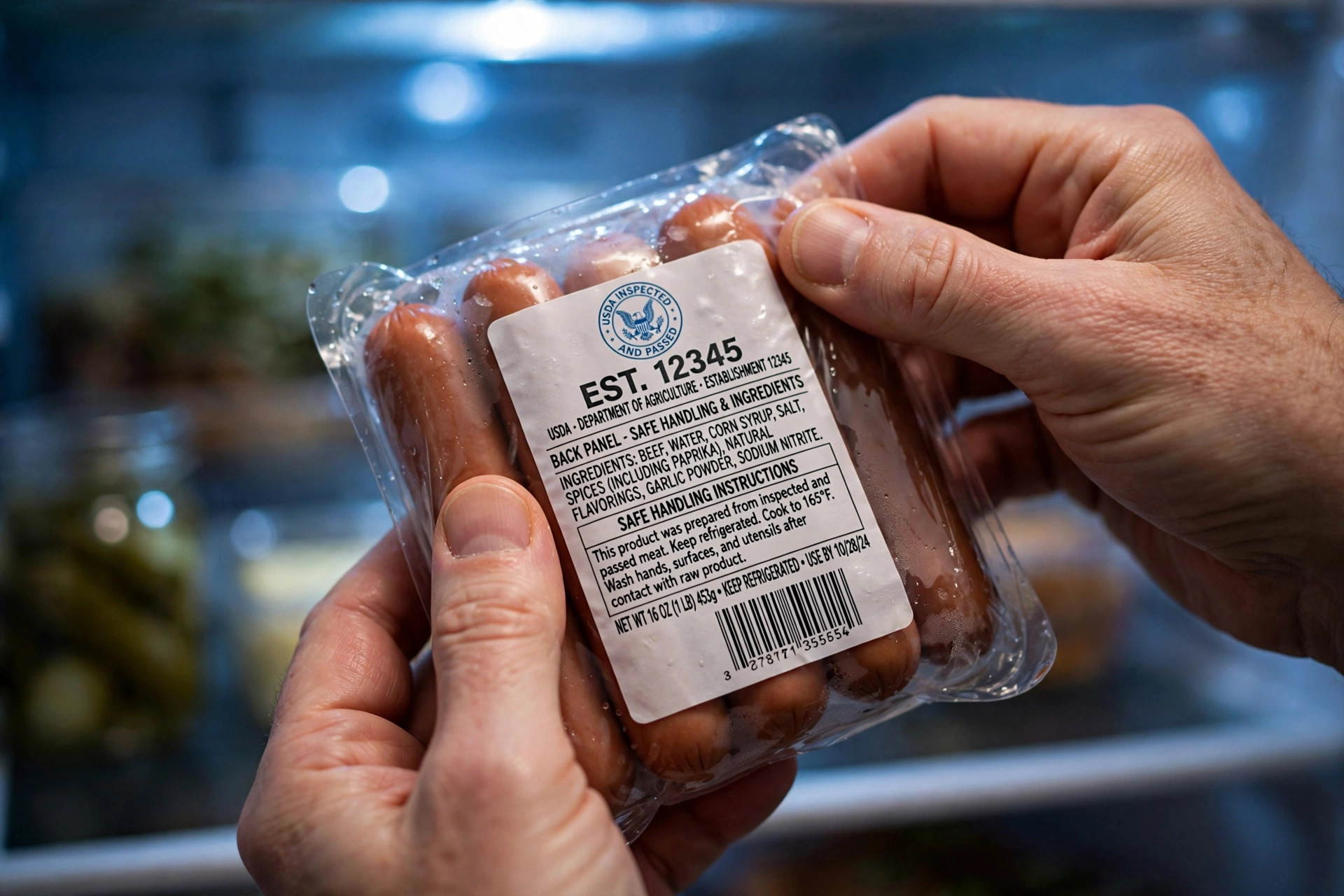
The brands involved are Kayem, Al Fresco, McKenzie, Triple M, Deutschmacher, Jordan’s, Genoa, Essem, and Winnisimmet. Here’s how to spot them: look for the establishment numbers “EST. M/P 7839,” “EST. P 20935A,” or “EST. M 9520” printed inside the USDA mark of inspection on the package.
No illnesses had been confirmed when FSIS announced the recall. That’s genuinely good news — but the agency flagged it Class I anyway, meaning it believes there’s a reasonable chance of serious harm if contaminated food gets eaten. And officials are blunt about one thing: some of this product is probably still sitting in people’s refrigerators right now.
Why “it got a little warm” is a bigger deal than you think
Food safety folks talk about the “danger zone” — the range between 40°F and 140°F where bacteria can multiply fast. Ready-to-eat meats are supposed to stay cold continuously, from the plant to your plate. When they don’t, harmful bacteria can grow to dangerous levels without changing the smell, taste, or look of the food one bit.
That’s the truly unsettling part. You can’t sniff-test your way out of this. A package of hot dogs that sat too warm in a warehouse looks and smells exactly like a safe one. It grills up the same. You’d have no idea — until hours later, maybe.
Now, for most healthy adults, a bout of food poisoning is miserable but survivable. But for kids, older adults, pregnant women, and anyone with a weakened immune system, it can turn serious fast. That’s the logic behind the Class I rating. If you’re an athlete meal-prepping turkey breast or tossing bacon into post-training meals, you’re exactly the kind of person who should care about where your protein comes from — and how it was stored before it reached you.
What to do right now (the 5-minute fridge audit)
This takes less time than your warm-up. Open your fridge and your freezer, and check every package of hot dogs, sausages, bacon, deli ham, turkey, bologna, kielbasa, or meatballs:
- Check the brand and product name against the recall list on the FSIS website.
- Look for the establishment numbers (EST. M/P 7839, EST. P 20935A, EST. M 9520) inside the USDA inspection mark.
- Check the production dates — the recall window covers products made from about March 31 through October 7, 2026.
If a package matches: do not eat it. Throw it away or take it back to the store for a refund. If you’re unsure about a product, the safe move is the same one food safety officials recommend every time: when in doubt, throw it out.
While you’re at it, this is a good excuse to rethink the low-effort processed stuff crowding your shelves anyway. Recent research on ultra-processed foods suggests they carry their own longer-term costs for your brain and body — and your fridge probably has better uses for that space, like real high-protein snacks that actually fuel your training.
Don’t forget your freezer
Here’s the detail most people miss: frozen doesn’t fix this. Freezing stops bacteria from growing, but it doesn’t kill the bacteria that already grew during temperature abuse. Thaw that package in January, and everything wakes right back up.
If you froze any of the recalled products before October 17, they’re still recalled. Pull them out, check the labels, and toss or return anything that matches. Your freezer isn’t a time machine — it just hit pause.
How to catch the next recall before it catches you
This won’t be the last one. Food recalls happen regularly, and the difference between a close call and a hospital visit is usually just information. A few habits worth building:
- Sign up for FSIS recall alerts at fsis.usda.gov — you’ll get notices the day they’re issued.
- Know your brands. Recalls often cover multiple brand names from one company, like this one did with its nine brands.
- When buying perishables, shop cold. Bags of deli meat sitting in a warm car on a summer day recreate the exact same “temperature abuse” problem in your own kitchen. Get groceries home fast, especially in summer.
I check my own fridge after every major recall now. It takes five minutes, and honestly, it feels like the easiest health insurance there is.
Frequently asked questions
Can I just cook the meat really well to make it safe?
Not reliably, and FSIS doesn’t recommend trying. Some bacteria produce toxins that survive high heat — you could kill the bacteria and still get sick from what they left behind. The recall says throw it away or return it. Follow that.
I already ate some of these products. Should I be worried?
No illnesses had been confirmed at the time of the announcement, so don’t panic — but stay alert. Watch for symptoms like nausea, vomiting, diarrhea, or fever in the days after eating. If anything shows up, contact your healthcare provider. And keep the packaging if you can; it helps officials trace the issue.
Does freezing kill bacteria from temperature abuse?
No — this is one of the most common food safety myths. Freezing only pauses bacterial growth; it doesn’t reverse it. A recalled product that was frozen is still recalled. Check it, toss it, or return it.
The bottom line: your fridge is part of your training
We spend a lot of time optimizing what we eat — protein timing, what to eat before a workout, recovery meals, supplements. But none of that matters if the food itself isn’t safe. This Kayem Foods recall is a reminder that food safety isn’t some abstract government concern; it starts with a cooler in a warehouse in Massachusetts and ends at your kitchen table.
So take the five minutes. Check the labels. Clear out anything that matches. Then restock with food you actually trust — your body has enough to recover from without fighting off a foodborne illness on top of training.
This article is for informational purposes only and is not medical advice. If you believe you’ve consumed a recalled product and feel ill, contact a healthcare provider. For official recall details, always check the USDA FSIS website.