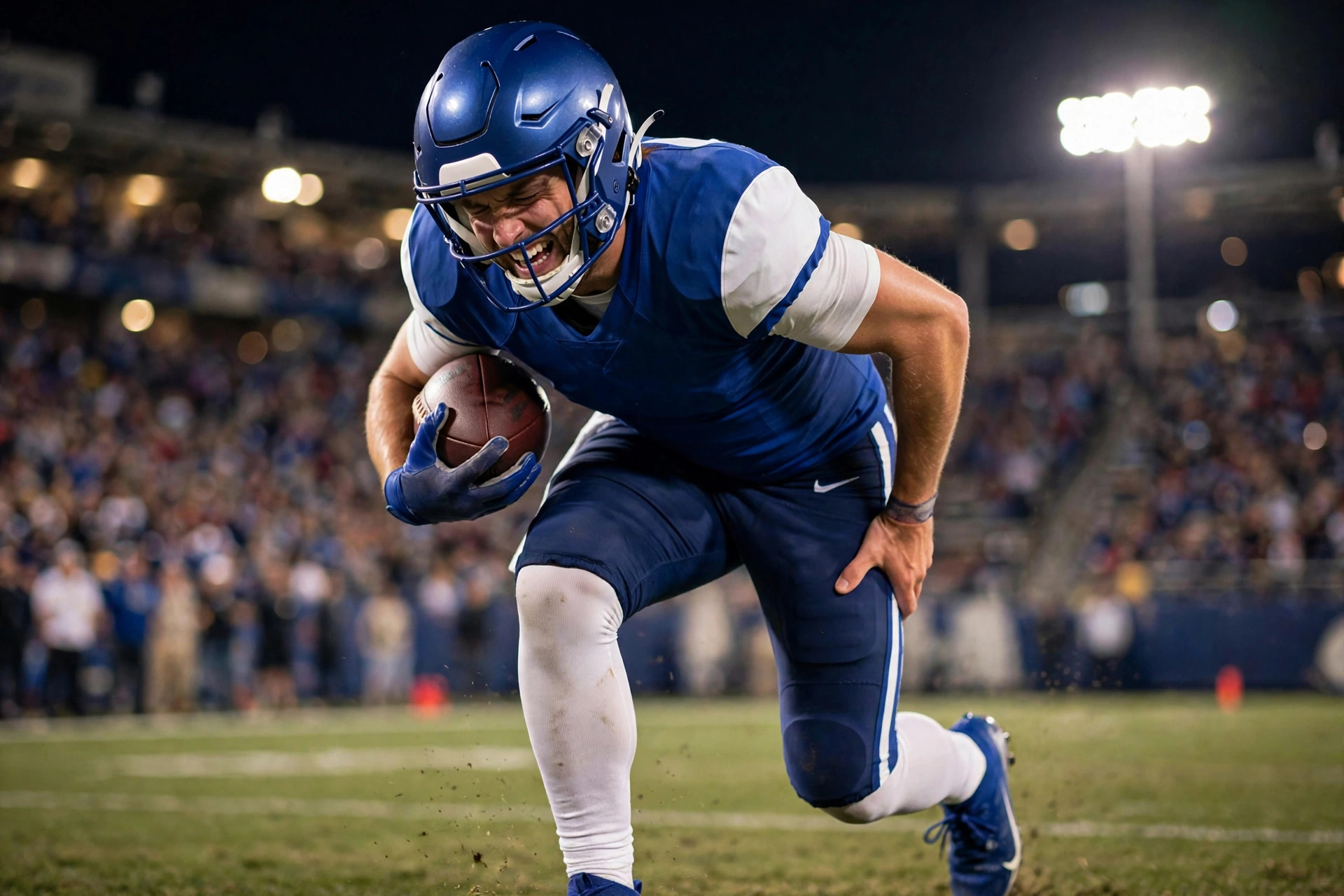

When Caleb Williams took off on that red-zone scramble in Week 2, he thought somebody had grabbed him from behind. He looked back. Nobody was there. What he’d felt was a pop — the kind of pop that made 65,000 people at Soldier Field hold their breath. His right hamstring had torn, and just like that, the Bears’ season turned into a three-game experiment in life without its franchise quarterback.
Today, Williams is back. After a full week of practice with no setbacks, he’s expected to start against the Atlanta Falcons. Three weeks out, three games missed, and a question every athlete asks when that pop hits: how long until I’m me again?
Here’s the uncomfortable truth. The hamstring is the most re-injured muscle group in sports, and roughly one in three athletes who tear one will tear it again. But there’s a playbook that works — and Williams’ comeback is a textbook example of it.
Why hamstrings go, and why they go again
Your hamstrings are the sprinter’s engine. When you explode out of a cut or hit full stride, they’re working at nearly 200% of their capacity — contracting hard while being stretched at the same time. That’s called an eccentric load, and it’s exactly what happened when Williams planted and pushed during that scramble.
A couple of things make these injuries especially stubborn. First, the scar tissue from a tear is never quite as flexible as the original muscle, which is why the same leg is usually where the second injury lands. Second, athletes feel good before they are good. The pain fades weeks before the tissue is actually strong again, and that’s the window where most re-tears happen.
Quarterbacks aren’t even the highest-risk group. Sprinters, soccer players, and basketball guards tear hamstrings at far higher rates. But the pattern is the same: a sudden burst, a pop, and a sideline that stretches longer than anyone wants. And as any NFL fan knows, shoulder injuries can sideline quarterbacks just as suddenly.
The recovery playbook (the real one, not the TikTok one)
Williams sat out roughly three weeks, which puts his tear at a moderate (grade 2) strain — one of three graded hamstring injuries doctors recognize. Grade 1 pulls can resolve in one to three weeks; complete ruptures (grade 3) can mean months and sometimes surgery. Here’s what a proper hamstring injury recovery actually involves, alongside the recovery techniques athletes actually rely on:
Phase 1: Calm the fire (days 1–7). Relative rest, not total couch rest. Walking is fine if it’s pain-free. The old RICE protocol has evolved — these days sports medicine favors gentle movement and protecting the muscle without freezing it in place. Anti-inflammatories are used sparingly, since inflammation is part of the healing signal.
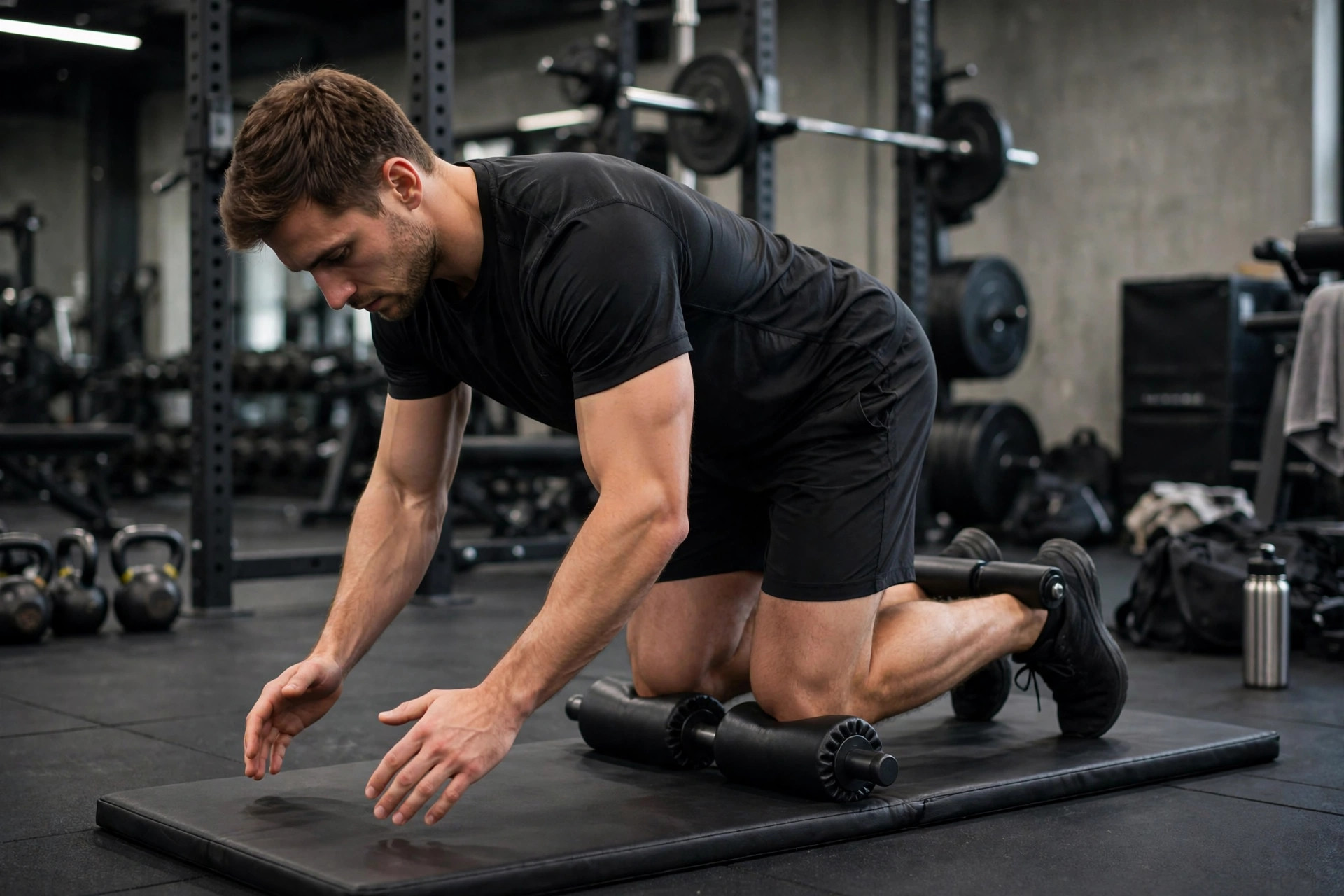
Phase 2: Rebuild the load (weeks 1–3). Progressive strengthening is where the magic happens. The Nordic hamstring curl — kneeling and lowering yourself forward with control — has the best evidence of any single exercise for this injury. Studies consistently show it cuts hamstring injury risk roughly in half when done regularly. Bridges, Romanian deadlifts with light weight, and tempo running follow.
Phase 3: Prove it (weeks 3+). This is where Williams spent his final week. Return-to-play isn’t about feeling fine — it’s about passing tests. The injured leg’s strength should be within about 90% of the healthy leg. Sprint speeds get measured. And that “full week of practice without setbacks” reporters kept mentioning? That’s the real milestone. If the hamstring flares on day two of practice, you restart the clock.
What most people get wrong about coming back
The single biggest mistake is racing the calendar. I once watched a weekend-league striker pull his hamstring on a Sunday, then talk himself into playing the next Sunday because “it felt okay.” He re-tore it in the 20th minute and missed two months instead of three weeks. Williams’ timeline is actually the disciplined version: he didn’t rush back for Week 5’s brutal loss to Green Bay, even though the team desperately needed him.
The second mistake is stretching an acute tear aggressively. Gentle range of motion, yes. Yanking a freshly torn hamstring into a deep stretch, no — that’s pulling apart tissue that’s trying to knit itself together.
The third is skipping strength work entirely and relying on ice and massage alone. Passive treatments feel nice, but only loaded exercises rebuild the muscle’s ability to absorb force.
Keeping your hamstrings out of the headlines
If you’d rather never star in your own version of this story, prevention is surprisingly simple — and it’s not “stretch more.” The evidence points to three things:
- Strengthen eccentrically. Two to three sessions a week of Nordic curls or slide-leg curls during preseason, once a week in season.
- Sprint at full effort in practice. The hamstring tears most often at top speed it hasn’t touched in weeks. Gradually exposing it to real speed is protective.
- Mind the workload spikes. Jumping from zero sprints to five a week is the classic setup. Build volume gradually — the same way smart post-workout recovery routine habits protect you everywhere else.

FAQs
How long does hamstring injury recovery take for athletes?
A mild (grade 1) strain typically needs one to three weeks; a moderate (grade 2) tear like a multi-week absence usually takes three to eight weeks; a complete rupture (grade 3) can take three months or more and sometimes requires surgery. The real answer depends on passing strength and speed tests, not just pain fading.
Can you run on a torn hamstring?
You shouldn’t sprint or play through a tear. Light, pain-free walking and easy movement are usually fine after the first few days and may even help healing. Running — especially sprinting — loads the muscle at forces that can turn a grade 1 strain into a grade 2 tear. Wait until the muscle tests strong before you open it up.
Why do hamstring injuries keep coming back?
Re-injury rates are high — around one in three — because athletes return when the pain stops rather than when the strength returns, because scar tissue is less flexible than the original muscle, and because the root cause (weakness in eccentric strength) is rarely fixed during rehab. Programs that include Nordic curls and measured return-to-play testing cut that risk dramatically.
The takeaway
Caleb Williams didn’t rush back, and that’s exactly why he’s back at all. Hamstring injuries punish impatience more than any injury in sports. If you’re nursing one, let the timeline be boring: protect, strengthen, test, then trust. And if you’re healthy, the Nordic curl is the cheapest insurance policy in athletics — your hamstrings will thank you the next time you hit full stride.
This article is for informational purposes only and isn’t medical advice. If you suspect a hamstring tear, see a doctor or sports medicine professional for diagnosis and a personalized treatment plan.