
With eight minutes left in a top-five showdown, Ohio State’s season nearly came apart on a single play.
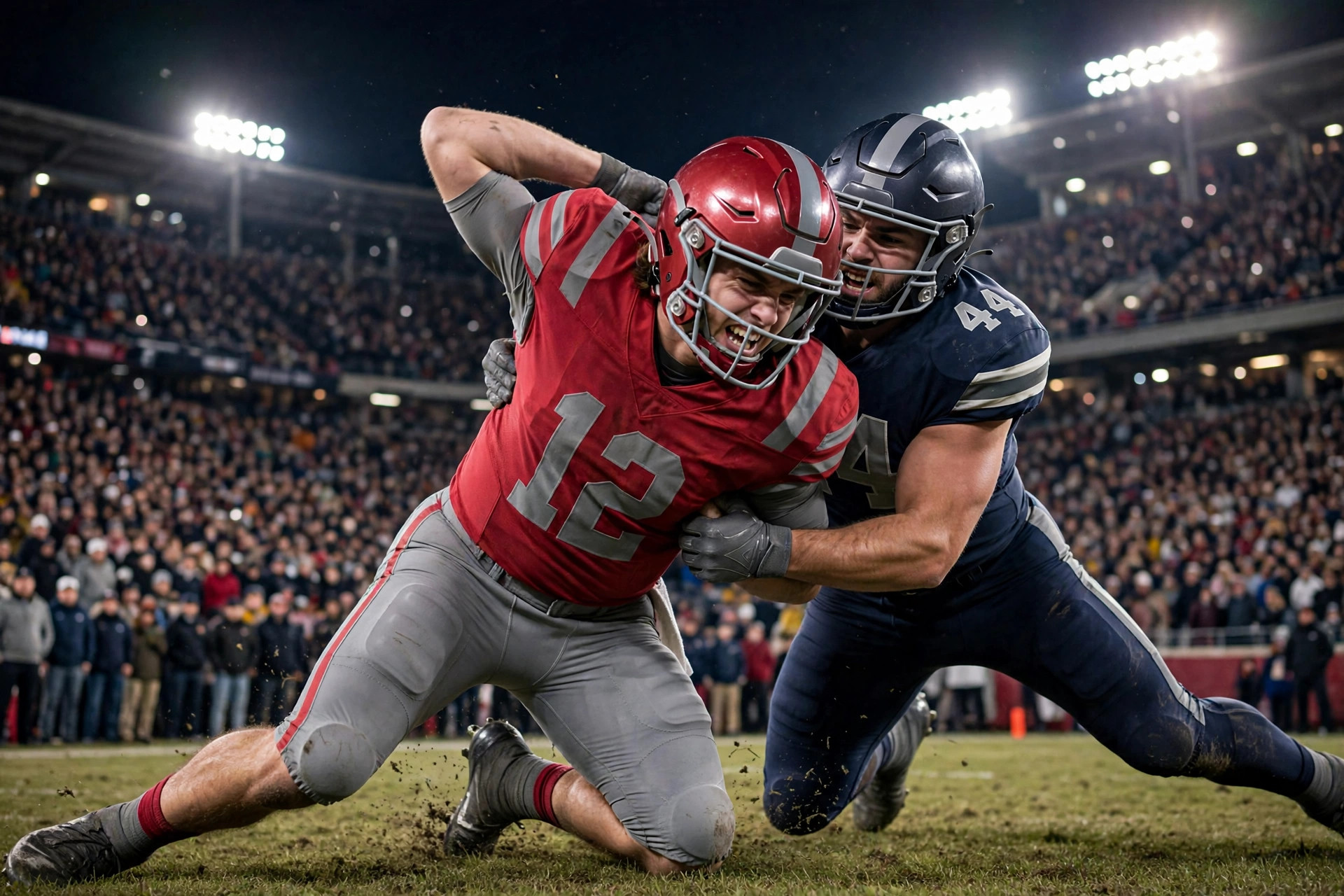
Julian Sayin — the Buckeyes’ star junior quarterback and a 2025 Heisman finalist — took a sack from Indiana’s Mario Landino and went down with his throwing arm pinned awkwardly against his body. He walked off, returned wearing a sling, and never re-entered the game. By Sunday morning, “julian sayin” had crossed 500,000 searches on US Google Trends.
Here’s why it matters beyond Columbus: a quarterback’s throwing shoulder is his career, and how Sayin’s injury gets managed over the next few weeks is a masterclass in shoulder injury recovery. Throw a football, swing a racket, press overhead — this playbook is for you.
What actually happened on Saturday
October 17, 2026, Bloomington. No. 4 Ohio State visited No. 5 Indiana and escaped with a 19-15 win that snapped the Hoosiers’ 22-game winning streak.
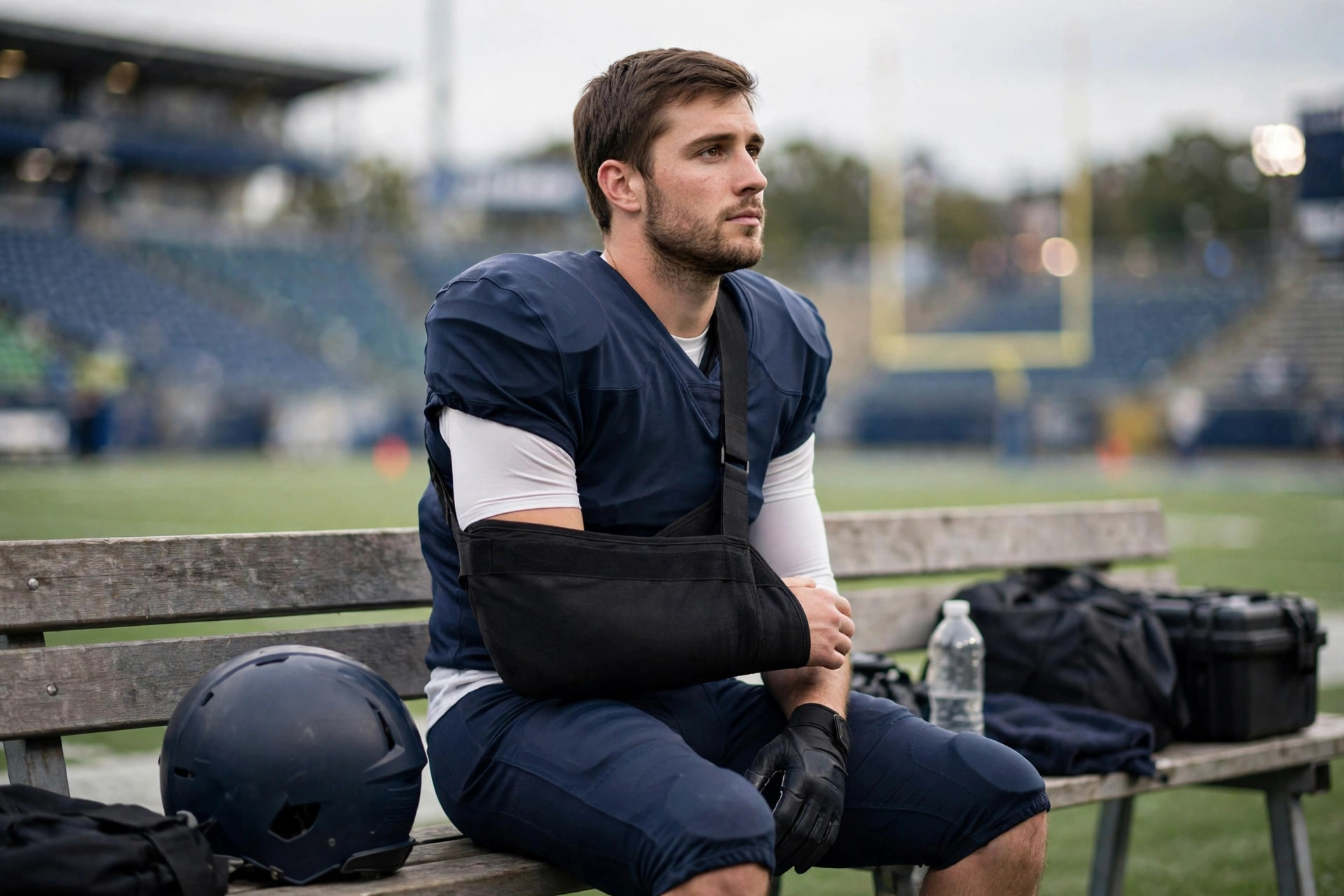
The cost: with 8:05 left in the fourth, Landino sacked Sayin as he was throwing. His right arm got pinned upward at an unnatural angle, he fumbled — an Ohio State lineman recovered — and he headed to the medical tent, then the locker room. He returned to the sideline in a sling and didn’t play another snap.
Before the injury he’d gone 15-of-29 for 235 yards, two touchdowns and two picks, including a 38-yard fourth-down strike to Jeremiah Smith that won the game. Freshman Luke Fahey replaced him and went 0-for-2.
Afterward, coach Ryan Day said Sayin would “probably be out for several weeks,” admitting he didn’t yet have full details. The Buckeyes (6-1, 4-0 Big Ten) get a bye week before a brutal stretch: USC on October 31, then Oregon, Northwestern, Nebraska, and Michigan.
What kind of shoulder injury is it?
Honestly? Nobody outside Ohio State’s medical staff knows yet — and you should be suspicious of anyone on social media diagnosing him from a replay.
The mechanism tells the story, though. A throwing arm caught mid-motion and driven upward is the classic setup for an AC joint sprain, a labral irritation, a rotator cuff strain, or a deep contusion. Walking off under his own power but ending up in a sling points to soft-tissue damage the staff wanted protected while imaging gets done. An MRI will tell the real story.
If you want the full catalog of what can go wrong in an athlete’s shoulder, the sports-medicine team at Mass General Brigham’s guide to shoulder injuries in sports lays out sprains, labral tears, rotator cuff injuries, and separations in plain language. Worth a bookmark.
Why “out several weeks” is actually useful information
Coaches speak in code, but “several weeks” translates pretty clearly:
- Not “day to day” — real tissue damage, not a stinger you walk off.
- Not “out for the season” — no feared catastrophic tear or surgery.
- It’s a diagnosis-buying window — Day admitted details were still coming. The bye week buys time for imaging and a real plan before anyone commits.
Athletes love heroic timelines (“I’ll be back Friday”). Sayin’s camp isn’t doing that, and neither should you. Vague-but-honest beats a specific lie.
The throwing-shoulder recovery playbook
I’ve watched enough weekend warriors botch this to know the order matters. This is the sequence sports-medicine doctors actually use for a throwing shoulder:
1. Protect it (days 1–7). Sling, rest, ice, anti-inflammatories only if a doctor says so. Don’t “test” the shoulder — every test is a re-injury. And guard your sleep: sleep is the most underrated performance enhancer there is, and tissue heals while you rest.
2. Get a real diagnosis. See a sports-medicine doctor, not your coach’s gut feeling. X-ray rules out fractures; MRI shows soft tissue. “It’s probably fine” turns three-week injuries into four-month ones.
3. Restore motion before strength (weeks 1–3). Supervised PT: pendulum swings, passive range of motion. Boring? Yes. Skippable? Never. A shoulder that can’t move fully can’t throw safely.
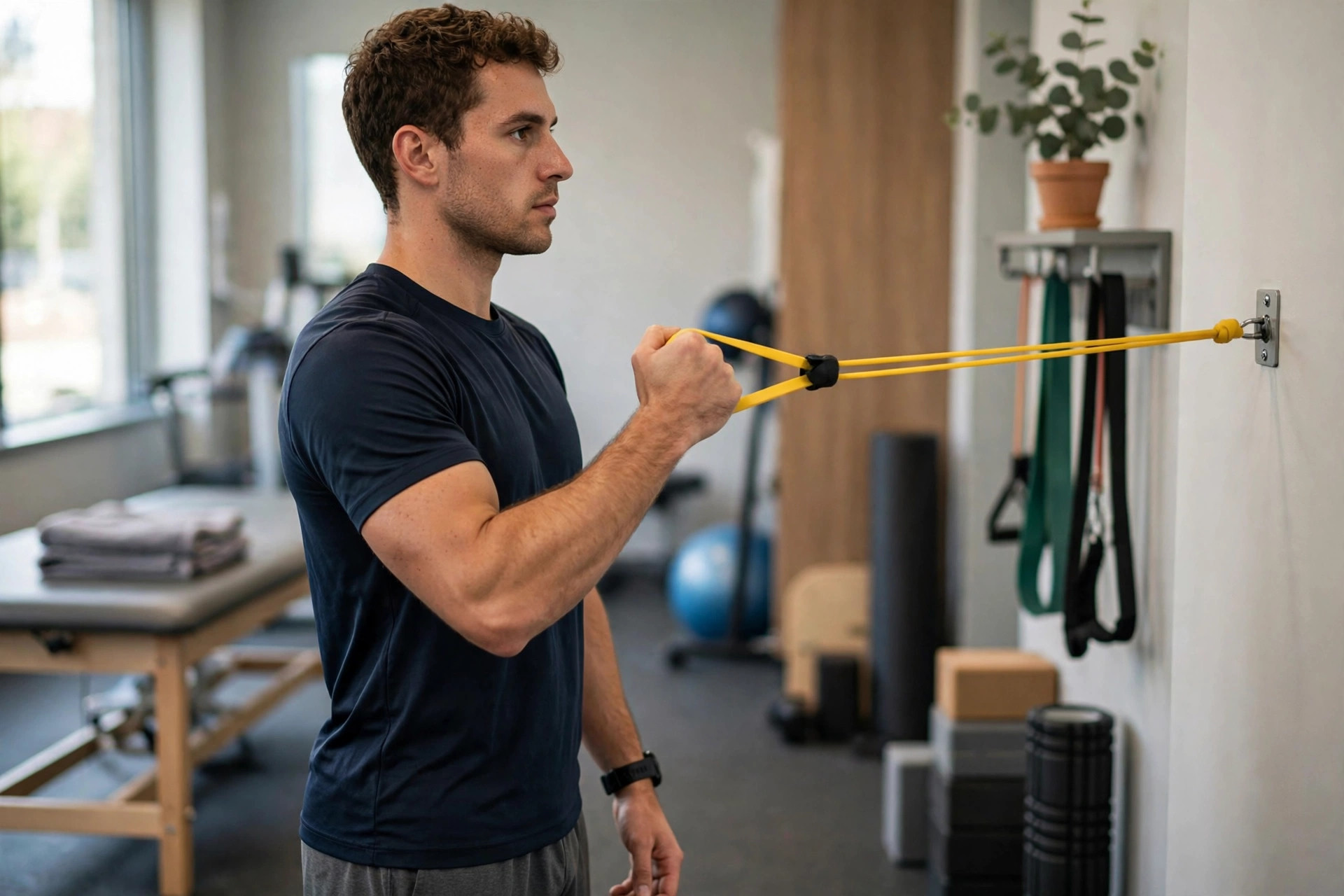
4. Rebuild the engine (weeks 3–6). Rotator cuff and scapular stabilizers with light resistance bands, gradually loaded. This is where recovery techniques that actually speed athletes back earn their keep — progressive, supervised, never rushed.
5. Return to throw in steps (week 4+). Flat ground, short tosses, then distance, then full motion — pain-free at every step, or drop back a step. That staged progression is exactly why “several weeks” is realistic for Sayin. And for you.
A flag-football buddy ignored step one and threw “just to check” two weeks after hurting his shoulder. That check turned a three-week strain into a four-month saga. The shoulder always collects its debt.
The mistakes athletes make rushing back
Sayin has Ohio State’s entire medical staff, a bye week, and no financial reason to rush. You probably have none of those — so patience matters more for you:
- The one-throw test. “Let me just see if I can throw” isn’t a test; it’s a gamble with your labrum.
- Skipping PT for the gym. Lifting around a bum shoulder builds compensation patterns that haunt you for years.
- Masking pain with pills. Pain-free because of ibuprofen is not pain-free.
- Comparing timelines to pros. They rehab full-time with daily treatment. Your timeline is yours.
Athletes are also terrible at knowing when to stop. These warning signs that it’s time to stop and get checked apply to injuries just as much as overtraining.
FAQs
Can a quarterback play through a throwing-shoulder injury?
Realistically, no. Throwing is the most violent thing a shoulder does, and an injured shoulder changes mechanics instantly — lost accuracy plus compensation injuries down the chain to the elbow. If a top-five team’s starting QB can’t finish a game, that’s your answer.
When will Julian Sayin actually be back?
Unknown — honestly. Day said “probably several weeks” with no final prognosis. The bye week helps; USC on October 31 is in serious doubt. Beyond that depends on the MRI and rehab. Watch the injury report, not the rumors.
When should YOU see a doctor for shoulder pain?
Don’t wait for a sack. Go if you can’t lift your arm overhead, pain wakes you at night, you feel weakness, numbness, or tingling, heard a pop, see deformity — or if pain hasn’t improved after a few days of genuine rest. Ignored shoulders don’t get better; they get creative.
The takeaway
Sayin’s season isn’t over — “several weeks” is the shoulder-injury sweet spot where rest, rehab, and a smart return plan usually win. Ohio State’s test is whether they protect that timeline instead of rushing him back for USC.
Yours is simpler: respect the sling phase, get imaging instead of guesses, rehab in order, and never let pride compress a timeline your shoulder hasn’t agreed to. Shoulders are patient with athletes who are patient with them — and ruthless with everyone else.
This article is for general information only and isn’t medical advice. Shoulder injuries vary widely — if you’re hurt, see a qualified sports-medicine professional for diagnosis and treatment rather than self-diagnosing.