
When I first heard someone say they were taking creatine for fat loss, I thought they’d mixed up their supplements. Creatine is the bulking one, right? The one that makes you bigger and heavier?
Well — sort of. And also, not really.
Search interest in “creatine for fat loss” has been climbing hard through 2026, and for once, the hype is pointing at something real. Creatine won’t melt fat off you. But it might be the smartest supplement an athlete can take during a cut. Here’s the full story — the science, the honest limits, and exactly how to use it.
First, What Creatine Actually Does in Your Body
Forget the marketing. Creatine is a compound your body already makes — mostly in your liver and kidneys — and stores in your muscles. Its job is simple: it helps recycle ATP, the energy currency your muscles spend during hard, explosive efforts.
Think of it like this. When you sprint, lift heavy, or push through a brutal set of squats, your muscles burn through their ready energy in seconds. Creatine tops that tank back up faster, so you can squeeze out an extra rep or two before fatigue wins.
Those extra reps add up. Over weeks of training, they mean more muscle stimulus, more strength, and better performance. This is why the International Society of Sports Nutrition calls creatine monohydrate the most effective ergogenic supplement available for high-intensity exercise capacity and lean body mass.
None of that has anything to do with burning fat directly. But stay with me — the fat-loss connection is indirect, and honestly, it’s more interesting.
Why Creatine Belongs in a Fat-Loss Plan
Here’s the problem every athlete hits when cutting: you’re eating less, so your energy tanks, your lifts stall, and your body starts eyeing your hard-earned muscle as spare fuel. Lose muscle, and you lose the very tissue that keeps your metabolism humming. That’s how cuts stall and physiques go soft.
Creatine fights that exact spiral. Here’s how.
It Protects Your Muscle When Calories Drop
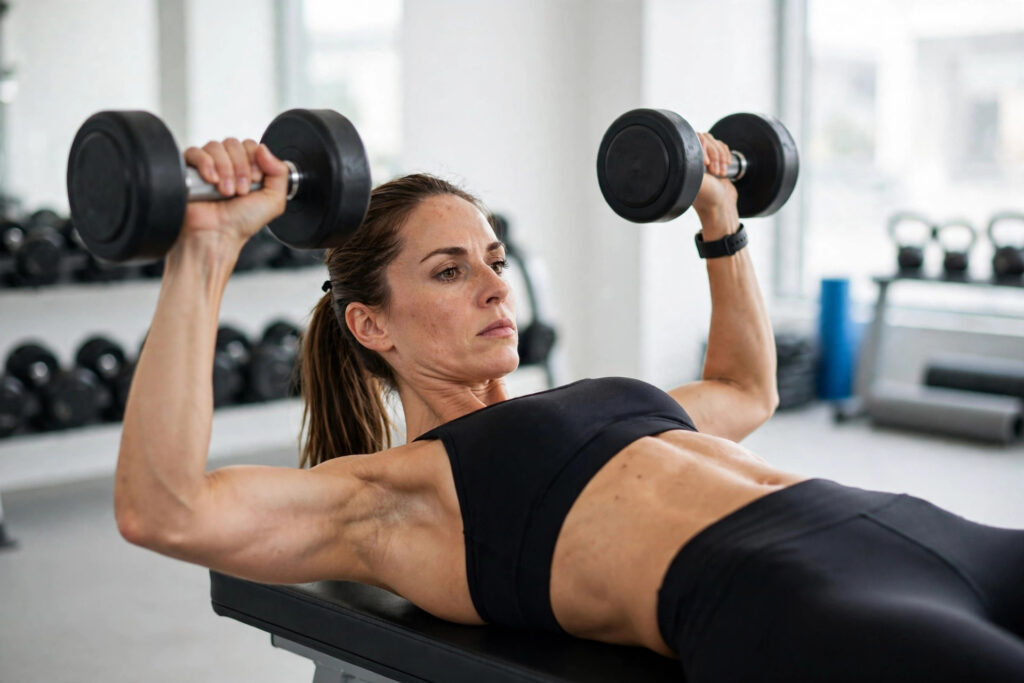
This is the big one. When you’re in a calorie deficit, holding onto muscle is the whole game — it’s what lets you lose fat and build muscle at the same time instead of just getting smaller.
Creatine helps you keep training intensity high even when you’re under-fueled. More intensity means more muscle-preserving stimulus. Multiple studies show people who supplement with creatine during a cut retain more lean mass than those who don’t. The fat loss ends up being higher-quality weight loss: more fat, less muscle.
Your Workouts Don’t Have to Suffer
Anyone who’s dieted hard knows the feeling. Week three of the cut, and suddenly your warm-up weight feels like a max attempt. Your brain checks out, your legs feel like concrete, and the session you’d normally crush turns into a slog.
That’s glycogen depletion and fatigue talking. Creatine doesn’t fix a calorie deficit — nothing does except eating — but it does keep your high-intensity output closer to normal. Athletes consistently report that their top-end strength dips far less during a cut when they’re on creatine. For a competitor trying to stay sharp while leaning out, that’s gold.
The Scale Lie (And Why You Should Ignore It)
Okay, the part nobody warns you about: creatine can make the scale go up by a kilo or two in the first couple of weeks. Cue the panic.
Here’s what’s happening. Creatine pulls water into your muscle cells — inside the muscle, not under your skin. Your muscles get fuller and more hydrated at the cellular level. That’s it. It’s not fat, it’s not bloating in the way people fear, and it has nothing to do with your actual leanness.
I learned this the hard way years ago. I started creatine during a summer cut, saw the scale jump, and nearly quit in frustration. Two weeks later my waist was down a notch and my lifts were up. The scale was lying; the mirror and the tape measure weren’t.
Track your waist, your photos, and your strength. Leave the scale alone for the first month.
What Creatine Won’t Do (Honest Talk)
Let’s clear the air, because the supplement industry won’t.
Creatine is not a fat burner. It doesn’t raise your metabolic rate, it doesn’t suppress your appetite, and it won’t do a single thing for you if your diet and training aren’t dialed in. If someone’s selling you “creatine fat burner” capsules with a celebrity on the label, you’re looking at marketing, not science.
It also won’t compensate for a bad cut. Crash-dieting your way to a shredded physique while popping creatine is like putting premium fuel in a car with no wheels. The fundamentals still rule: a moderate calorie deficit, plenty of protein, progressive training, and sleep. Creatine just makes all of that work a little better.
And no — despite the gym folklore, there’s no solid evidence that creatine damages healthy kidneys. The International Society of Sports Nutrition’s position stand on creatine reviewed the literature and found no compelling evidence of harm in healthy individuals, even at high doses over long periods. The “creatine hurts your kidneys” story comes from a misunderstanding of creatinine, a normal breakdown product that rises slightly with supplementation but isn’t a sign of damage.
The Simple Creatine for Fat Loss Protocol
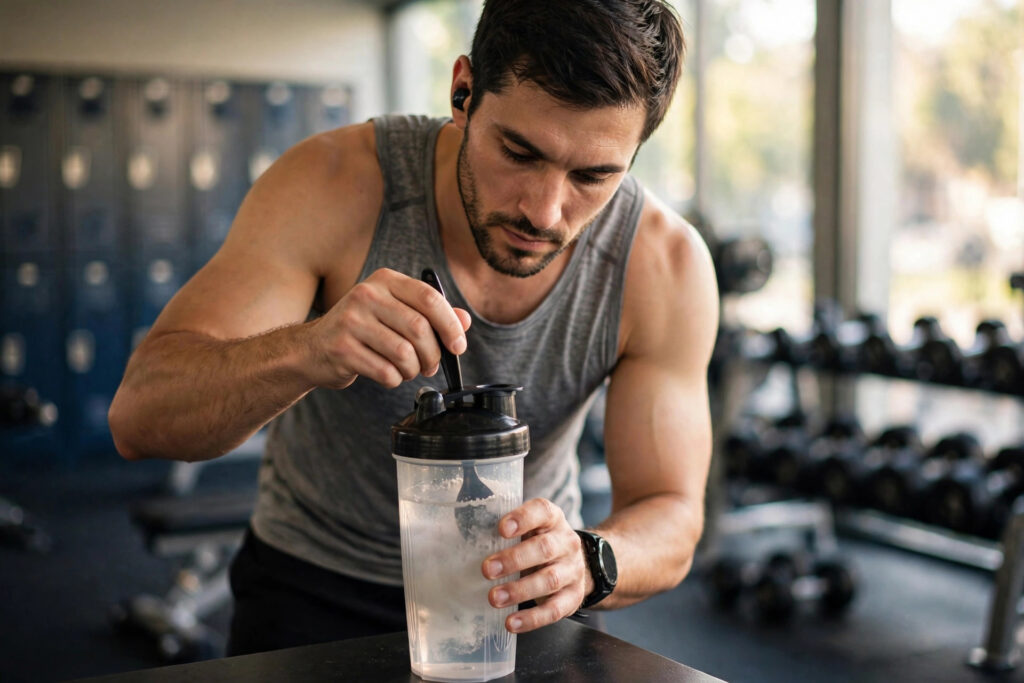
You don’t need a complicated cycling scheme or a loading phase that has you chugging powder five times a day. Here’s what actually works.
The Dose That Does the Job
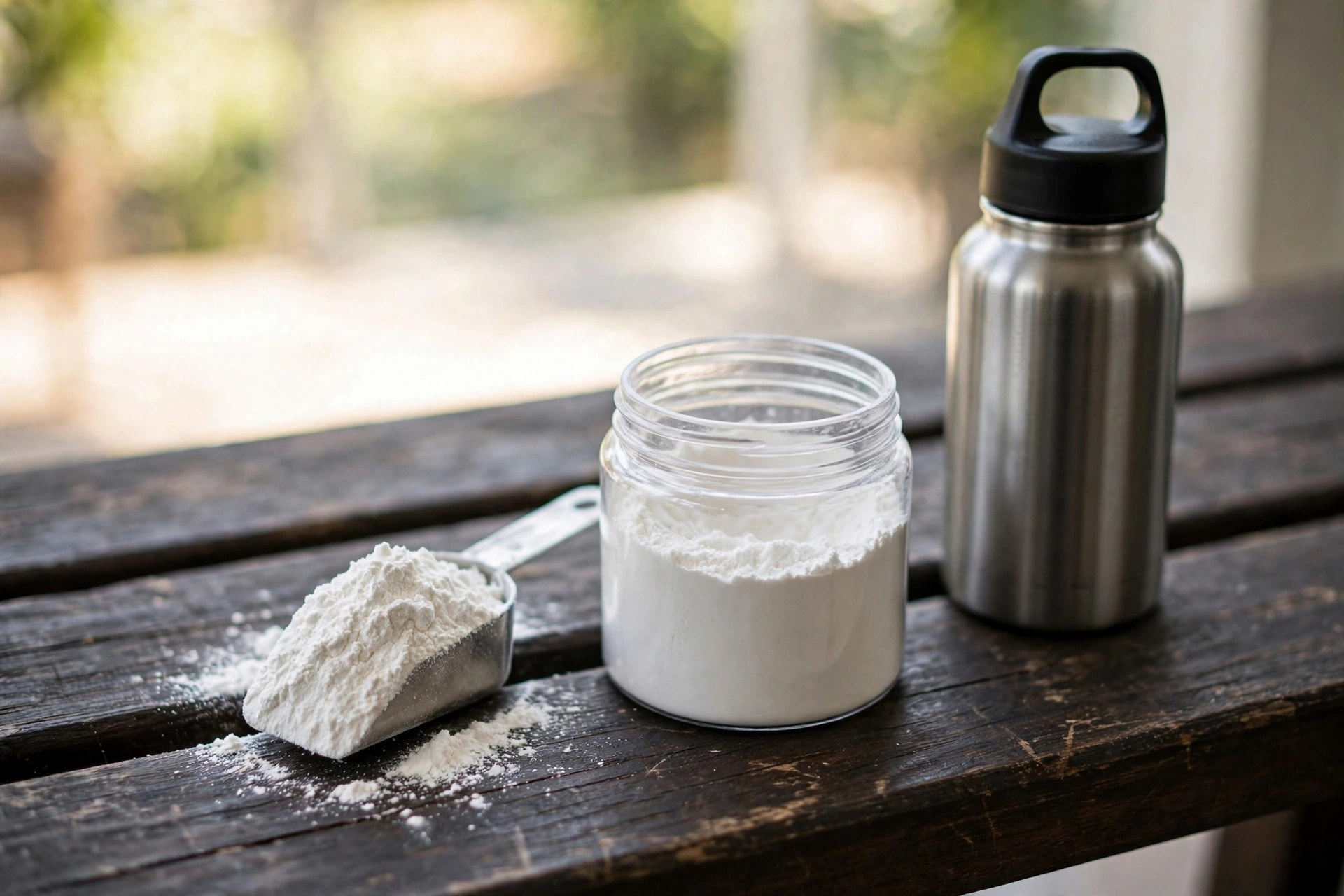
Three to five grams of creatine monohydrate per day. That’s it. That’s the protocol backed by the most research.
Loading (around 20 grams a day for five days) saturates your muscles faster, but you’ll reach the same place in three to four weeks on the daily dose — and you skip the stomach grumbling that loading sometimes causes. During a cut, when your digestion is already touchy, the slow-and-steady route is the kinder choice.
Timing barely matters. Take it whenever you’ll remember — with your morning coffee, post-workout, before bed. Consistency beats timing every time.
Two Non-Negotiables
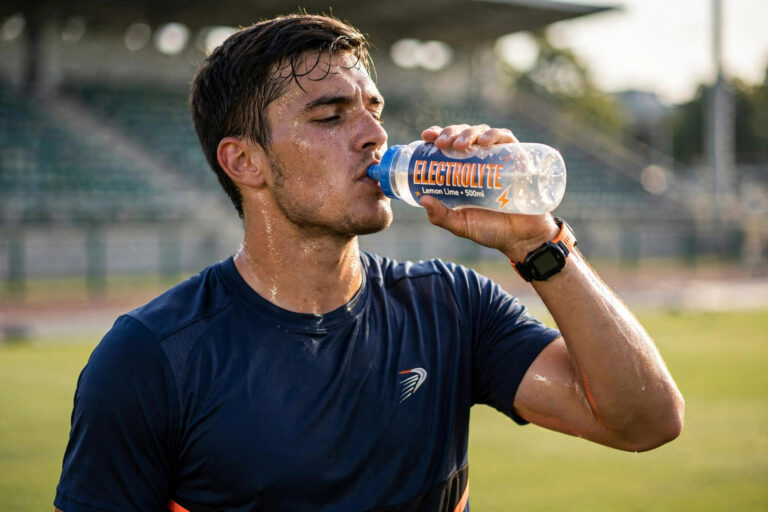
First, drink water. Creatine moves water into your muscles, so hydration matters more than most people think — especially since dieting athletes already tend to under-drink. Keep a bottle with you and actually use it.
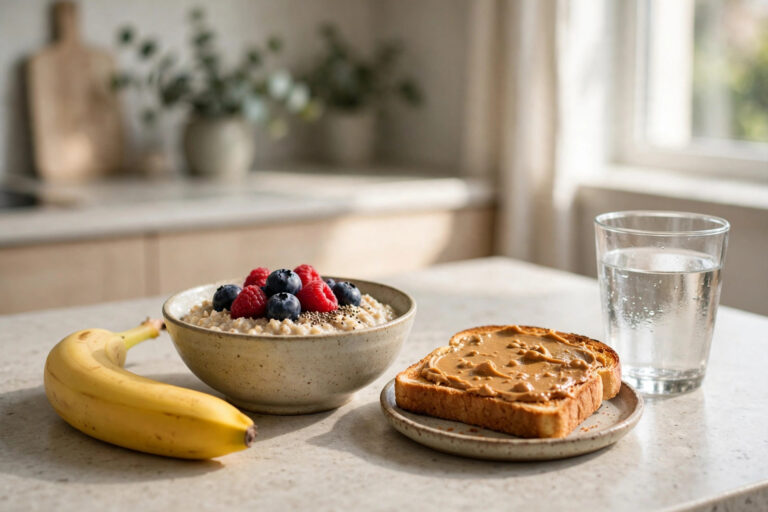
Second, pair it with training and protein. Creatine amplifies the muscle-preserving effects of resistance training; without the training stimulus, you’re just making expensive urine. And since you’re already focused on fueling up properly before your sessions, adding five grams of an unflavored powder to your pre-workout shake is effortless.
Stick to plain creatine monohydrate. It’s the cheapest, the most studied, and the form every major review recommends. The fancy buffered, ethyl-ester, or “advanced delivery” versions cost more and perform the same or worse.
Who Should Talk to a Doctor First
Creatine is remarkably safe for healthy people, but “healthy” is doing some work in that sentence. If you have existing kidney disease, uncontrolled high blood pressure, or you’re on medications that affect kidney function, check with your doctor before supplementing. Same goes if you’re pregnant or breastfeeding — there’s just not enough data there.
Teen athletes: the research looks reassuring, but this is a conversation for you, your parents, and your coach — not a decision to make from a TikTok video.
Frequently Asked Questions
Does creatine make you look bloated?
Not in the way people worry about. Creatine increases water inside your muscle cells, which can make muscles look fuller — most lifters consider that a feature, not a bug. True bloating (puffy face, soft midsection) usually comes from excess sodium, poor sleep, or digestive issues, not from five grams of monohydrate.
Can I take creatine while cutting, or should I wait until I’m bulking?
You can absolutely take it while cutting — that’s arguably when it’s most useful. It helps you preserve strength and lean mass in a calorie deficit, which is exactly what a good cut is trying to achieve. The small water-weight gain is temporary and cosmetic; the muscle you keep is real.
Will creatine show up on a drug test or get me banned?
No. Creatine is not a banned substance. It’s legal in every major sporting organization, including WADA, the NCAA, and the IOC. It’s a naturally occurring compound found in meat and fish — supplementation just raises your muscle stores above what diet alone typically provides.
The Takeaway
Creatine for fat loss isn’t about burning more fat — it’s about losing the right kind of weight. It helps you keep your muscle, keep your strength, and keep training like yourself while the calories are low. That makes your cut faster, your physique better, and the whole miserable process a little less miserable.
Five grams a day. Plain monohydrate. Plenty of water. Lift hard, eat your protein, stay in your deficit — and let creatine do the quiet work in the background.
This article is for informational purposes only and is not medical advice. Talk to a qualified healthcare professional before starting any supplement, especially if you have a medical condition or take medication.