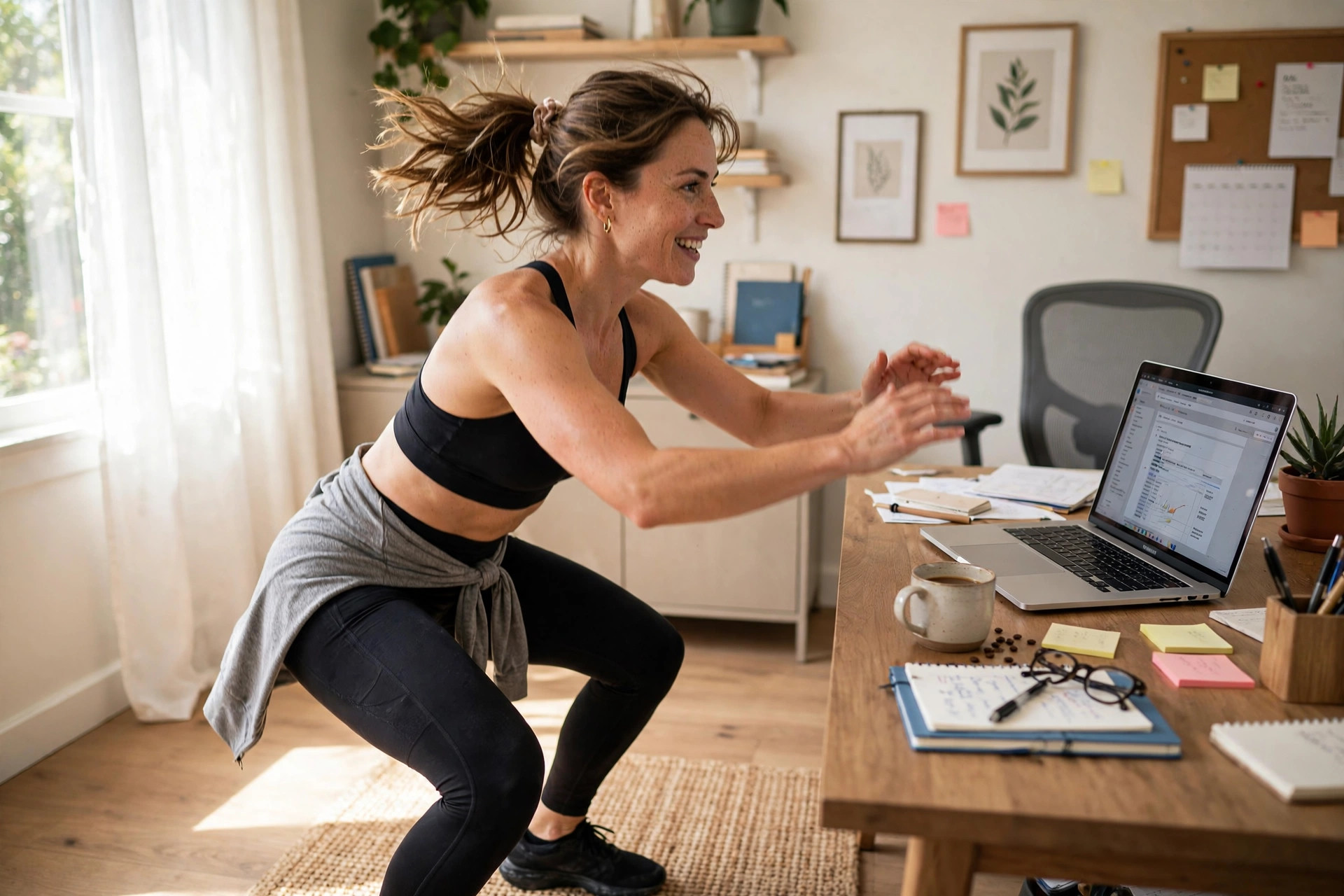

I’ll be honest: the first time someone told me they “worked out” by doing two minutes of squats between Zoom calls — the famous ‘exercise snacks’ — I almost laughed. That doesn’t count, I thought. Workouts are supposed to hurt a little.
Turns out, I was wrong — or at least half wrong. A growing pile of research, including several studies published this year, says these tiny movement bursts — now called exercise snacks — can deliver real, measurable health benefits. Blood sugar control. Cardio fitness. Even sharper thinking.
If you’re an athlete, a weekend warrior, or just someone whose schedule keeps murdering your gym plans, here’s what the science actually says — and how to use it without fooling yourself.
What Exactly Is an Exercise Snack?
No, it’s not what you eat between meals (though I wish). An exercise snack is a short, planned burst of movement — usually one to five minutes — done several times across the day instead of in one long session.
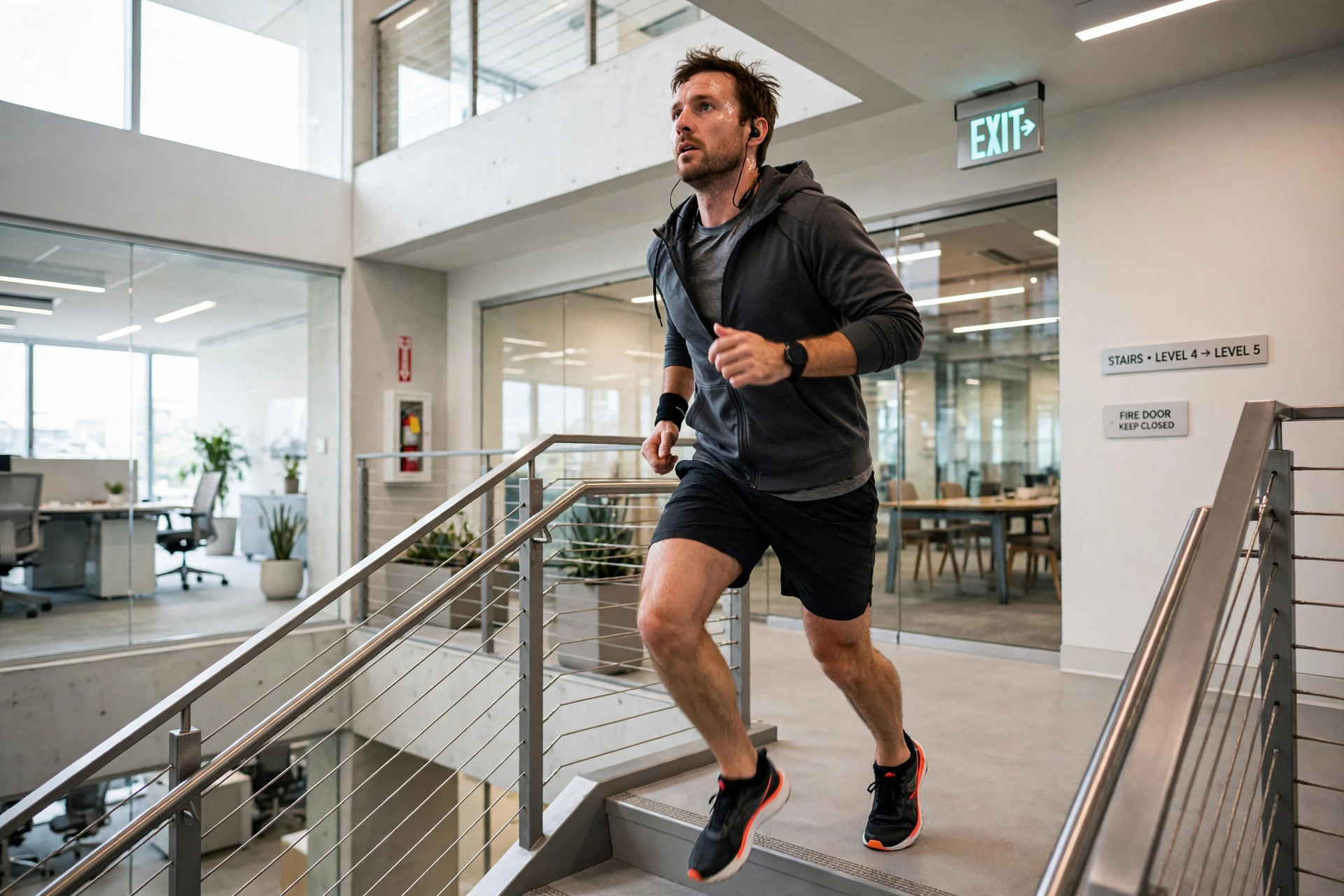
Think: a minute of stair climbs before lunch. Twenty bodyweight squats while your coffee brews. A brisk two-minute walk after dinner. The effort matters — these aren’t lazy strolls. Researchers typically ask people to push hard enough that their heart rate climbs and breathing quickens.
Here’s the part that surprised me: the U.S. Physical Activity Guidelines were updated back in 2018 to say that bouts shorter than ten minutes count toward your weekly 150 minutes of moderate activity. The science has been quietly on this side for years — we just didn’t have a catchy name for it.
What the 2026 Research Actually Found
I dug into the latest studies so you don’t have to decode research papers on a Friday night.
Body Composition and Fitness
In a July 2026 study published in Frontiers in Public Health, researchers took 30 college students and had half of them do 75 minutes a week of exercises like jumping jacks and high knee taps — but in bursts of three minutes or less. The other half did three 25-minute HIIT workouts.
After eight weeks, both groups improved about the same: better body composition, better fitness, more lower-body explosive power, and healthier blood pressure and cholesterol. The snack group even reported the sessions felt less brutal.
That’s a big deal. Same results, less dread.
Blood Sugar and Metabolic Health
This is where exercise snacks really shine. In an April 2026 study in Diabetologia, people with type 2 diabetes did just four one-minute bouts of vigorous bodyweight exercise per day — four minutes total — and saw better blood sugar control after meals.
A big October 2026 review in Frontiers in Nutrition looked at 22 studies with nearly a thousand sedentary adults. The verdict: exercise snacks improved cardio fitness, blood sugar, and triglycerides. But — and this matters — they didn’t move the needle on body fat, muscle mass, insulin, or strength.
Your Brain Gets a Boost Too
September 2026 brought a fun one: short bursts of exercise gave people a modest quick lift in working memory, attention, and focus. The benefits were stronger when the habit stuck around for weeks, and they were biggest in workplaces and schools.
The takeaway? That mid-afternoon slump at your desk might be better fixed with two minutes of stair climbs than a third coffee.
How to Actually Do Exercise Snacks (The Athlete’s Way)
Snacking isn’t an excuse to be random. Here’s a template that works:
The 5-Snack Daily Blueprint
- Morning ignition (2 min): 20 squats + 20 jumping jacks while the coffee brews.
- Mid-morning reset (1 min): up and down two flights of stairs.
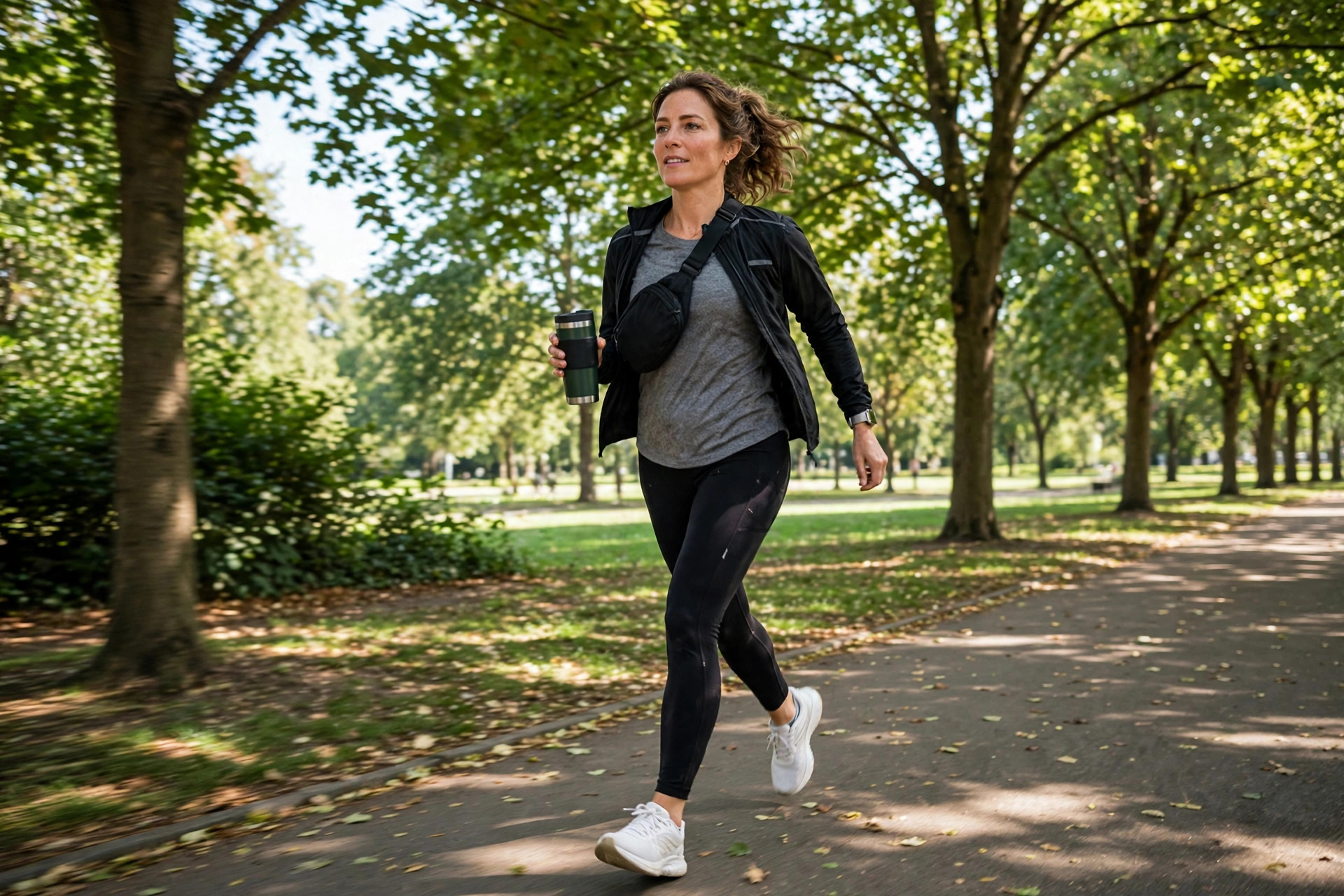
- Lunch walk (3–5 min): a brisk walk right after eating — great for blood sugar.
- Afternoon slump-buster (2 min): 15 push-ups + 30 seconds of high knees.
- Evening finisher (2 min): plank + glute bridges while dinner heats up.
That’s about 10–12 minutes total. Spread them roughly an hour apart — the brain-boost research suggests hourly gaps work slightly better than back-to-back snacks.
Two rules: push hard enough to breathe faster (about a 6 out of 10 effort), and pick moves you can do anywhere. No equipment needed. Your hotel room, the office stairwell, the airport gate — all fair game.
For athletes, snacks are a travel-day weapon. Long flights and bus rides wreck your legs. A two-minute hallway lunge-and-squat snack every couple of hours keeps blood moving and joints happy. If your bigger goal is body recomposition — losing fat while building muscle — snacks alone won’t get you there, but they stack nicely with a planned program. On training days, keep your full-body strength routine as the anchor; use snacks on rest days to stay active. And don’t skip post-workout recovery — snacks replace sitting, not stretching, sleep, or real recovery work.
The Honest Limits (Read This Before You Ditch the Gym)
I’d be lying if I said five minutes of squats replaces a real training session. It doesn’t.
Sports medicine doctors are clear: exercise snacks don’t build strength the way progressive lifting does, they’re weaker for weight loss, and one researcher flat-out said they’re “not meant to replace” walking, jogging, lifting, or sports. (Medscape’s deep dive on the 2026 exercise-snack studies lays out both the promise and the caveats.)
The other trap is the “active couch potato” problem. A researcher at University College London put it perfectly: thirty minutes in the gym is only a tiny part of the day — what about the other 23 and a half hours? Ironically, exercise snacks fix that problem for gym-goers too, by breaking up the sitting between workouts.
FAQs
How many exercise snacks should I do per day?
Study designs ranged from four 1-minute bouts to 75 minutes a week split into tiny bursts. A practical starting point: 4–5 snacks of 1–3 minutes, spread across the day, at a moderate-to-vigorous effort.
Can exercise snacks replace my workouts?
No. They add to training; they don’t replace it. Snacks are best for blood sugar, breaking up sitting, and staying consistent on chaotic days. Strength, endurance, and serious body-composition goals still need planned workouts.
What are the best exercise snacks for beginners?
Start with low-skill, joint-friendly moves: bodyweight squats, wall push-ups, marching in place, stair climbs, and brisk walking. Master the habit first — intensity can come later. If you have a heart condition, diabetes, or any medical concern, check with your doctor before going vigorous.
The Bottom Line
Exercise snacks won’t turn you into an Olympian, but they might be the most honest fitness advice of 2026: you don’t need an hour, a gym, or guilt. You need a few minutes, a few times a day, done with real effort.
Start tomorrow. Set a timer, do two minutes of squats, and get back to your life. Then do it again after lunch. Your blood sugar, your focus, and your future self will notice.
This article is for general information only and isn’t medical advice. If you have a heart condition, diabetes, or any health concern, talk to your doctor before starting vigorous exercise.