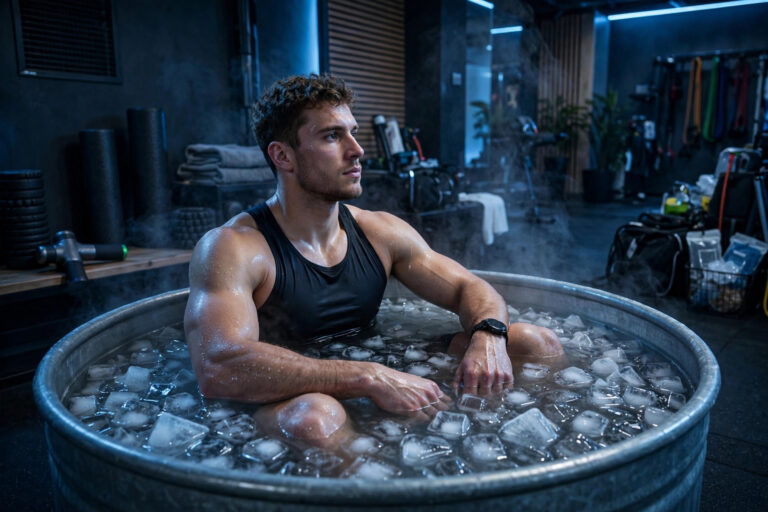

You crushed the workout. Now what? For years, my answer was: sit in the car, drive home, eat whatever was closest, then wonder why I was wrecked for three days. Sound familiar? Indeed, you need a post workout recovery routine that actually works.
In other words, recovery isn’t passive. It’s a set of deliberate actions, and the hour after you train matters more than most people realize. Training breaks your body down. Recovery builds it back stronger. Skip the second half and you get the worst of both worlds: lingering fatigue and soreness that turns stairs into a personal attack.
This step-by-step post workout recovery routine is built for real life. No ice baths required. Just practical steps for how to recover after a workout.
Step 1: Cool Down for Your Post Workout Recovery Routine (5 to 10 Minutes)
However, don’t just stop. I used to finish a run and sit down immediately, then stand up dizzy and nauseous.
To begin, spend five to ten minutes bringing your heart rate down gradually: easy jogging fading into walking. This clears metabolic byproducts and prevents that woozy feeling. Then stretch the muscles you worked, holding each stretch 20 to 30 seconds. That’s it. For more on breathing during cool-downs, see these breathing exercises for runners.
Step 2: Rehydrate Immediately
Next, start drinking water within minutes of finishing. For workouts under an hour, plain water is enough. For longer or hotter sessions, add electrolytes: a sports drink, tablets, or water with a pinch of salt.
Sip steadily over the next couple of hours rather than chugging. And yes, do the pee check. Dark yellow means you didn’t drink enough. Pale yellow is the target. Gross? A little. Useful? Very.
Step 3: Post Workout Recovery Routine Nutrition Timing
Then, nail your post workout nutrition timing. Fortunately, it’s simpler than supplement companies claim. You don’t need a shake within 30 seconds of your last rep. Aim to eat within a couple of hours, sooner if you train again within 24 hours.
Your recovery meal needs two things.
Protein, 20 to 40 grams. The amino acids your muscles need to repair: chicken, fish, eggs, Greek yogurt, tofu, lentils, or a protein shake.
Carbohydrates. To replenish the glycogen you burned: rice, potatoes, oats, fruit, pasta. Match the portion to the session. A hard two-hour ride needs far more carbs than a 30-minute lift.
For example, easy combos: Greek yogurt with granola and berries, a chicken rice bowl, eggs on toast with fruit. Eat a real meal within two hours, or a protein-rich snack within 30 to 60 minutes if a meal isn’t coming soon.
Step 4: Active Recovery Ideas for the Hours After
Similarly, active recovery ideas mean gentle movement, not a second workout:
- Walk. A 10 to 20 minute easy walk later in the day boosts blood flow without adding stress.
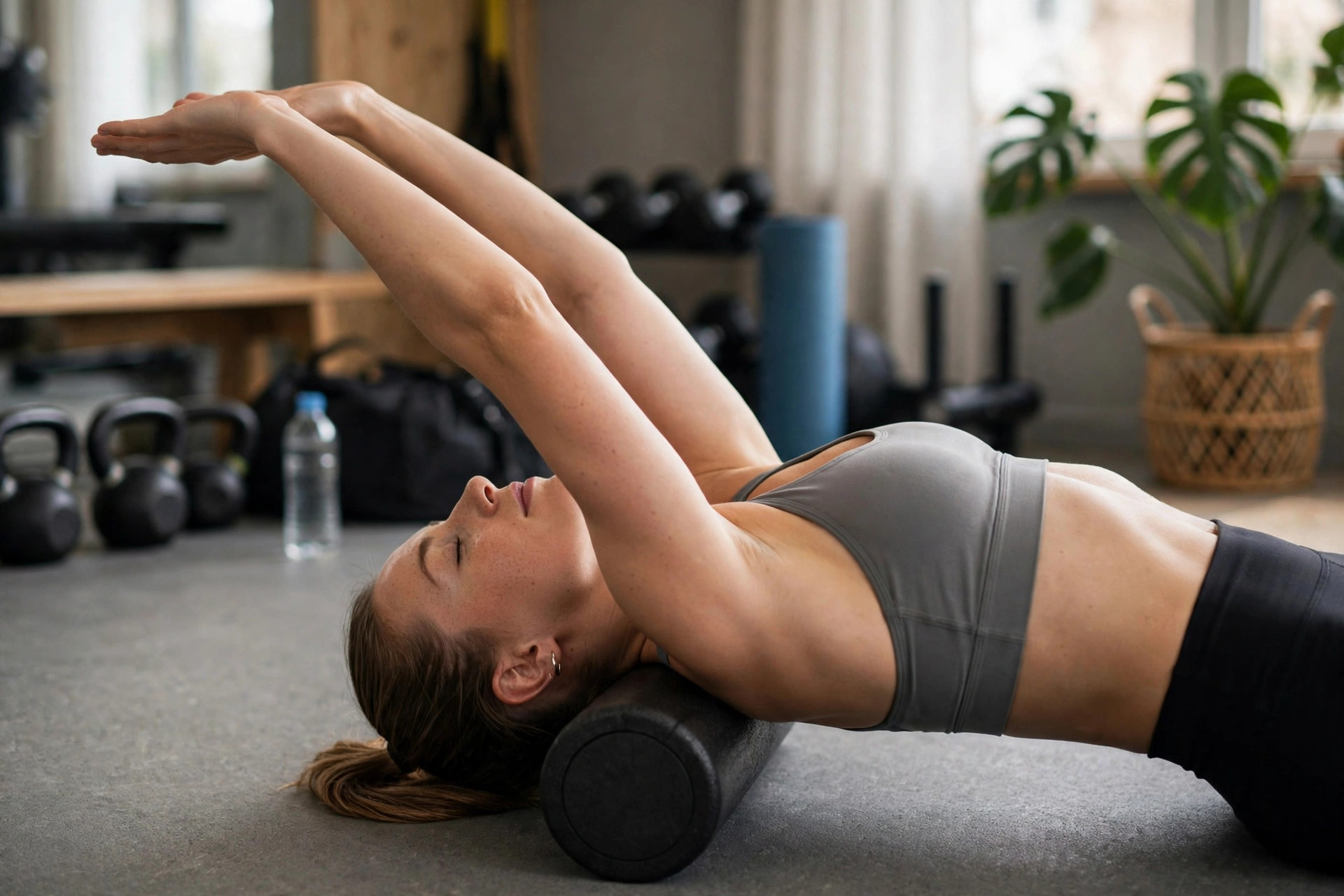
- Foam roll. Five to ten minutes on the muscles you trained. Slow passes, pausing on tender spots.
- Gentle mobility. Hip circles, arm swings, cat-cow stretches. Think “oil the joints,” not “train.”
What to avoid: intense stretching to the point of pain, and sitting motionless all day. In addition, movement is medicine here. I once spent an entire rest day on the couch “recovering” and felt worse than after the workout. Never again.
Step 5: Manage Soreness Realistically
Finally, delayed onset muscle soreness (DOMS) peaks 24 to 72 hours after unfamiliar or intense exercise. It’s normal, not dangerous, and no hack eliminates it. Anyone selling a soreness cure is selling something.
Save anti-inflammatories for when you truly need them. Regular use may interfere with muscle adaptation, which defeats the purpose.
What actually helps: the active recovery above, good sleep, proper nutrition, and light exercise using the sore muscles. A gentle jog when you’re sore often loosens things faster than total rest. Counterintuitive. True. However, if soreness persists with other symptoms, learn the signs of overtraining syndrome.
Step 6: Prioritize Sleep Tonight
In contrast, sleep is the single most powerful recovery tool you have, and it’s free. During deep sleep your body releases growth hormone and repairs muscle tissue. Athletes sleeping under seven hours show slower recovery and higher injury rates.
On training days, protect your sleep. Consistent bedtime, cool dark room, no screens for the last 30 to 60 minutes, no heavy meals or alcohol close to bed. The phone in bed is a hard habit. I’m still working on it. The American College of Sports Medicine’s recovery guide has more on optimizing your post-exercise routine.
Your Post Workout Recovery Routine: Timeline at a Glance
| Time | Action |
|---|---|
| 0 to 10 min | Cool-down cardio plus light stretching |
| 0 to 30 min | Start rehydrating (water, electrolytes if needed) |
| 30 to 60 min | Protein-rich snack if a meal isn’t coming soon |
| Within 2 hrs | Full recovery meal with protein and carbs |
| Afternoon or evening | Easy walk, foam rolling, gentle mobility |
| Evening | Wind down and protect sleep |
| Next morning | Assess soreness, adjust today’s plan if needed |

Post Workout Recovery Routine FAQs
How long should I rest between hard workouts?
Typically, most amateurs need about 48 hours between hard sessions targeting the same muscles. You can train daily if you alternate hard and easy days. Two to three hard sessions per week is a sustainable formula.
What should I eat if I work out late at night?
Certainly, have a smaller recovery meal rather than skipping it: Greek yogurt with fruit, a protein shake with a banana, or eggs on toast. Keep it moderate so it doesn’t disrupt sleep.
Is it better to rest completely or do active recovery on rest days?
Indeed, active recovery wins for most people. Complete rest has its place: genuine exhaustion, illness, or injury. But on normal rest days, easy walking, light cycling, or gentle yoga beats the couch. Keep it conversational.
Post Workout Recovery Routine: Final Thoughts
Ultimately, a good post workout recovery routine isn’t complicated. It’s just consistent. Cool down, rehydrate, eat protein and carbs within a couple of hours, move gently, guard your sleep. Do this after every session and you’ll train more often and feel better doing it. Recovery is training.
This article is for informational purposes only and is not medical advice. Consult a healthcare professional about persistent pain, suspected injuries, or before starting a new training program.