
Every guy in that Oslo gym knew the deal. The needles and pills were just… part of the program. Get bigger faster, deal with the side effects later. If you’ve ever been in a gym where someone quietly offered you “a little help,” you know exactly the world I’m talking about. And most of the guys in it believed one comforting story: use a little, use it smart, and your body bounces back when you stop. Steroid heart damage wasn’t part of the conversation.
A team of heart researchers in Norway just spent nearly a decade testing that story. What they found should make anyone even flirting with steroids sit down and read.
The 10-Year Study That Finally Answered the Question
Here’s the problem with most steroid research: it follows people for a few months, maybe a year. That’s not how these drugs work in real life. Guys use them for years. So Dr. Vibeke M. Almaas, a cardiologist at Oslo University Hospital, did something nobody had really done before — she followed weightlifters for close to ten years, scanning their hearts with ultrasound imaging over and over.
The study, published October 2026 in the European Heart Journal – Cardiovascular Imaging, tracked 70 men with a history of anabolic steroid use plus 35 non-using lifters as a control group. These weren’t elite pros. They were regular recreational strength athletes — the same kind of guys you’d see at any commercial gym. Some kept using steroids, some quit along the way, some had stopped years earlier. That mix is exactly what made the findings so powerful.
What Steroids Did to Their Hearts
The results on continued users were grim. Long-term steroid use left the heart’s main pumping chamber — the left ventricle — with persistently thickened walls. Think of it like a muscle that got bulked up in the worst possible way: thicker walls meant the chamber couldn’t squeeze blood out effectively, and couldn’t relax enough between beats to fill up again.
“Continued use of anabolic steroids among adult and middle-aged male strength athletes, even at lower dosages, was associated with a persistent thickening of the heart muscle, impaired contractions and worsening of the heart’s ability to relax,” Almaas said.
The numbers tell it plainly. Among men who kept using, 17% developed severely reduced heart function. And here’s the detail that kills the most common excuse in the gym: the damage showed up even at lower dosages. The “I’ll just run a light cycle” argument doesn’t survive this data.
Why Thick Heart Walls Are So Dangerous
A thicker left ventricle sounds like it could be a good thing — stronger, right? No. In cardiology, wall thickening is a red flag. It raises the risk of high blood pressure, dangerous heart rhythm problems, heart attack, and heart failure. Your heart isn’t like your biceps. It can’t afford to be “bulky.” It needs to be efficient.
It’s a cruel irony: the same drugs guys take to look like their bodies are invincible were quietly making the most important muscle in their body weaker.
The Twist Nobody Expected: Quitting Reversed the Damage
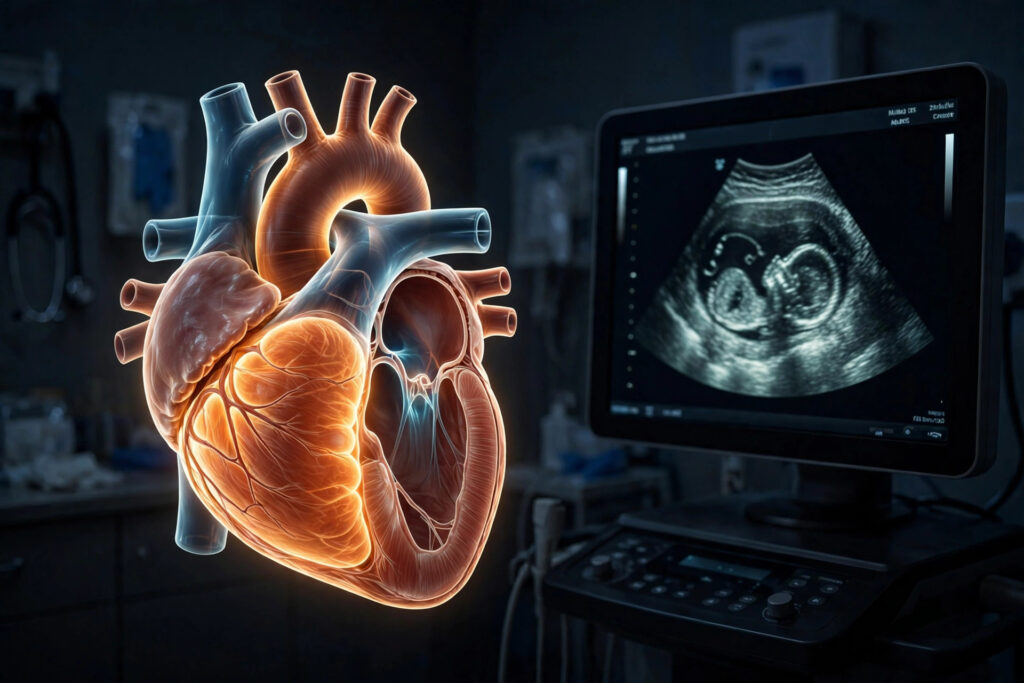
Now the good news — and honestly, this is the part that surprised even the researchers. The men who stopped using steroids saw their hearts recover. Discontinuing use was associated with reduced heart wall thickening and improved cardiac function, bringing them closer to the levels of the never-users in the control group.
“As many as 17% of those who continued using AAS had severely reduced heart function,” Almaas said. “However, this could be reversed if the men stopped using anabolic steroids and continued to abstain from them over the long term.”
This matters more than people realize. One of the biggest reasons guys won’t quit is fatalism — they figure the damage is done, so why bother? This study says that’s wrong. Your heart can heal — much of the steroid heart damage can reverse. But it takes long-term abstinence, not a few weeks off between cycles.
What This Means If You’re Thinking About a Cycle
Let me be straight with you. I’ve seen the forum posts. A 24-year-old asks whether he should “hop on” to get past a plateau, and forty strangers reassure him it’s fine if he does his “research.” Here’s what actual research — ten years of it — says about steroid heart damage:
There’s no safe dose. The study found persistent heart changes even among men using lower dosages. The drug doesn’t care about your careful planning.
Time matters. The longer you stay on, the worse it gets, and the more you roll the dice on being in that 17% with severely reduced function.
Quitting works — but it’s hard. The same research that shows the damage also documents how common steroid dependence is. Users develop a dependence on these drugs; getting off isn’t just a decision, it’s a process.
The modern shortcut culture doesn’t stop at steroids, either. Lifters today are being pitched everything from modern shortcut drugs like retatrutide to sketchy online “clinics.” The lesson from Oslo applies to all of it: if a shortcut touches your heart, it’s not a shortcut.
Building Muscle Without Gambling Your Heart
So what’s the alternative? Boring, unsexy, proven stuff. The guys in the control group — the lifters who never touched steroids — were still building muscle and getting stronger. They just weren’t trading heart function for it.

Progressive overload with compound lifts, eating enough protein, sleeping like it’s your job, and following a proper post-workout recovery routine will get you genuinely impressive results. It won’t get you there in eight weeks. But neither will the alternative get you there safely.
One thing natural lifters sometimes overlook: staying hydrated keeps blood volume stable and takes real strain off your cardiovascular system during hard training. Small habits compound — the same way small risks compound.
FAQs
Can heart damage from steroids really be reversed?
According to the Oslo study, yes — at least partially. Men who stopped using and stayed off long-term showed reduced heart wall thickening and improved pumping function, approaching the levels of never-users. But it requires long-term abstinence, and not everyone recovers fully.
Do low doses of steroids still harm the heart?
The researchers specifically found persistent heart muscle thickening and impaired function even among men using lower dosages. There was no clearly safe dose in this study. Cutting the dose is not the same as being safe.
How do I know if my heart is affected?
You probably don’t — that’s the scary part. Wall thickening and reduced function develop silently over years. If you’ve used steroids, talk to a cardiologist about an echocardiogram (heart ultrasound). It’s painless, and it’s the only way to know where you stand.
The Bottom Line: Your Heart Isn’t a Bicep
Ten years of heart scans on real lifters gave us a rare gift: honest answers about steroid heart damage. Steroids thicken your heart walls, weaken its pumping, and they do it even at lower doses. But quitting can reverse much of the damage — if you commit to staying off.
If you’re on the fence, ask yourself this: is shaving six months off your physique goals worth risking the one muscle you literally cannot live without? The guys in that Oslo gym thought they knew the deal. Now we all do.
This article is for informational purposes only and is not medical advice. If you use or have used anabolic steroids, please consult a qualified healthcare professional for personalized guidance.