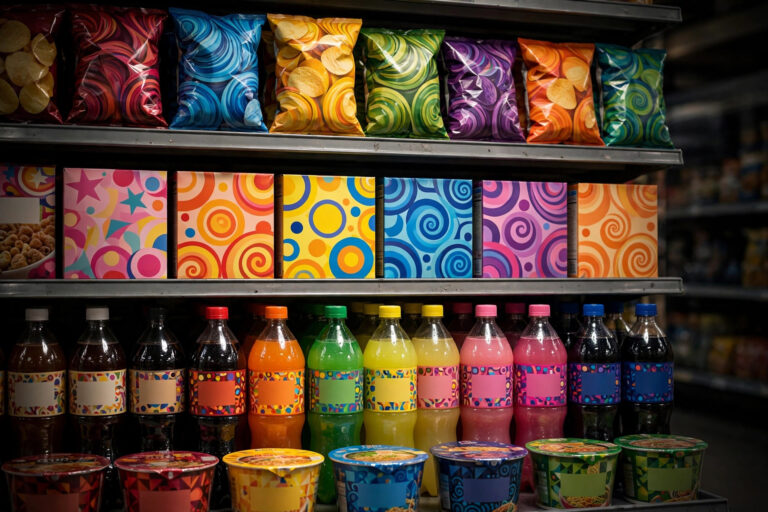

Walk down any supermarket aisle in 2026 and you’d swear protein hired a marketing team. Protein bread. Protein coffee. Even protein cereal your grandmother wouldn’t recognize. Last week I counted eleven “high protein” labels on one yogurt shelf — and I just like yogurt. Welcome to the high protein diet era.
Here’s the twist: Americans have never cared more about what they eat — and never felt worse doing it.
The International Food Information Council just released its 2026 IFIC Food & Health Survey. Nearly two-thirds of Americans — 64% — followed a specific eating pattern this year, the highest share since 2018. A high protein diet is the country’s favorite for the fourth year running, 70% actively chase protein — and yet only 40% describe their health as excellent or very good. That’s the lowest number since 2012, down eight points in a year.
More dieting than ever. More protein than ever. Worse health than ever. Something’s broken — and if you train like an athlete, you should know what it is before buying another tub of powder.
The high protein diet boom is real (and so are the problems)
The obsession didn’t come from nowhere. Protein genuinely matters — it repairs muscle, keeps you full, and helps you age without fading away. Among Americans deliberately eating more protein, eggs (73%) and poultry (70%) top the source list.
The bad version sits in the middle aisles. Protein bars and fortified snacks are now a regular protein source for a third of protein-seekers, powders and shakes close behind. We’ve bolted a genuinely useful nutrient onto candy bars with better branding.
I have a friend — let’s call him Dan — who runs a serious 5K routine. Three months ago he decided to “eat more protein”: a protein bar at his desk every afternoon, a shake after runs, chicken at dinner. The rest? Toast for breakfast, pasta most nights, vegetables as rare as a blue moon. Last month he told me he feels more tired than when he started.
Dan isn’t failing. His high protein diet is failing him — because protein alone was never the whole plan.
Why a high protein diet alone can’t save you
IFIC’s president put it politely: Americans are doing more of what experts recommend — prioritizing protein, following eating patterns, thinking long-term — “and yet many still don’t see and feel the progress they’re hoping for.”
That gap has a few very human explanations.
First, protein has become a costume for junk food. Plenty of ultra-processed products wear a “20g protein” badge like a halo. Flip them over and you’ll find last year’s sugar bomb with whey isolate mixed in. The front of the pack is advertising; the ingredient list is the truth.
Second, a high protein diet is still one note in a whole song. Only 28% of people who made dietary efforts prioritized protein at every meal. Most cram it all into dinner while breakfast is a muffin and lunch is whatever’s fastest. Spreading protein across the day supports repair far better than one giant serving.
Third — the awkward one — you can’t out-eat a broken lifestyle. Five hours of sleep, zero fiber, caffeine as a personality trait: no amount of chicken breast fixes that. Protein got framed as the whole solution, and people stopped looking at the rest.
How much protein athletes actually need
Sports nutrition bodies generally recommend 1.2 to 2.0 grams of protein per kilogram of bodyweight per day for active people. For a 70 kg (154 lb) runner, that’s roughly 85 to 140 grams daily. Strength athletes and anyone cutting weight land toward the higher end.
Per meal, 25–40 grams is the sweet spot for triggering muscle repair — which is why three or four protein-containing meals beat one enormous dinner. A palm-sized portion of chicken, a couple of eggs with Greek yogurt, a solid bowl of lentils with rice.
Timing matters less than the internet told you. What matters is hitting your daily total, day after day, from food you can afford and actually enjoy.
The 4 high protein diet mistakes I see everywhere
Mistake 1: Saving it all for dinner
Pastry at 8am, sandwich at noon, a mountain of chicken at night. Your body can only direct so much protein toward muscle repair at once — spread 25–40 grams across three or four meals instead.
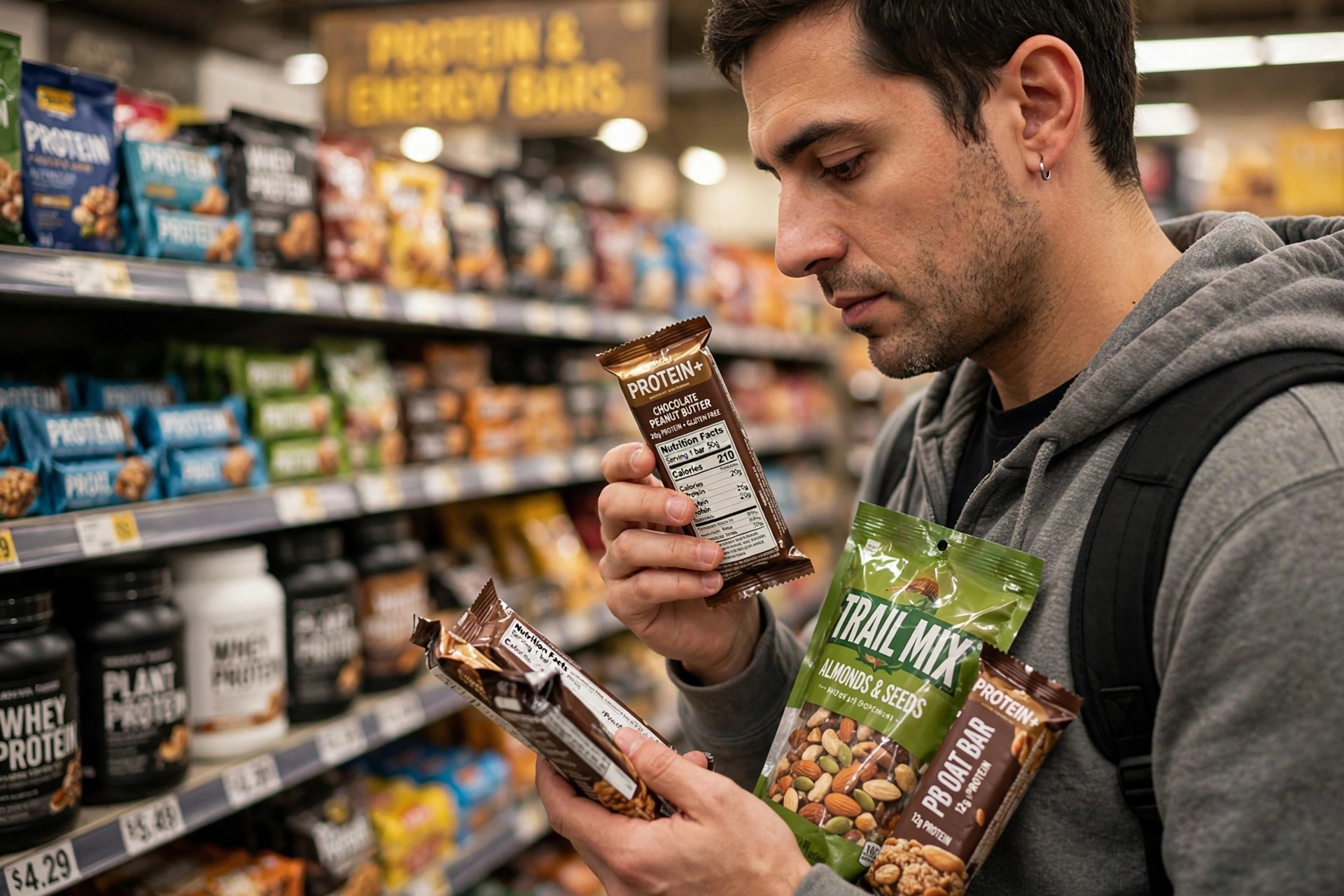
Mistake 2: Chasing grams, ignoring the label
That 20g protein bar with 15g of sugar? Dessert with a marketing budget. Plain Greek yogurt delivers 15–20g protein per cup with real ingredients.
Mistake 3: Forgetting the rest of the plate
Protein without fiber, vegetables, and complex carbs is a gym with no locker room. If you’re trying to lose fat and build muscle, whole-plate composition matters — not just the protein number.
Mistake 4: Skipping the fuel around training
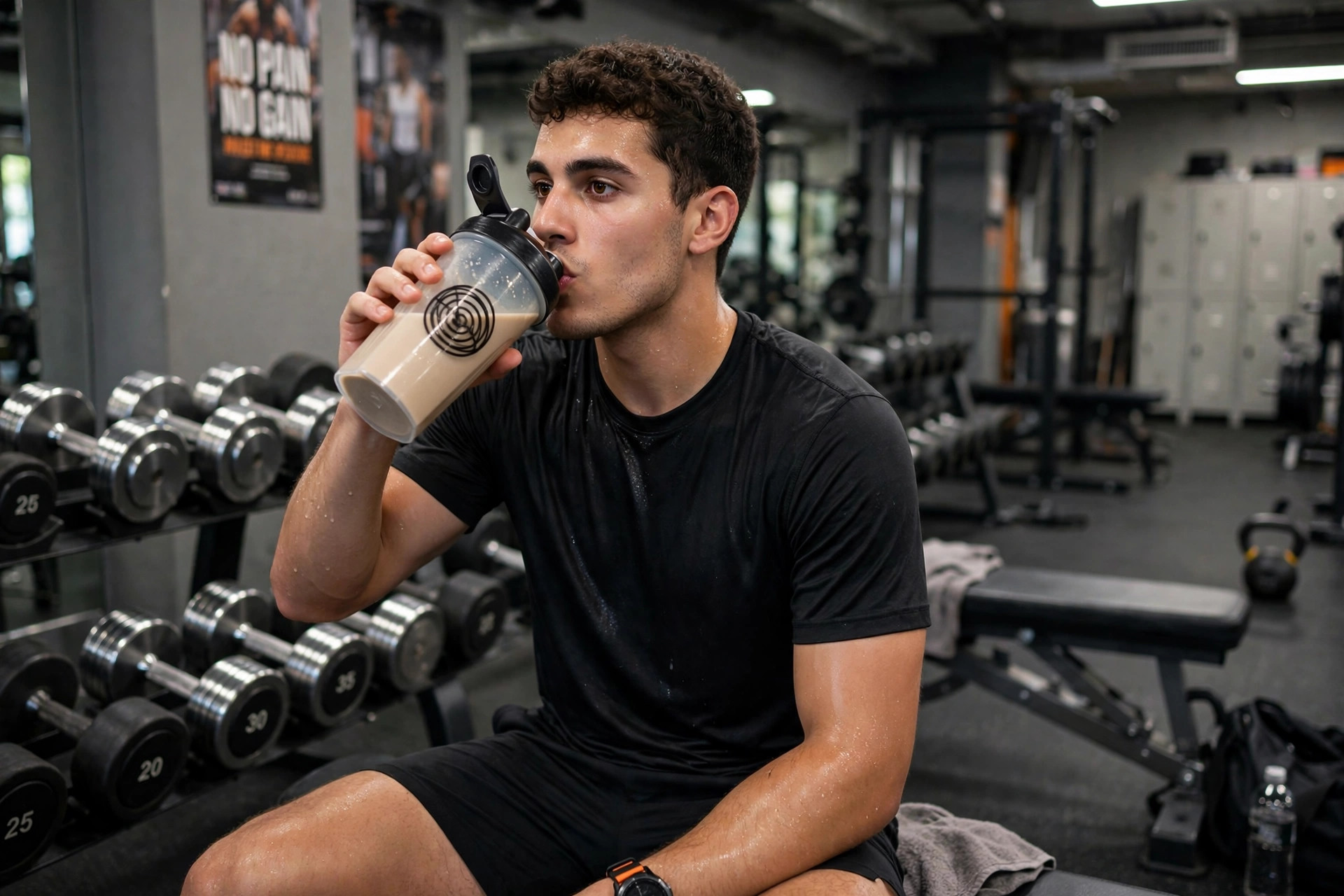
People obsess over their post-workout shake but train fasted on two espressos and a hope. Carbs around training matter enormously — see our guide on what to eat before a workout.
A simple high protein diet playbook
Forget the noise. Here’s the whole system on one napkin:
- Hit your range. 1.2–2.0 g/kg/day depending on training. Calculate it once, then stop recalculating weekly.
- Split it up. Three or four meals with 25–40g each. Front-load breakfast — eggs, Greek yogurt, cottage cheese.
- Favor whole foods. Eggs, poultry, fish, yogurt, beans, lentils, nuts. Powders and bars are backup singers, not the headliner.
- Read the back, not the front. If the “protein” product has more sugar than protein, it’s not health food.
- Feed the workout. Carbs before training, protein plus carbs after.
Follow that for a month and you’ll likely notice something most Americans haven’t: you’ll actually feel better.
How much protein do I need if I train four days a week?
Around 1.4 to 1.8 g/kg/day is a solid starting point — a 75 kg person needs roughly 105 to 135 grams daily, split across three or four meals. If recovery drags, nudge intake up before changing anything else.
Are protein bars actually healthy?
Some are; most are glorified candy. A decent one has at least 15g protein, under 8g sugar, and a short ingredient list. When in doubt, eat actual food — nuts or Greek yogurt beat most bars.
Can you eat too much protein on a high protein diet?
For healthy people, moderately high intakes are generally fine — but “more is better” stops being true around 2.0–2.2 g/kg/day. Beyond that you’re displacing fiber, vegetables, and whole grains your body also needs.
The takeaway: protein is the headline, not the whole story
America cracked the protein code and still feels terrible — because protein was never the whole code. It was one chapter.
The people getting the most out of a high protein diet aren’t buying the fanciest products. They’re eating enough, spreading it across the day, pairing it with real food — and sleeping well enough for nutrition to do its job.
So keep the protein — a high protein diet done right is still a great habit. Just stop treating it like a shortcut. It’s fuel, not magic — and the folks who remember that are the ones who end up in the 40%, not out of it.
This article is for general information only and is not medical advice. If you have kidney disease, a metabolic condition, or are making major dietary changes, talk to a registered dietitian or your doctor first.