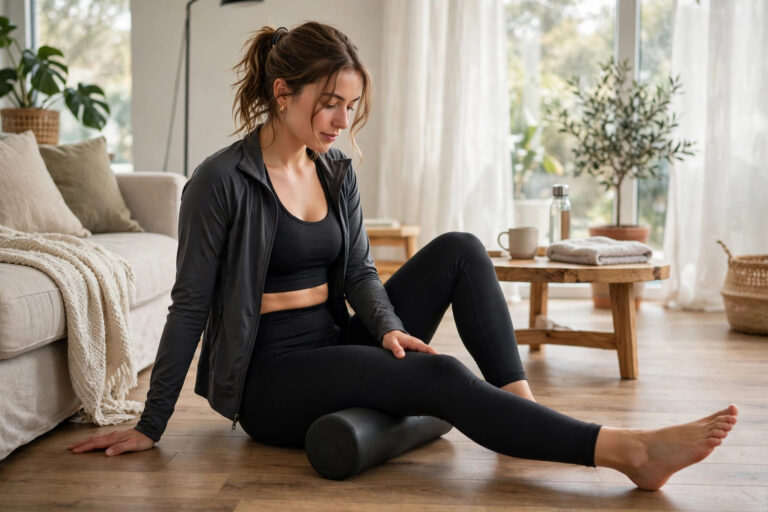

For instance, athletes swear by ice baths, influencers champion freezing showers, and the average gym-goer wonders which is worth the suffering. Indeed, the ice bath vs cold shower for recovery debate deserves an honest look, because these two aren’t interchangeable. In fact, I learned that the hard way. Twice.
In other words, my first ice bath involved three bags of gas-station ice and ninety seconds of genuine regret. My first cold shower involved yelping loud enough to concern my neighbors. For a complete protocol, see our post-workout recovery routine.
Ice Bath vs Cold Shower: How Cold Exposure Helps Recovery
However, cold water constricts blood vessels and triggers a jolt of norepinephrine, which is why you feel so alert afterward. When you warm up, vessels dilate and fresh blood flows back into the tissues.
Fortunately, the claimed cold water immersion benefits center on three things: reduced soreness, calmer inflammation signaling, and fresher-feeling legs. The evidence is strongest for soreness and perceived recovery. Objective measures like strength recovery show smaller, mixed effects. Healthline’s cold water therapy guide has more on the evidence.
For example, one caveat: if your main goal is building muscle, frequent cold immersion right after lifting may slightly blunt long-term gains, since cold dampens some of the inflammatory signaling that drives hypertrophy.
Ice Baths: Full Immersion
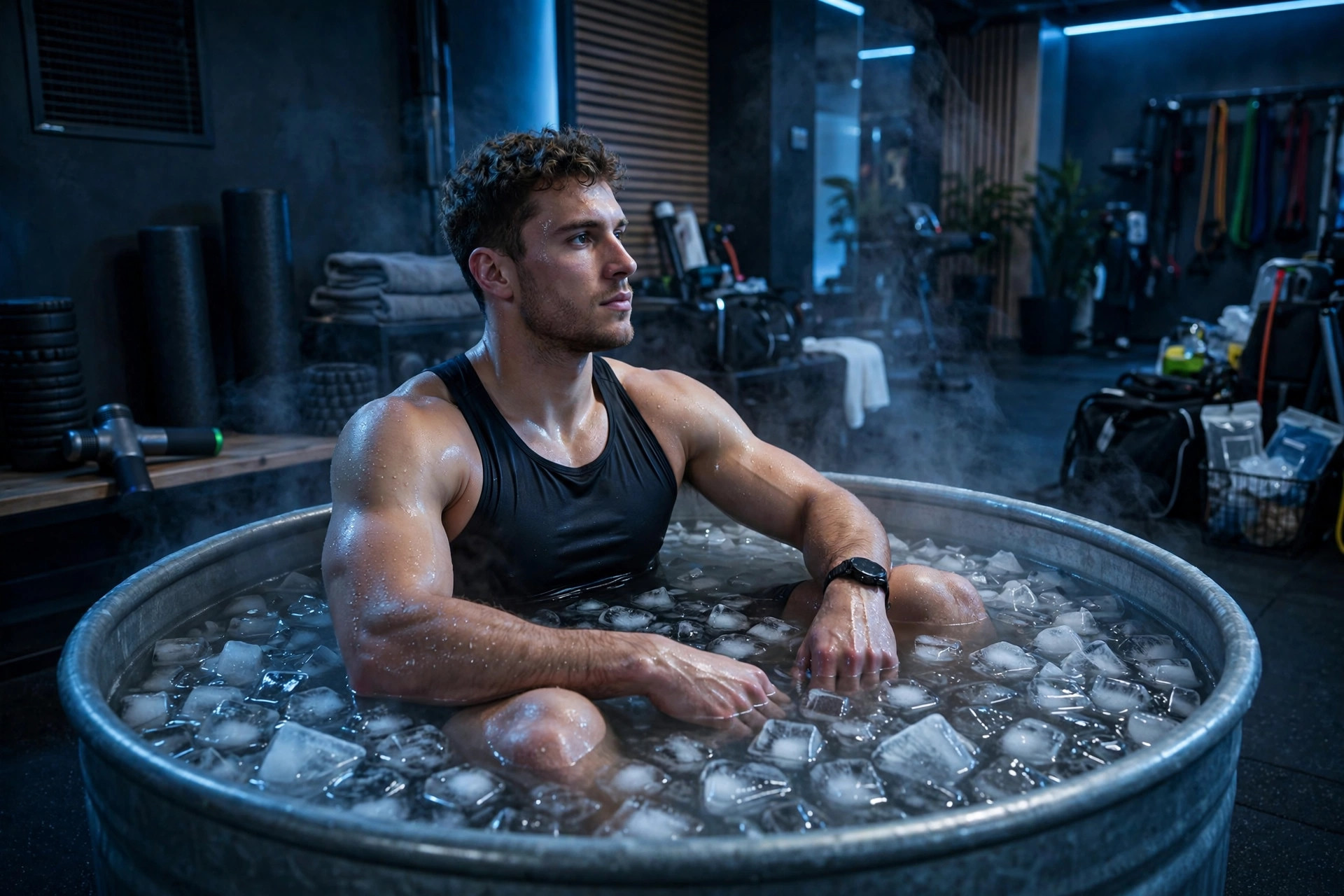
To begin, an ice bath means sitting in 10 to 15°C water (50 to 59°F) for 10 to 15 minutes, immersed to the waist or chest. The most intense common form of cold therapy, and the most researched.
Next, the evidence is solid. Cold water immersion after intense exercise consistently reduces delayed-onset soreness and improves perceived recovery over 24 to 72 hours. Effects on actual next-session performance are more modest, but real for endurance athletes in heavy blocks or multi-day competition.
Then, the downsides: logistically annoying. Tub, ice, prep, genuine misery. Plus the muscle-growth caveat above. And people with cardiovascular conditions should be cautious about the cold-shock response.
Similarly, my take: the ice bath works, but the hassle is real. I’ve kept up cold showers for months. I have never voluntarily repeated the gas-station ice bath. Make of that what you will.
Cold Showers: The Accessible Alternative
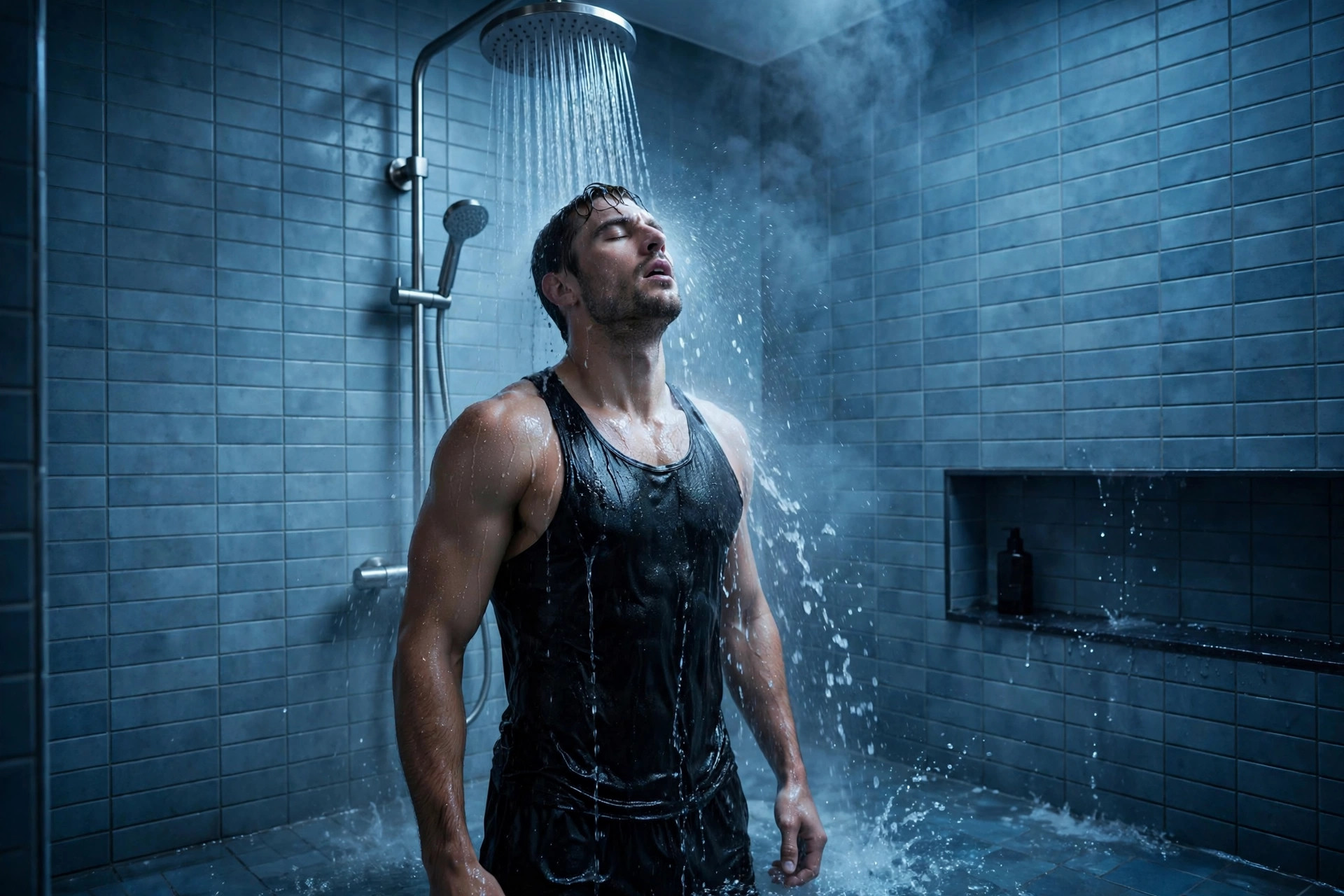
In addition, a cold shower, water as cold as it gets, typically 15 to 20°C, for 2 to 5 minutes. Milder, shorter, way less dramatic.
Specifically, honest assessment: the evidence is thin. Cold showers haven’t been studied rigorously for muscle recovery. The water usually isn’t cold enough, long enough, or uniform enough to trigger the same response as full immersion.
Subsequently, that said, cold showers reliably boost alertness and mood. The norepinephrine surge is real even in a shower. As cold therapy for sore muscles, a cold shower beats nothing, and it’s far more sustainable as a daily habit.
Ice Bath vs Cold Shower for Recovery: Head-to-Head
In contrast, let’s line them up.
Temperature: ice bath 10 to 15°C vs. cold shower 15 to 20°C.
Duration: 10 to 15 minutes vs. 2 to 5 minutes.
Evidence for soreness reduction: strong vs. limited.
Convenience: low (tub, ice, prep) vs. high (turn the dial).
Cost: ongoing vs. free.
Ultimately, for serious recovery after very hard sessions, tournaments, long runs, brutal leg days, the ice bath wins on evidence. For daily alertness, mood, and freshness, the cold shower wins on practicality. Different tools for different jobs. Compare with our foam rolling routine for beginners for another recovery tool.
A Third Option: Contrast Showers
As a result, contrast shower for recovery protocols alternate hot and cold, 1 to 2 minutes hot, 30 to 60 seconds cold, repeated 3 to 5 times, ending on cold. The alternating dilation and constriction is thought to aid circulation.
In fact, evidence is modest but positive for perceived recovery and soreness, roughly on par with cold immersion in some comparisons, and far more tolerable. This might be the sweet spot for most people.
Ice Bath vs Cold Shower: How to Do Each One Safely
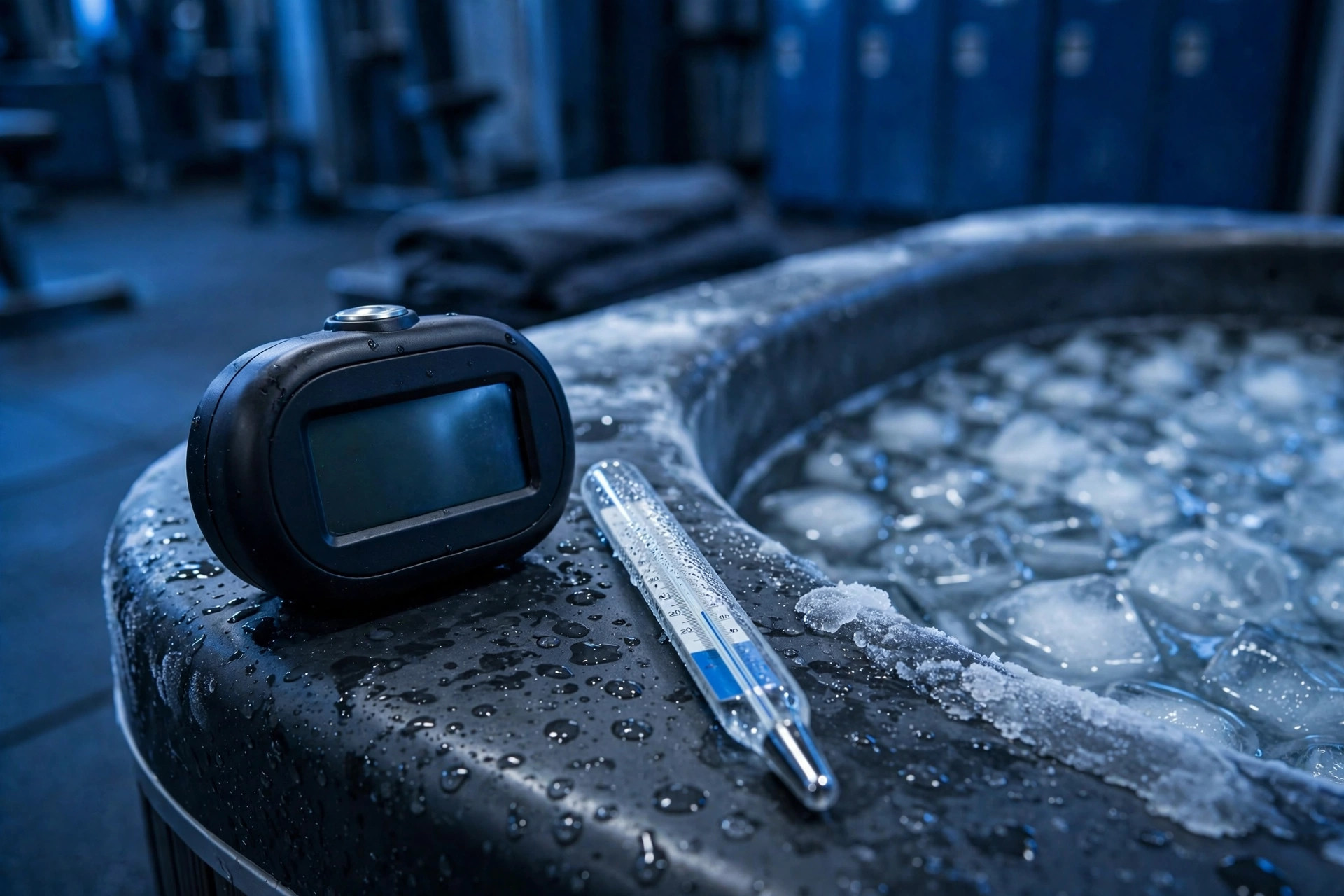
Certainly, ice bath: Fill the tub and add ice to reach 10 to 15°C, using a thermometer, because “as cold as possible” is not a protocol. New to it? Start with 5 to 8 minutes and work up. Keep hands and feet out if they go numb, never go alone the first few times, and get out if dizzy or nauseous.
Typically, cold shower: Shower warm first, then turn fully cold for the last 2 to 3 minutes, rotating to hit legs, back, and shoulders. Breathe slowly. The gasp reflex passes in about 30 seconds.
Indeed, who should be careful: people with heart conditions, high blood pressure, Raynaud’s, or cold urticaria should talk to a doctor first. The initial cold shock spikes heart rate and blood pressure. If you’re pushing too hard, watch for overtraining syndrome.
Finally, timing: If muscle growth is the priority, don’t ice bath immediately after every lifting session, wait at least 6 hours or save immersion for rest days. For recovery between endurance sessions, immersion within 30 minutes post-workout is standard.
This article is for informational purposes only and is not medical advice. Consult a healthcare professional before beginning cold immersion, especially with a cardiovascular condition.
Ice Bath vs Cold Shower FAQs
How cold should an ice bath be?
Research protocols use 10 to 15°C (50 to 59°F) for 10 to 15 minutes. Colder isn’t better: below 10°C the risks rise without clear added benefit.
Are cold showers good enough for post-workout recovery?
They help alertness and perceived freshness, but the evidence for meaningful muscle recovery is much weaker than for full immersion. Better than nothing, just don’t expect ice-bath-level effects.
Should I ice bath after every workout?
No. Reserve ice baths for genuinely hard sessions or heavy training blocks. Daily immersion after moderate workouts adds stress without much benefit, and may slightly blunt muscle growth if you lift.
Ice Bath vs Cold Shower: Final Thoughts
The ice bath vs cold shower for recovery question has no single winner, just the right tool for each job. Ice baths carry the stronger evidence for soreness after demanding efforts. Cold showers are the sustainable daily habit for alertness and freshness. Contrast showers sit comfortably between. Match the method to the moment, respect the safety basics, and remember: cold therapy supports recovery. It doesn’t replace sleep, nutrition, and smart training.
This article is for informational purposes only and is not medical advice. Consult a healthcare professional before starting cold water immersion, especially with any cardiovascular condition.