
I used to chug water like it was a personality trait — my entire hydration for athletes strategy. Big bottle. Always in my hand. Always full.
And yet, every summer training session ended the same way. Mile four and my legs felt like wet cement. Head pounding. Cramps biting my calves. I was doing the one thing everyone says to do. Drink water. So why did I feel like garbage?
Because hydration for athletes isn’t about how much water you drink. It’s about how much you lose and when you replace it. Two miserable race seasons taught me that. You’ll get it in five minutes.
What Hydration for Athletes Actually Means
Your body doesn’t run on water alone. It runs on water plus minerals, mostly sodium, potassium, and magnesium. Sweat isn’t just water leaving your body. It’s water plus those minerals.
Losing too much of either quietly wrecks your performance. It doesn’t hit all at once. It creeps up. Your pace slips. Your thinking gets foggy in the second half — symptoms that can also be warning signs of overtraining.
Research keeps finding the same thing. Lose just 2 percent of your body weight in sweat and your performance measurably drops. For a 150-pound person, that’s 3 pounds. One hard summer workout. So the real question isn’t “am I drinking enough?” It’s “am I replacing what I actually lost?”
Hydration for Athletes: How Much Water Do You Really Need?
Everyone wants a number. Here’s the honest version.
About four hours before training, drink roughly 5 to 7 milliliters of water per kilogram of body weight. For a 70-kilogram person, that’s one standard bottle. Then sip normally until you start.
During exercise, don’t let your loss go past 2 percent of your body weight. For sessions under an hour, drinking to thirst honestly works. Your body’s thirst signal handles short efforts fine. For longer or hotter sessions, take small regular sips instead of giant gulps.
Afterward comes the part most athletes skip. Drink about 1.5 liters for every kilogram you lost. Weigh yourself before and after a workout once and you’ll never guess again.
No scale at the gym? Use the pee test. Pale yellow means you’re on track. Dark yellow means you fell behind. Completely clear means you’re overdoing it.
When Plain Water Stops Being Enough
For sessions under an hour in normal weather, water is fine. Truly. But in longer efforts, heat, or heavy sweating, plain water becomes a liability.
You sweat out sodium and replace it with pure water, which dilutes the sodium in your blood. Keep that up and you get hyponatremia, dangerously low blood sodium. It’s what puts slower marathon runners in medical tents, and it’s why “just drink more water” can be dangerous advice in long races. The evidence is summarized in the NATA position statement on fluid replacement for athletes.
The fix is electrolytes. You lose roughly 800 to 1400 milligrams of sodium per liter of sweat. Potassium, magnesium, and calcium matter too, but sodium does the heavy lifting.
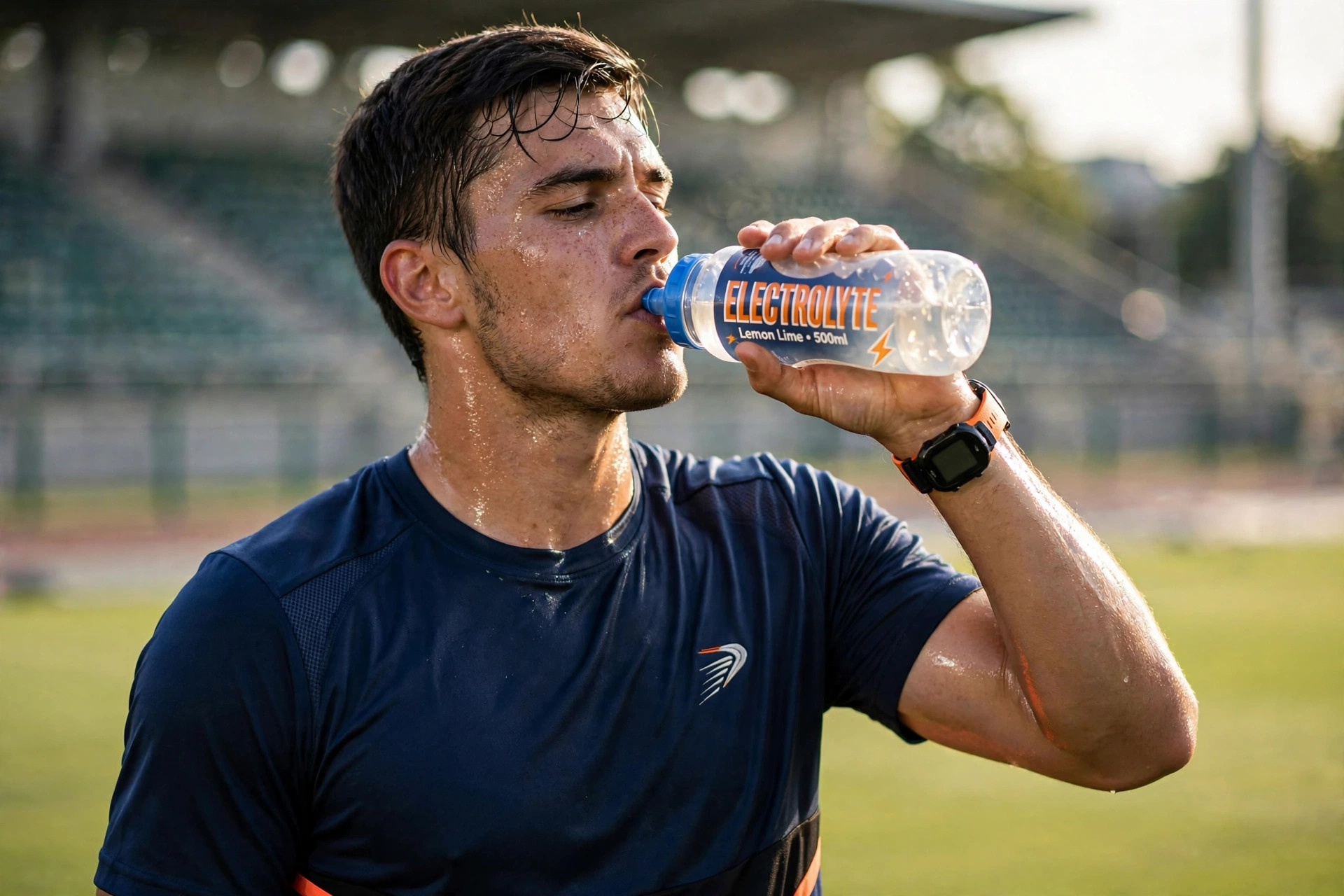
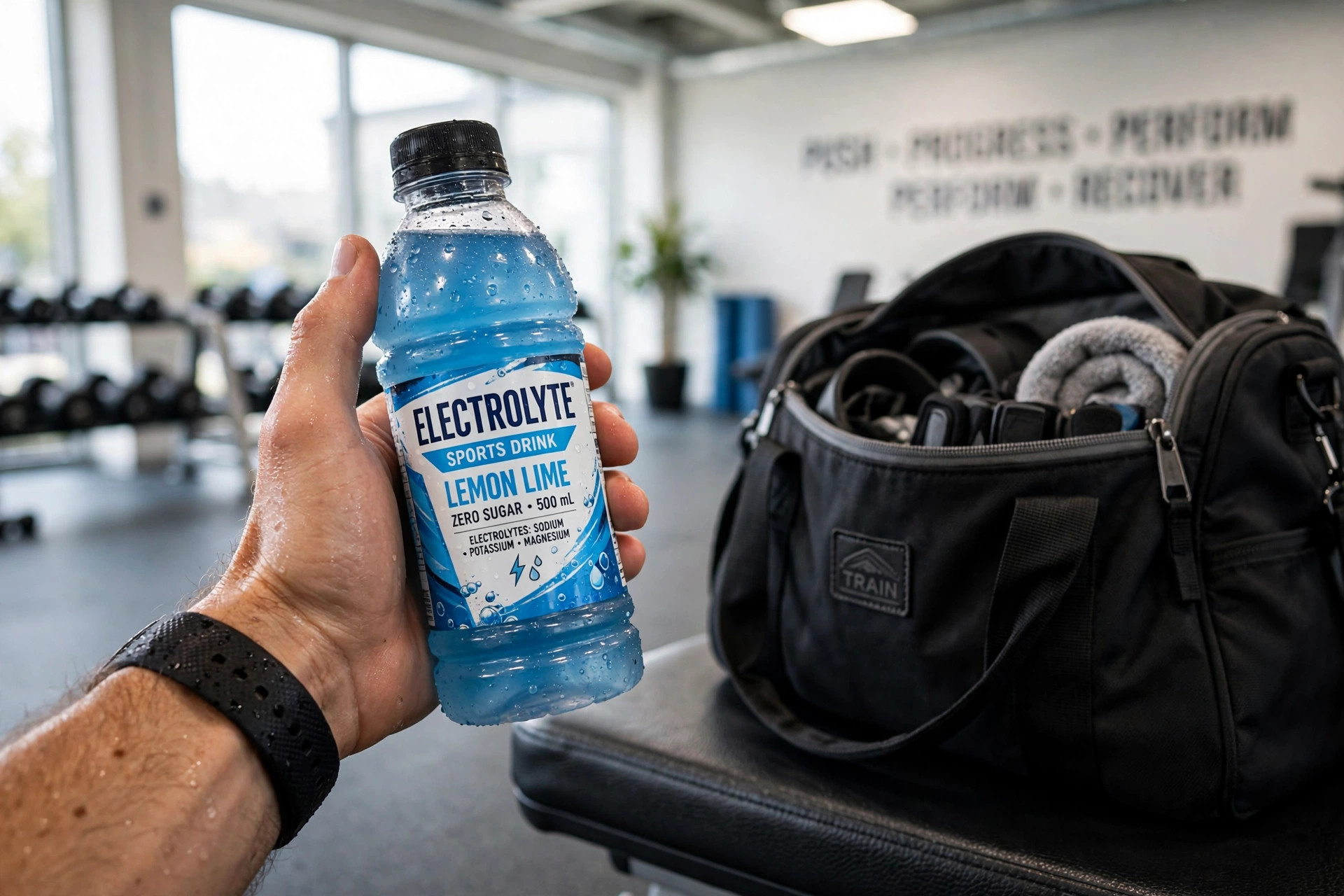
You don’t need a fancy product. For training over an hour, or any session where your shirt ends up stiff with salt, an electrolyte drink or a pinch of salt in your water makes a real difference. Most endurance athletes aim for around 300 to 600 milligrams of sodium per hour on long efforts. Experiment in training, never on race day.
Signs You Need Electrolytes, Not Just Water
Muscle cramps late in sessions. Headaches after training despite drinking plenty. Feeling puffy or nauseous from lots of water. White salt crusts on your clothes. That’s your electrolyte supply sitting on your shirt. I ignored the salt-crust thing for a whole season. Once I added electrolytes to long sessions, the late-session fade I’d blamed on fitness just stopped.
Your Game Day Hydration Timeline
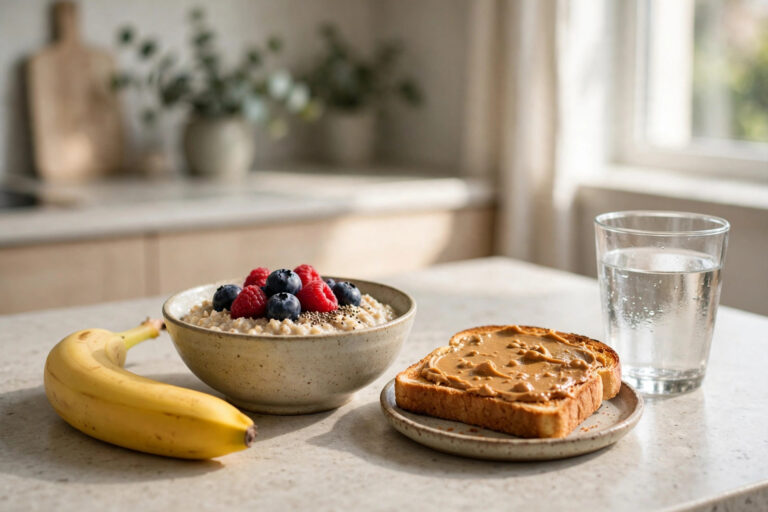
Before. Get that bottle in a few hours ahead, sip water in the hour before, and don’t neglect what to eat before a workout — fueling matters as much as fluids. Don’t chug a liter at the start line. You’ll just be hunting for a bathroom.
During. Sip early and often. Waiting until you’re thirsty in a long event means you’re already behind. Grab fluid at every aid station even when you feel fine.
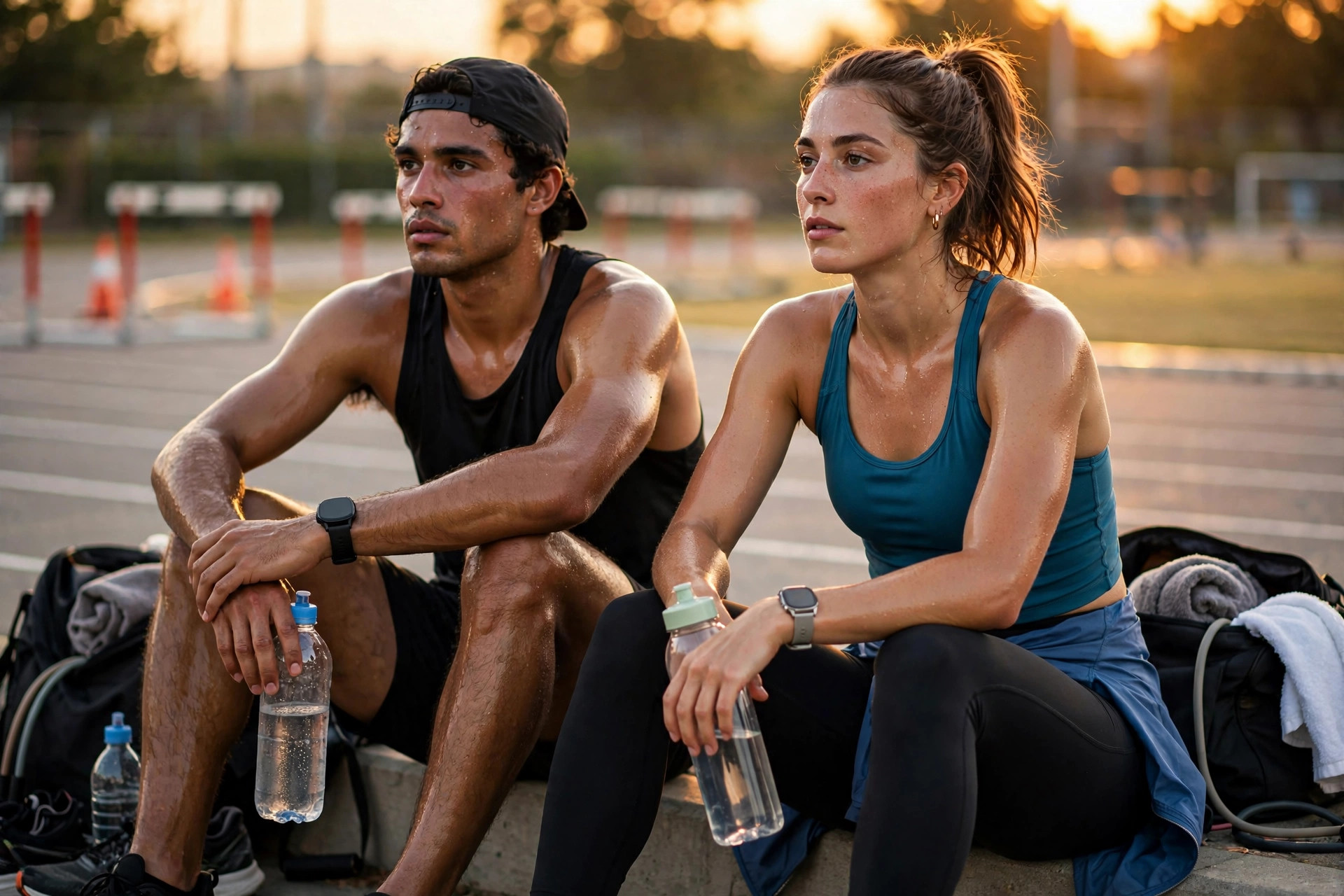
After. Training ends and you forget to drink. Rehydration is part of your post-workout recovery routine, not optional bonus work. Get that fluid in over the next few hours with some sodium from food or drink.
Hydration for Athletes: Mistakes Almost Every Athlete Makes
I’ve made all of these. Some twice.
Drinking only when thirsty during long events. Fine for a 45-minute gym session. Not fine for a three-hour ride in August. Thirst lags behind actual loss when things get long and hot.
Skipping electrolytes because sports drinks feel like marketing. Some are. But the mineral replacement is real science. A tablet, a powder, salted food with water. The delivery method barely matters.
Overdrinking. Drinking far beyond thirst during long events, especially plain water, dilutes your blood sodium. Slow marathoners are most at risk. More is not always better.
Forgetting that food is hydration too. Fruits, vegetables, soups, yogurt, rice. A good chunk of daily fluid comes from food. Athletes who eat well start every session ahead before touching a bottle.
FAQs
How do I know if I’m dehydrated during a workout?
Unusual fatigue, a dip in focus, your heart rate climbing at a normal pace. Later: headache, dizziness, dark urine, cramps. If you stop sweating in hot conditions, stop exercising and cool down. That’s a red flag, not toughness.
Can athletes drink too much water?
Yes. Overdrinking plain water during long events dilutes blood sodium and can cause exercise-associated hyponatremia, a medical emergency. Drink to thirst in shorter sessions and use a sensible plan with electrolytes for longer ones.
Are sports drinks better than water?
Depends on the session. Under an hour in mild conditions, water is all you need. For longer sessions, heat, or heavy sweaters, drinks with sodium and carbs outperform water. Any fluid plus sodium works, including tablets, salted snacks with water, or real food.
Conclusion: Make Hydration for Athletes Your Secret Weapon
Here’s what I wish someone had told me back when I was cramping through every summer workout. Hydration for athletes is a skill, not a habit. Habits are mindless. Skills get practiced and adjusted.
Start simple. Weigh yourself before and after one hard session. Watch your urine color. Add electrolytes when things get long or salty. Fix the after-training window you’re probably ignoring.
The athletes who stay consistent through brutal training blocks usually aren’t tougher than you. They’re just better hydrated.
This article is for general information only and isn’t medical advice. If you have a heart or kidney condition, or take medications affecting fluid balance, check with your doctor before changing your hydration strategy.