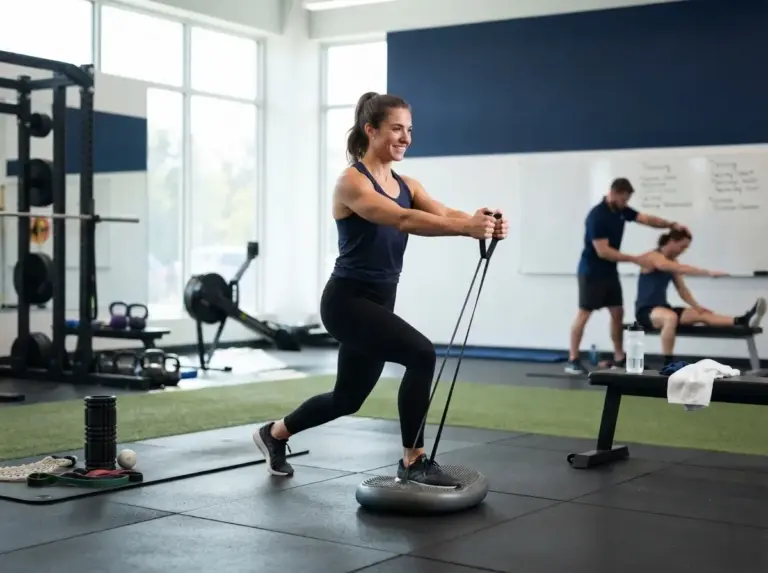
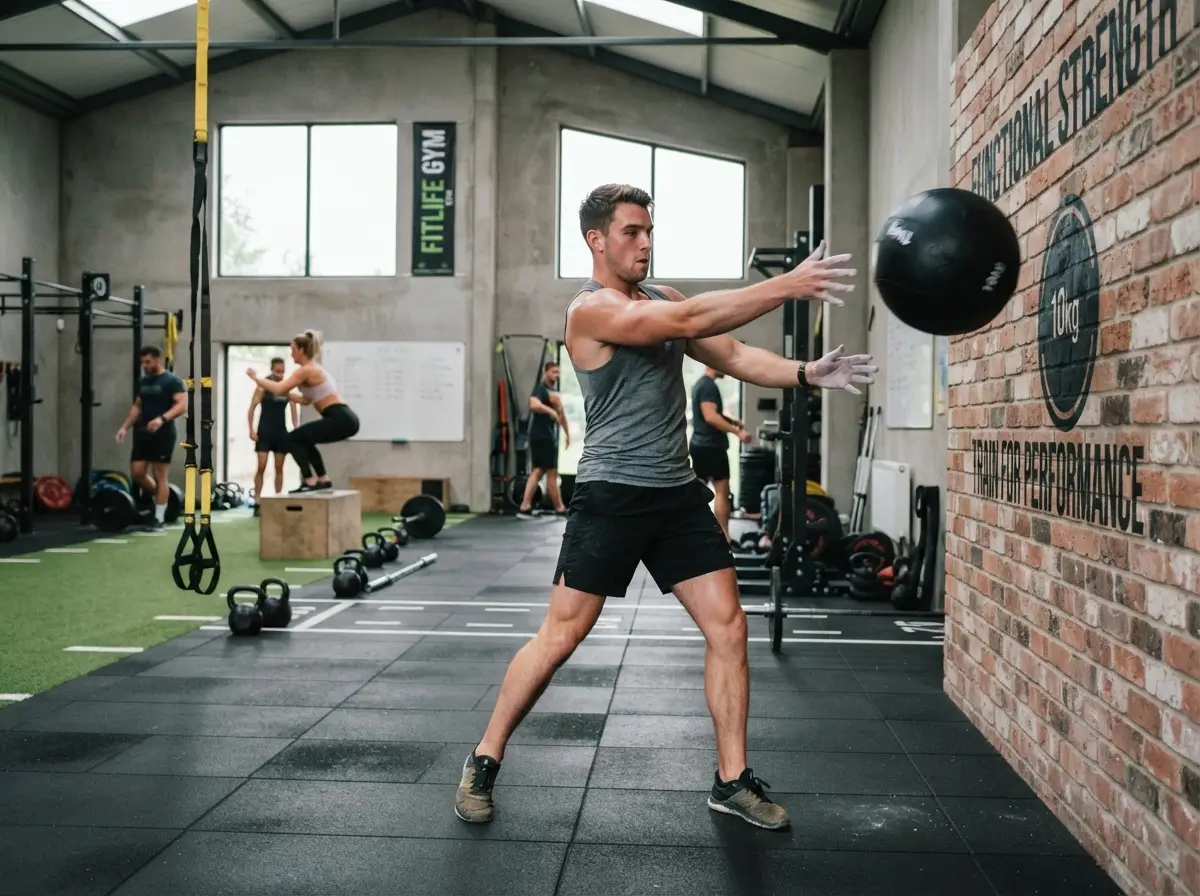

The topic of functional fitness among athletes is one of the most searched on the internet and a popular training method in recent years, and with good reason. In contrast to the classic exercise programs that work on isolated muscles, functional workouts target motion patterns, purposeful strength, and sporting performance in real life.
Sportsmen no longer need to appear powerful. They desire to move, play better, and remain without injuries. It is in this regard that functional fitness training fits in.
This article will dissect what functional fitness is, why athletes should care about it, the most important exercises, the benefits of functional fitness that have been supported by training science, and how an athlete can organize a functional fitness program to maximize their athletic output.
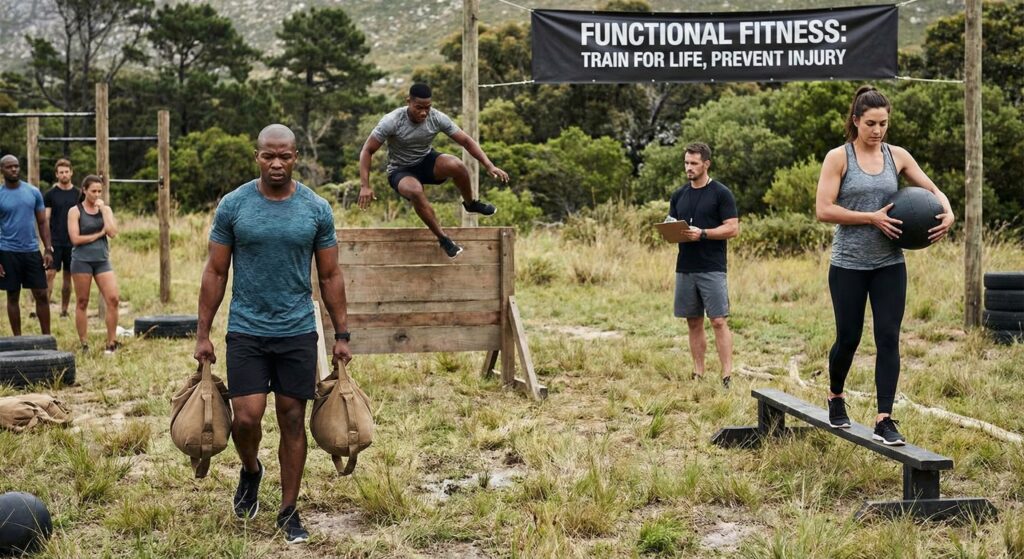
What Is Functional Fitness in Athletes?
Functional fitness is a form of training that emphasizes activities that replicate life and sport-specific motions. Functional workouts combine two or more muscles and joints, unlike when an individual is isolated to train a single muscle.
In the case of athletes, it does include training movements such as:
- Pushing
- Pulling
- Squatting
- Lunging
- Rotating
- Stabilizing
Such movements are directly matched with performance in sports like football, basketball, soccer, running, tennis, and combat sports.
The Importance of Functional Fitness to Athlete Performance.
Enhances Strength in Sports.
Functional fitness develops strength, which exercisers practically apply in the course of a competition. These actions, such as sprinting, jumping, throwing, and turning, necessitate a concerted action of muscles—not single strength.
Functional training is enhanced:
- Explosive power
- Balance and coordination
- Multi-directional movement
- Increases in mobility and agility.
A large number of athletic injuries are related to inadequate mobility or restriction in the range of motion. Functional fitness incorporates mobility training in strength training, which enhances:
- Joint health
- Muscle elasticity
- Movement efficiency
The improved mobility results in improved performance and a reduction of injuries.
Reduces Risk of Injury
Prevention of the injury is one of the greatest advantages of functional fitness among athletes.
It strengthens:
- Core stabilizers
- Tendons and ligaments
- Aid of muscles that would otherwise have been ignored during real exercises.
This results in the enhancement of joint stability and decreased strain during highly intensive movements.
The most important advantages of functional fitness for athletes are discussed.
- Ameliorates the overall coordination.
- Increases the strength and stability of the core.
- Boosts balance and agility
- Enhances sporting strength.
- Supports faster recovery
- Grows strong without being too fat.
Functional fitness assists the sportsman to move in an efficient manner and not a powerful one.
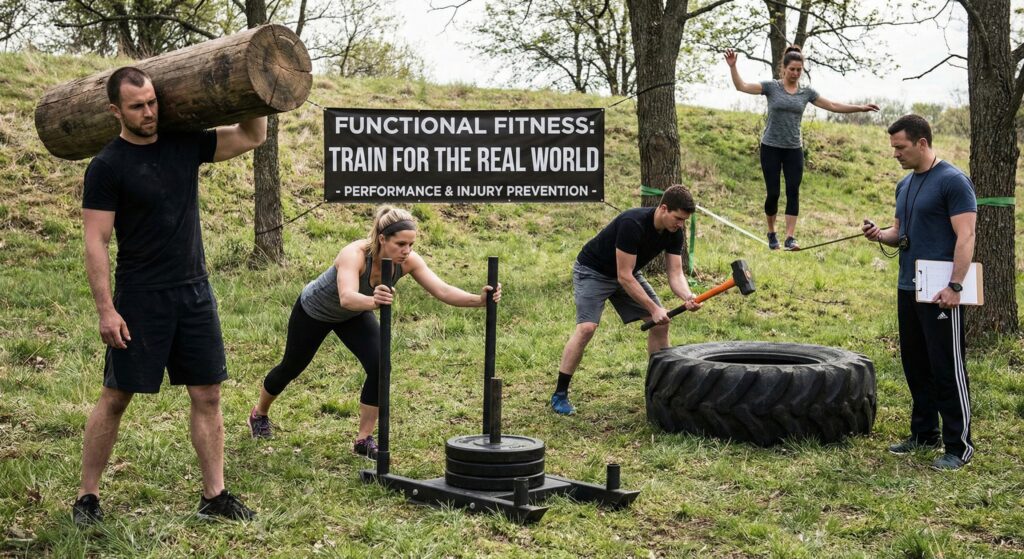
The basics of functional fitness training.
- Core Stability and Strength
- Athletic movement has its core. Functional fitness focuses on core work in
- almost all exercises.
Key benefits:
- Better posture
- Improved power transfer
- Reduced lower-back injuries
Examples:
- Planks
- Dead bugs
- Pallor presses
- Medicine ball rotations
- Multi-Joint Compound Movements.
Functional training is dependent on compound movements.
These exercises involve:
- Multiple joints
- Multiple muscle groups
- Practiced patterns of movement.
Examples:
- Squats
- Deadlifts
- Push-ups
- Pull-ups
- Lunges
Balance and Stability Training.
Athletes do not move on even surfaces when competing. The functional fitness assists the body in remaining stable when under stress.
Balance-focused exercises:
- Single-leg squats
- Stability ball movements
- Bosu ball drills
- Single-arm lifts
- Anti-Rotational and Rotational Training.
In such sports as baseball, tennis, golf, and martial arts, rotation is essential.
Functional training involves:
- Medicine ball throws
- Cable rotations
- Anti-rotation core holds
This enhances strength, authority, and back power.
Best fitness exercises to do as an athlete.
The following are some of the best functional movements that have been greatly encouraged in athlete training:
- Muscular Strength Exercises of the Lower Body.
- Goblet squats
- Bulgarian split squats
- Step-ups
- Kettlebell swings
Functional Exercises of the Upper Body.
- Push-ups (varied grips)
- Pull-ups and rows
- Overhead presses
- Landmine presses
- Full-body functional movements.
- Deadlifts
- Clean and press variations
- Medicine ball slams
- Farmer’s carries
In the case of athletes, functional fitness has a greater transfer to actual performance.
How to Design an Effective Fitness Program among Athletes?
- Training Frequency
- 3-5 sessions per week
- Change levels according to the sports season.
- Workout Structure
- Dynamic warm-up
- Mobility drills
- Functional movements of strength.
- Power and agility work
- Core training
- Cool-down and recovery
- Progression Strategy
- Add complexity to weight before adding weight.
- Prioritize form and control
- Apply tempo and unilateral exercises.
- Functional Fitness and Sport Conditioning.
The other type of training that enhances conditioning is functional training as it incorporates both strength and cardiovascular demand.
Benefits include:
- Improved stamina
- Increased breathing efficiency.
- Between efforts, faster recovery.
- This renders it suitable for high-performance sportsmen.
- The most prevalent errors that athletes commit with functional fitness.
- Skipping mobility work
- Excessive use of weights too often.
- Ignoring recovery
- Doing exercises that are not related to sports.
- Coaching and development are important.
Frequently Asked Questions (FAQs).
What does functional fitness mean to the athlete?
Functional fitness is a method of training that enhances patterns of movement, coordination, and strength in actual sport performance.
Which is superior, weight training or functional fitness, among athletes?
The two are useful, but in combination with strength training, functional fitness has more sport-specific advantages and injury prevention.
Is functional fitness training possible among beginners?
Yes. Functional fitness can also be scaled and adequately adjusted to beginners as long as the exercises are adjusted.
What is the frequency of functional fitness workouts among athletes?
The majority of sportsmen find it helpful to have 3-5 functional training sessions in a week, based on the needs of the sport.
Does functional fitness gain muscle?
Yes, it develops slim, efficient muscle and enhances power, balance, and movement.
Conclusion
Functional fitness among sportspeople is not just about a trend but about a training approach to performance. Functional fitness assists athletes in getting stronger, faster, more resilient, and less prone to injuries by working on the quality of movement, coordination, and real-world strength.
Both professional performers and recreational participants can use functional fitness to enhance performance and athletic health in the long run by incorporating it into their training plan.
Train for movement. Train for life. Train functionally.