
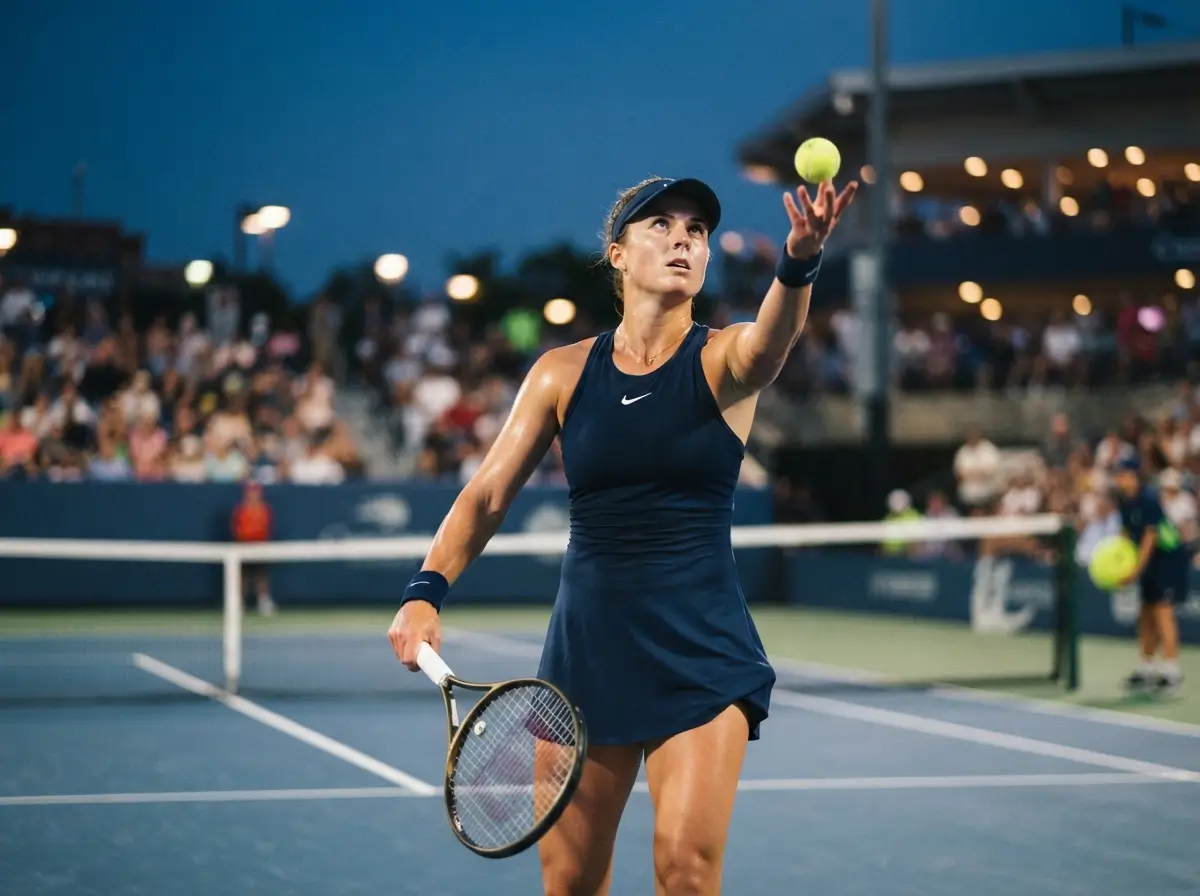

Body strength can always be maintained; however, the difference between a good player and a great player lies in mental toughness. This can be achieved by the use of sports psychology methods. Moreover, these methods will help a player keep all his senses straight, which will result in the highest-level performance. Finally, whether you are a player, a coach, or a mere onlooker, it’s essential to know sports psychology strategies.

Sports Psychology Basics
Sports psychology is concerned with how non-corporeal considerations impact sports performance. In addition, it assists athletes in adopting the mindset that is required for dealing with pressure and staying motivated, as well as controlling their emotions.
Now, the best sports psychology methods for optimal performance:
Goal Setting for Motivation and Direction
In fact, established goals help athletes know what to work towards.
Kinds of Goals
- Outcome goals: To win a game/medal
- Goals for performance: Increasing speed, accuracy, and strength
All of these goals can be classified as process goals because they focus on the present. In other words, process goals keep athletes focused on what they can control today.
Finally, some tips for effective goal setting:
Since goal setting
- Using the SMART criteria (Specific, Measurable, Achievable, Relevant, and
- Articulating long-term objectives into shorter-term actions
- Measure progress often
Visualization and Mental Imagery
Visualization is one of the most effective sports psychology tools. For example, visualization means picturing your success to achieve effective outcomes.
- How to Visualize Properly
- Imagine the movement in detail
- Involve all the senses (sight,
- Exercise daily for a few minutes
- Visualizing the defeat
Similarly, imagery is practiced by many elite athletes before competitions to boost confidence and alleviate nervousness.
Positive Self-Talk for Confidence
The way that athletes communicate with themselves influences their performance. As a result, changing that inner dialogue can directly change results on the field.
For instance, consider these examples of positive self-talk:
- “I am prepared”
- “I can do this.”
- “Stay calm and focused.”
Benefits
- Reduces fear and anxiety
- Enhances
- Overcomes doubts with confidence
Consequently, coaches also train athletes to replace negative self-talk with positive self-statements.
Techniques for Relaxation & Breathing
Stress, nerves, and pressure may impact performance. However, relaxation methods assist in keeping performers calm and composed.
- Popular Techniques
- Deep breathing exercises
- Progressive muscle relaxation
- Mindfulness
Moreover, these techniques assist with regulating emotions, reducing the heart rate, and concentrating during critical periods.
Focus and Concentration Training
For instance, sports performers call for super-focused attention to ignore distractions.
Furthermore, these methods enhance focus:
In this
- Attention control drills
- Pre-performance routines
- Focusing on controllable factors
- Using words like “steady,” “drive,” or “smooth” as
These methods assist the players in remaining tuned into the now and bouncing back from errors. They also assist players in remaining in the now and bouncing back. Consequently, athletes recover faster from mistakes.
Developing Resilience and Grit—The
In fact, mental toughness enables players to overcome failure, injury, and setbacks.
Building Resilience: Some Tips
- Take up
- Learn to gain from loss rather than fearing it.
- Practice emotional regulation
“Resilient athletes retain their discipline even in the face of slow progress.”
Arousal Control for Optimal Performance
Every sportsman has their own “optimal level of performance.” However, insufficient energy warrants sluggish action, and an excess pushes one to panic.
- Arousal Control Techniques
- Relaxation for relaxation
- Adrenaline-boosting routines for
- Listening to targeted music
- Pregame routines for managing excessive excitement
As a result, it helps to keep athletes at their optimal level of performance.
In addition, the advantages of employing sports psychology techniques:
In addition, the athletes who implement such measures are normally characterized by the following:
- Increased confidence
- Improved stress management
- Improved focus
- Enhanced consistency of
- More motivation
- Better progress after setbacks
Frequently Asked Questions (FAQs)
What are sports psychology techniques?
In other words, these are mental tools that can enhance focus, confidence, and motivation, as well as sports performance.
Can beginners apply principles of sports psychology?
Yes. In fact, these methods can be applied to any player, whether beginner or pro.
How frequently should the athlete practice visualization?
Typically, the best way to practice mental imagery is for 5-10 minutes daily.
Does sports psychology replace physical training?
No. In fact, complementing physical exercise, these tools improve mental preparation.
Sportsmen keep their cool in high-pressure situations.
For example, deep breathing, mindfulness, and positive self-talk are some of the techniques that can calm nervousness and help an individual focus on a competition.
Conclusion
Sports psychology techniques are absolutely invaluable tools that any athlete can utilize. In short, from visualizations to positive self-talk to setting goals and relaxation techniques, these are just a few of the ways that an athlete can develop the psychological foundation that is needed to be successful.
This article is for general informational purposes only and is not medical advice. If you have a health condition or concerns about sports psychology, talk to your doctor before changing your habits.